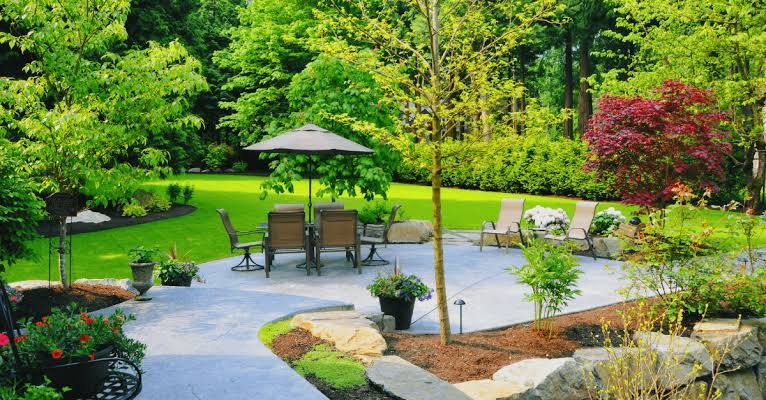
A beautiful backyard garden does not have to require hours of watering, pruning, mowing, and cleaning every week. With the right landscaping choices, you can create an attractive outdoor space that stays organized and enjoyable without demanding constant attention. Low-maintenance backyard gardens are especially useful for busy homeowners who want to enjoy nature but have limited time for gardening.
The secret to designing a low-maintenance backyard is choosing suitable plants, durable landscaping materials, practical garden layouts, and outdoor features that require minimal care. Instead of filling every corner with plants that need frequent attention, focus on a balanced design that combines evergreen shrubs, decorative stones, native plants, mulch, simple pathways, and comfortable seating areas.
Whether you have a small backyard or a large outdoor space, there are many ways to reduce gardening work while maintaining an attractive appearance. You can replace some lawn areas with gravel, install raised garden beds, use large decorative planters, or create beautiful flower borders with plants that suit your local climate.
In this guide, you will discover 15 low-maintenance backyard garden ideas that help busy homeowners create beautiful, practical, and relaxing outdoor spaces.
1. Create a Low-Maintenance Backyard with Decorative Gravel
Decorative gravel is one of the easiest ways to reduce backyard maintenance while creating a modern and organized appearance.
Traditional lawns require regular mowing, watering, edging, and seasonal care. Replacing selected lawn sections with decorative gravel can reduce these responsibilities significantly.
Gravel is available in different sizes, colors, and textures. You can choose light beige stones for a natural appearance, gray gravel for a contemporary design, or darker stones to create contrast with green plants.
Use gravel around garden pathways, seating areas, decorative planters, and outdoor features. You can also create a dedicated gravel garden with drought-tolerant plants.
For a balanced appearance, combine gravel with ornamental grasses, evergreen shrubs, and a few flowering plants.
Design tips:
- Choose gravel colors that complement your house.
- Install suitable edging to keep stones in place.
- Prepare the ground before spreading gravel.
- Use larger stepping stones for comfortable walking.
- Select plants that tolerate the local soil and climate.
Gravel landscaping is particularly useful for homeowners who want a neat garden without maintaining large lawn areas.
2. Plant Evergreen Shrubs for Year-Round Greenery
Evergreen shrubs are an excellent choice for a low-maintenance backyard because they provide greenery throughout the year.
Unlike many seasonal flowers, evergreen plants do not lose all their foliage during colder seasons. They help maintain garden structure and keep outdoor spaces looking attractive.
You can plant evergreen shrubs along fences, around patios, beside pathways, or in decorative garden borders.
Choose varieties that naturally maintain a manageable shape so you do not need to trim them frequently.
Before purchasing shrubs, check their mature height, width, watering requirements, and suitability for your local climate.
Design tips:
- Use shrubs with different leaf textures.
- Plant them along garden boundaries.
- Choose varieties suited to available sunlight.
- Leave enough space for mature growth.
- Apply mulch around the root area.
Evergreen shrubs provide a simple way to create a green backyard with relatively little seasonal maintenance.
3. Replace Large Lawn Areas with Low-Maintenance Ground Covers
Maintaining a traditional lawn can become time-consuming, especially when the backyard is large.
Ground-cover plants offer an alternative for selected areas where regular walking or playing is not necessary.
These plants spread across the soil and create a green surface that can reduce the need for mowing.
Depending on your climate, suitable options may include creeping thyme, certain sedums, mondo grass, and other locally adapted ground covers.
Different plants have different requirements, so select varieties according to sunlight, soil, moisture, and expected foot traffic.
Use ground covers around stepping stones, beneath suitable trees, and along garden borders.
Design tips:
- Select ground covers according to local growing conditions.
- Avoid using delicate varieties in heavily used pathways.
- Prepare the soil before planting.
- Space plants according to their spreading habits.
- Remove weeds while the planting area becomes established.
Ground covers can create a natural appearance while reducing the amount of lawn that requires regular care.
4. Design a Backyard with Mulched Garden Beds
Mulch is a practical landscaping material that can make backyard maintenance easier.
It helps reduce weed growth, protects soil from direct sunlight, and slows moisture evaporation.
Organic mulch options include shredded bark, composted wood chips, and suitable leaf material.
You can spread mulch around trees, shrubs, flowering plants, and raised garden beds.
For a modern appearance, create clearly defined planting beds with stone, metal, or brick edging.
Keep mulch away from direct contact with plant stems and tree trunks to avoid moisture-related problems.
Design tips:
- Use mulch suitable for the plants.
- Apply an appropriate layer without burying plant crowns.
- Refresh organic mulch when necessary.
- Keep planting beds clearly defined.
- Remove weeds before applying mulch.
Mulched beds create a tidy appearance and reduce the amount of time spent removing weeds and watering plants.
5. Install a Simple Stone Garden Pathway
A stone pathway can improve the appearance and functionality of a backyard without introducing complicated maintenance requirements.
Instead of allowing people to walk across planting beds or muddy lawn sections, create a defined route using stepping stones, concrete pavers, or natural stone.
A simple pathway can connect the house to a seating area, garden shed, flower bed, or outdoor dining space.
Choose durable materials that suit your garden style and local weather conditions.
For a natural appearance, arrange stepping stones through decorative gravel or suitable ground cover.
Make sure the stones are stable, level, and properly installed to reduce the risk of tripping.
Design tips:
- Use durable outdoor paving materials.
- Keep pathways wide enough for comfortable movement.
- Provide proper drainage.
- Choose non-slip surfaces.
- Keep the pathway free from overhanging plants.
A simple stone pathway creates structure and makes your backyard easier to use.
6. Choose Native Plants for Easier Garden Care
Native plants are often among the best choices for low-maintenance backyard landscaping.
These plants are naturally adapted to the environmental conditions of their region. Once established in suitable locations, many native varieties can require less additional watering and care than poorly adapted ornamental plants.
Native flowers, shrubs, grasses, and small trees can provide a beautiful garden while supporting local wildlife.
You can create a native planting border along the fence or dedicate an entire backyard section to locally suitable species.
Visit a reputable local nursery or consult regional gardening resources to identify appropriate plants.
Design tips:
- Choose plants naturally suited to your region.
- Combine different flowering seasons.
- Group plants with similar water requirements.
- Avoid invasive non-native varieties.
- Allow enough room for mature growth.
Native planting is a practical approach to creating a garden that works with local environmental conditions instead of constantly fighting against them.
7. Create a Low-Maintenance Backyard with Raised Garden Beds
Raised garden beds can make backyard gardening more organized and manageable.
They are especially useful for growing flowers, herbs, compact vegetables, and decorative plants in defined spaces.
You can build raised beds using treated timber suitable for garden use, stone, concrete blocks, or durable metal.
Choose a simple rectangular layout to create a modern appearance.
Fill the beds with suitable soil and compost, and select plants that have similar watering and sunlight requirements.
Installing a drip irrigation system can make watering more convenient.
Design tips:
- Use durable construction materials.
- Keep beds accessible from surrounding pathways.
- Avoid overcrowding plants.
- Add mulch to protect the soil.
- Consider automatic or drip irrigation.
Raised beds help reduce the need to manage scattered planting areas and make routine gardening tasks easier.
8. Add Large Decorative Planters Around the Backyard
Decorative planters provide an easy way to introduce greenery without creating permanent planting beds.
They are useful for patios, decks, pathways, entrances, and smaller outdoor spaces.
Choose large containers with simple designs and durable materials such as fiberglass, concrete, or weather-resistant ceramic.
Use them for evergreen shrubs, ornamental grasses, compact flowering plants, or small trees suitable for container growing.
One advantage of planters is that they can be rearranged when you want to change your garden layout.
However, container plants may dry out faster than plants growing in the ground, so choose appropriate pot sizes and watering arrangements.
Design tips:
- Select containers with drainage holes.
- Choose plants that tolerate container conditions.
- Use matching planters for a coordinated appearance.
- Avoid containers that are too small for mature plants.
- Place heavy planters where they will remain stable.
Large decorative planters create a neat backyard appearance without requiring extensive landscaping work.
9. Create a Minimalist Backyard Garden
Minimalist landscaping is an excellent choice for busy homeowners because it emphasizes simplicity and organization.
Instead of planting many different flowers and shrubs, choose a limited number of plants and materials.
A minimalist backyard might include a small lawn, a stone pathway, several evergreen shrubs, decorative gravel, and a comfortable seating area.
Use neutral colors such as gray, beige, white, and natural wood to create a calm outdoor environment.
The benefit of this design is that there are fewer individual features to maintain.
Design tips:
- Keep the layout simple.
- Use a limited plant selection.
- Avoid unnecessary decorations.
- Choose durable landscaping materials.
- Leave open spaces between garden features.
A minimalist backyard is ideal for people who want a modern garden that looks attractive without requiring constant attention.
10. Install a Drip Irrigation System
Watering plants can become one of the most time-consuming backyard gardening tasks.
A drip irrigation system can make this responsibility easier by delivering water directly to the root areas of plants.
It is useful for raised garden beds, shrubs, flower borders, and container gardens.
Compared with watering the entire garden by hand, drip irrigation can help reduce water waste when properly designed and maintained.
You can connect the system to a suitable water supply and use timers where appropriate.
Check the irrigation lines regularly to make sure water reaches every planting area.
Design tips:
- Group plants with similar watering needs.
- Use suitable emitters for different plants.
- Check for leaks and blocked outlets.
- Adjust watering according to weather.
- Avoid watering unnecessarily after rainfall.
An efficient irrigation system can save time and help maintain healthier plants.
11. Build a Comfortable Backyard Seating Area
A seating area makes your backyard more useful without requiring a large amount of garden maintenance.
Instead of filling the entire outdoor space with plants, create a dedicated relaxation area using weather-resistant furniture.
You can install a small patio with concrete pavers, natural stone, or wooden decking.
Add a comfortable bench, outdoor chairs, or a compact sofa.
Surround the seating area with a few large planters containing evergreen plants or ornamental grasses.
Choose furniture that is easy to clean and suitable for outdoor weather conditions.
Design tips:
- Select durable outdoor furniture.
- Use a stable and level surface.
- Keep plants away from frequently used walking routes.
- Add a shade umbrella if needed.
- Include simple outdoor lighting.
A comfortable seating area allows you to enjoy your garden without increasing the amount of work required to maintain it.
12. Use Artificial Grass in Selected Backyard Areas
Artificial grass can be a useful alternative to natural lawn in certain backyard situations.
It does not require mowing, fertilizing, or regular lawn reseeding.
It can be installed in small decorative areas, around outdoor seating spaces, or in locations where natural grass struggles to grow.
Modern artificial turf is available in different textures and colors, allowing homeowners to choose a style that suits their outdoor design.
However, artificial grass is not completely maintenance-free. It needs occasional cleaning, brushing, and inspection.
It can also become hot in direct sunlight and may affect rainwater infiltration depending on its installation.
Design tips:
- Choose a suitable product for outdoor conditions.
- Prepare a stable and well-drained base.
- Consider heat exposure.
- Clean the surface regularly.
- Use natural planting areas to balance the appearance.
Artificial grass is best used selectively rather than covering every part of the backyard.
13. Create a Low-Maintenance Rock Garden
A rock garden is a beautiful option for homeowners who prefer natural landscaping with fewer demanding plants.
It combines stones, gravel, and plants that are suited to well-drained soil conditions.
Choose rocks of different sizes and arrange them in natural-looking groups.
Add suitable drought-tolerant plants, ornamental grasses, and compact shrubs.
A rock garden can be placed along a fence, near a pathway, or in a section of the backyard that receives plenty of sunlight.
The key is to choose plants that can thrive in the conditions provided rather than selecting varieties that require frequent watering.
Design tips:
- Choose stones with complementary colors.
- Avoid overcrowding the planting areas.
- Select suitable drought-tolerant species.
- Provide proper drainage.
- Remove unwanted weeds regularly.
Rock gardens offer natural texture and can reduce the need for regular lawn maintenance.
14. Add Outdoor Lighting for a Beautiful Backyard
Outdoor lighting makes your garden more attractive and useful during the evening.
It also improves visibility around pathways, steps, seating areas, and entrances.
Solar garden lights are a convenient option in locations that receive sufficient sunlight.
You can use small pathway lights, decorative lanterns, or subtle spotlights to highlight trees and architectural features.
Choose outdoor-rated fixtures that can withstand the weather in your area.
Avoid installing too many lights because a simple lighting arrangement usually looks more attractive.
Design tips:
- Illuminate important pathways.
- Use warm lighting near seating areas.
- Highlight selected plants.
- Choose weather-resistant fixtures.
- Clean solar panels regularly.
A few carefully positioned lights can improve your backyard without adding significant gardening responsibilities.
15. Design a Backyard with Functional Outdoor Zones
A well-organized backyard is often easier to maintain than a space filled with unrelated features.
Dividing the garden into functional zones allows you to manage different areas more efficiently.
For example, you can create a seating area near the house, a small planting section along the fence, and a decorative gravel pathway connecting everything.
Use consistent materials throughout the garden to create a coordinated appearance.
Keep lawn areas limited to places where you actually need them.
A clearly planned layout also makes it easier to identify which plants require watering, pruning, or seasonal attention.
Design tips:
- Plan the garden before starting work.
- Give each section a clear purpose.
- Use durable materials.
- Keep pathways accessible.
- Avoid unnecessary planting areas.
Functional zoning creates a backyard that is attractive, practical, and easier to manage.
Best Plants for a Low-Maintenance Backyard Garden
Choosing the right plants is one of the most important parts of creating a low-maintenance garden.
The best varieties depend on your climate, soil, rainfall, and available sunlight.
Evergreen Shrubs
Evergreen shrubs provide year-round greenery and can be used for borders, privacy screens, and decorative planting beds.
Choose compact varieties that naturally maintain their shape.
Ornamental Grasses
Ornamental grasses introduce movement, texture, and height.
Many varieties require relatively little attention once established, although some need seasonal cutting.
Native Flowers
Native flowering plants can be well adapted to local growing conditions.
They may also support pollinators and other beneficial wildlife.
Drought-Tolerant Plants
Plants that tolerate dry conditions can be useful in gardens where water availability is limited.
Depending on your climate, suitable choices may include certain sedums, salvias, lavender, and locally adapted grasses.
Ground-Cover Plants
Ground covers can fill spaces between planting beds and help reduce exposed soil.
Choose varieties that match the amount of sunlight and moisture available.
How to Make Your Backyard Garden Easier to Maintain
Even a low-maintenance garden needs some care. However, a few practical decisions can reduce the amount of time required.
Choose the Right Plants from the Beginning
Before purchasing a plant, check its watering requirements, mature size, sunlight preferences, and pruning needs.
Avoid selecting plants simply because they look attractive at the nursery.
A plant that is unsuitable for your garden conditions may require constant attention.
Group Plants According to Water Requirements
Place plants with similar watering needs together.
This makes irrigation easier and prevents some plants from receiving too much or too little water.
Keep the Garden Layout Simple
Avoid creating too many small planting beds or complicated borders.
A simple layout with clearly defined sections is easier to clean and maintain.
Use Durable Materials
Choose outdoor materials that can withstand rain, sunlight, and changing temperatures.
Good-quality paving, suitable decking, and durable containers can reduce replacement and repair work.
Install Practical Garden Storage
A small storage cabinet or shed can keep gardening tools, hoses, and outdoor supplies organized.
Keeping tools in one location makes routine garden maintenance faster.
Common Mistakes to Avoid When Designing a Low-Maintenance Backyard
Some landscaping decisions may look attractive initially but create additional work later.
Avoid these common mistakes:
1. Choosing plants without checking their requirements
Different plants need different amounts of water, sunlight, and pruning. Select varieties that match your available time and growing conditions.
2. Planting too closely together
Crowded plants compete for light, water, and nutrients. They can also make pruning and cleaning more difficult.
3. Using too many small decorative features
Numerous ornaments, tiny planters, and scattered garden sections can make cleaning more time-consuming.
4. Ignoring drainage
Poor drainage can create standing water, damage plants, and affect pathways. Plan drainage before installing hard landscaping.
5. Selecting the wrong lawn alternative
Artificial grass, gravel, and ground covers each have advantages and disadvantages. Choose the option that suits your needs rather than assuming one material works everywhere.
6. Forgetting seasonal maintenance
Even evergreen plants and low-maintenance landscapes need occasional inspection, pruning, and cleaning.
7. Installing an irrigation system without checking it
Blocked emitters, leaks, and incorrect watering schedules can create unnecessary problems. Inspect the system regularly.
Frequently Asked Questions
1. What is the easiest backyard garden to maintain?
A simple garden with native plants, evergreen shrubs, decorative gravel, mulched planting beds, and limited lawn areas is generally easier to maintain than a garden filled with demanding seasonal flowers.
2. How can I make my backyard low-maintenance on a budget?
Start by reducing unnecessary lawn areas, adding mulch, choosing suitable native plants, and reusing existing landscaping materials. Complete improvements gradually.
3. What plants require the least maintenance?
The answer depends on your climate. Many native shrubs, suitable ornamental grasses, drought-tolerant plants, and established evergreen varieties can be relatively easy to maintain.
4. Is gravel better than grass for a backyard?
Gravel requires no mowing, but it needs occasional cleaning and weed management. Grass provides a softer surface for children and outdoor activities but generally requires more regular maintenance.
5. How can I reduce backyard watering?
Choose climate-appropriate plants, group them according to watering requirements, apply suitable mulch, and consider drip irrigation.
6. Are raised garden beds easy to maintain?
Yes. Raised beds can make gardening more organized and accessible. Their maintenance requirements depend on the plants, soil, and watering system used.
7. Is artificial grass completely maintenance-free?
No. Artificial grass does not require mowing or fertilizing, but it still needs occasional brushing, cleaning, and inspection.
8. How do I make a small backyard easy to maintain?
Use compact planting beds, decorative planters, a simple pathway, suitable ground covers, and a limited number of decorative features.
9. What is the best low-maintenance backyard landscaping material?
Gravel, natural stone, concrete pavers, and durable outdoor decking are useful materials. The best choice depends on the intended use, climate, budget, and drainage conditions.
10. How often should I maintain a low-maintenance garden?
Most gardens need occasional weekly checks during active growing seasons, with additional seasonal tasks such as pruning, cleaning, mulching, and inspecting irrigation systems.
Conclusion
A beautiful backyard garden does not need to become another demanding responsibility. By choosing suitable plants, using practical landscaping materials, and creating an organized layout, you can enjoy an attractive outdoor environment with less regular work.
The 15 low-maintenance backyard garden ideas in this guide offer practical ways to simplify outdoor care while keeping your garden welcoming and visually appealing. From decorative gravel and evergreen shrubs to raised beds, rock gardens, and comfortable seating areas, each idea can be adapted to different budgets and backyard sizes.
Start with the improvements that will make the biggest difference to your space. Choose plants that naturally suit your local conditions, reduce unnecessary lawn areas, and use durable materials that can withstand outdoor weather.
With thoughtful planning and occasional maintenance, your backyard can remain a beautiful, relaxing, and functional part of your home throughout the year.