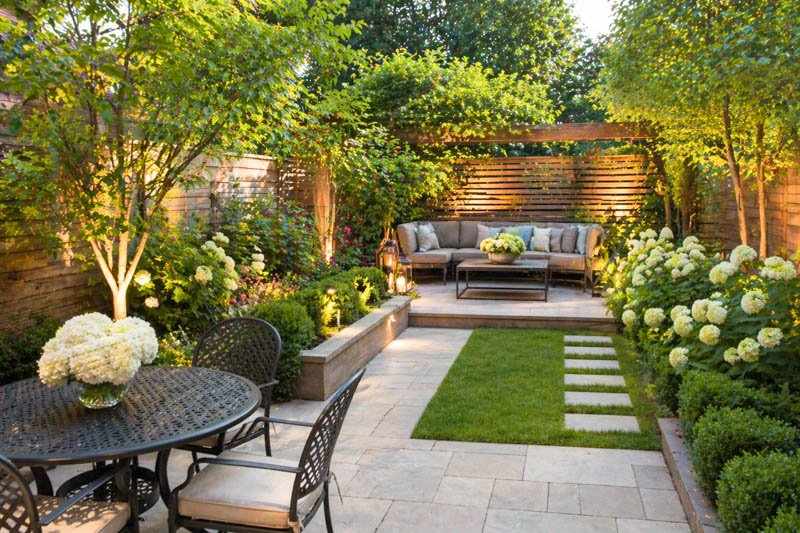
A beautiful backyard garden can make your home feel more welcoming, peaceful, and connected to nature. Combining colorful flowers with attractive green plants is one of the best ways to create an outdoor space that looks fresh and inviting throughout the year. Flowers add color and seasonal beauty, while green plants provide texture, structure, and a natural background that makes the entire garden feel balanced.
Whether you have a large backyard or a small outdoor space, you can create an attractive garden using different combinations of flowering plants, evergreen shrubs, ornamental grasses, climbing flowers, and decorative planters.
The key to designing a beautiful backyard garden is choosing plants that grow well in your local climate and arranging them according to their height, color, sunlight requirements, and watering needs. You can also combine natural materials such as stone, wood, gravel, and brick to create an organized landscaping design.
Some homeowners prefer colorful flower borders, while others enjoy peaceful green gardens with a few carefully placed flowering plants. Both approaches can produce beautiful results when the plants and landscaping features work together.
In this guide, you will discover 18 backyard garden ideas with flowers and green plants that can help transform your outdoor space into a colorful, relaxing, and attractive environment.
1. Create Colorful Flower Borders with Green Shrubs
Flower borders are a wonderful way to introduce color and natural beauty into a backyard garden. You can plant flowers along fences, pathways, lawn edges, or around outdoor seating areas.
The best way to create a balanced flower border is to combine colorful flowers with green shrubs and leafy plants.
For example, plant compact flowering varieties toward the front and medium-sized shrubs toward the back. This arrangement creates depth and allows different plants to remain visible.
Choose flowers with different blooming seasons so that your garden does not lose all its color at once.
Marigolds, zinnias, petunias, salvia, and suitable perennial flowers can create beautiful displays in sunny locations. For shaded sections, consider plants such as impatiens, begonias, and other varieties suited to lower light.
Evergreen shrubs can provide a green background throughout the year.
Design tips:
- Arrange taller plants toward the back.
- Use shorter flowers near pathways.
- Combine different leaf textures.
- Repeat selected flower colors throughout the garden.
- Leave enough room for plants to grow.
Colorful flower borders are ideal for homeowners who want a traditional yet attractive backyard garden.
2. Design a Beautiful Garden with Roses and Greenery
Roses are classic garden flowers that bring elegance, fragrance, and beautiful colors to outdoor spaces.
You can create a dedicated rose garden in your backyard or combine rose bushes with other flowering and green plants.
Choose rose varieties according to your climate, available sunlight, and garden space. Many roses grow best in locations that receive several hours of direct sunlight and have well-drained soil.
Plant roses along a fence, around a seating area, or in organized garden beds.
Surround them with suitable low-growing plants and green foliage to create a fuller appearance.
White, pink, red, yellow, and peach roses can all be used to create different garden styles.
Design tips:
- Choose disease-resistant rose varieties suitable for your region.
- Provide sufficient sunlight.
- Maintain good air circulation between bushes.
- Remove damaged or diseased growth.
- Use mulch to help maintain soil moisture.
A rose garden can become a beautiful focal point that makes your backyard feel romantic and welcoming.
3. Create a Tropical Backyard Garden with Large Green Leaves
A tropical-inspired backyard garden creates a lush environment with large leaves, rich greenery, and colorful flowers.
This style is especially attractive for homeowners who enjoy natural outdoor spaces that feel fresh and vibrant.
You can use plants such as suitable palms, ferns, banana plants, canna lilies, and other tropical-looking varieties according to your climate.
Arrange large-leaf plants toward the back and place smaller flowering plants near pathways and seating areas.
For extra color, introduce flowering plants that thrive in warm conditions.
Natural materials such as stone, wood, and gravel can complement the greenery.
If your area experiences cold winters, choose hardy alternatives or use containers for plants that need seasonal protection.
Design tips:
- Combine plants with different leaf sizes.
- Use flowering plants for seasonal color.
- Keep taller plants away from narrow pathways.
- Provide appropriate watering and drainage.
- Add a wooden bench or natural stone seating area.
Tropical landscaping is a great way to create a backyard that feels green, vibrant, and relaxing.
4. Add Raised Flower Beds with Decorative Green Plants
Raised flower beds provide an organized way to grow flowers and green plants in your backyard.
They can be constructed using wood, stone, concrete blocks, or decorative metal.
For a modern appearance, create rectangular beds along fences or around a central lawn.
Fill the beds with suitable soil and arrange plants according to their mature size.
You can combine flowering plants such as marigolds, petunias, and salvia with ornamental grasses and compact evergreen shrubs.
Raised beds also make gardening more accessible because they bring planting areas closer to a comfortable working height.
Design tips:
- Use durable materials for raised beds.
- Choose plants with similar growing requirements.
- Place taller greenery toward the back.
- Add mulch around plants.
- Install suitable irrigation if needed.
Raised flower beds create structure and make it easier to maintain colorful planting areas.
5. Design a Beautiful Backyard Pathway Surrounded by Flowers
A garden pathway surrounded by flowers and greenery can make an ordinary backyard feel like a beautiful outdoor retreat.
You can use natural stone, concrete stepping stones, brick, or decorative pavers to create a walkway.
Arrange flowering plants along both sides of the path to create a colorful border.
Low-growing plants and compact shrubs work especially well because they soften the edges without blocking the walking area.
For a natural appearance, allow selected plants to grow around the edges of stepping stones while keeping the walking surface clear.
Use flowers with different blooming periods to maintain seasonal interest.
Design tips:
- Choose durable, slip-resistant pathway materials.
- Keep plants away from the walking surface.
- Use repeated flower colors.
- Add small garden lights along the route.
- Maintain proper drainage.
A flower-lined pathway adds charm and creates a pleasant connection between different backyard areas.
6. Create a Cottage-Style Backyard Flower Garden
A cottage-style garden is perfect for homeowners who enjoy colorful flowers, natural arrangements, and a relaxed outdoor atmosphere.
Unlike highly structured modern gardens, cottage gardens often feature mixed flower borders, climbing plants, and layered greenery.
You can combine roses, daisies, lavender, hollyhocks, coneflowers, and other flowers suited to your region.
Add evergreen shrubs and leafy plants to create structure between flowering seasons.
A small wooden bench, decorative arch, or rustic pathway can complete the design.
Although cottage gardens look naturally arranged, they still benefit from thoughtful planning to prevent overcrowding.
Design tips:
- Combine different flower heights.
- Choose plants with overlapping blooming periods.
- Use natural stone or brick pathways.
- Add climbing plants to suitable supports.
- Leave enough space for maintenance.
A cottage-style garden creates a warm and charming backyard filled with flowers and greenery.
7. Use Large Decorative Planters with Colorful Flowers
Decorative planters are an easy way to add flowers and green plants without changing the entire backyard layout.
They are particularly useful for patios, decks, entrances, pathways, and small outdoor spaces.
Choose planters made from durable outdoor materials such as concrete, fiberglass, ceramic, or weather-resistant plastic.
Use different sizes to create visual interest.
You can grow flowering plants such as petunias, geraniums, marigolds, and suitable seasonal varieties.
Combine them with ornamental grasses or leafy foliage plants for a fuller appearance.
Arrange matching planters around seating areas or place individual containers at important garden corners.
Design tips:
- Choose containers with drainage holes.
- Use suitable potting mix.
- Combine plants with similar watering needs.
- Match planter colors with your outdoor furniture.
- Remove faded flowers when appropriate.
Decorative planters are a practical way to create colorful garden displays with flexibility.
8. Create a Backyard Garden with Climbing Flowers
Climbing flowers are useful for adding vertical beauty to fences, walls, pergolas, and garden arches.
They can transform plain structures into attractive green features while helping you make better use of available space.
Suitable choices may include climbing roses, clematis, jasmine, and other locally adapted climbing varieties.
Install a strong trellis or garden support before planting.
Some climbing plants need regular training and pruning, so choose varieties according to how much maintenance you can provide.
You can combine climbing flowers with evergreen shrubs and smaller flowering plants at ground level.
Design tips:
- Use strong and weather-resistant supports.
- Choose plants suited to your climate.
- Provide enough room for mature growth.
- Train climbing stems carefully.
- Keep plants away from gutters and unwanted structures.
Climbing flowers can make a backyard feel more layered, colorful, and visually interesting.
9. Design a Small Backyard Flower Garden with Green Plants
A small backyard can still become a beautiful garden when every section is used carefully.
Instead of filling the entire space with large plants, choose compact flowers, small shrubs, and attractive foliage plants.
Use narrow planting beds along walls and fences to preserve the central walking area.
Vertical planters and hanging baskets can introduce additional flowers without taking up valuable ground space.
Choose a limited color palette to prevent the small garden from feeling crowded.
White flowers combined with green foliage can create a calm appearance, while pink and yellow flowers can introduce a cheerful atmosphere.
Design tips:
- Use compact plant varieties.
- Grow plants vertically where suitable.
- Keep pathways clear.
- Choose a coordinated color palette.
- Use containers to create flexible planting areas.
A carefully planned small flower garden can feel beautiful and spacious without requiring a large backyard.
10. Add a Green Lawn Surrounded by Colorful Flower Beds
A green lawn surrounded by flower beds creates a classic and balanced backyard landscape.
The lawn provides an open central area, while the flower borders add color and visual interest.
You can create curved or straight planting beds around the edges depending on your preferred garden style.
Choose flowering plants that complement one another and bloom during different parts of the year.
Add a few evergreen shrubs to maintain structure when seasonal flowers are not blooming.
Make sure the lawn receives enough sunlight and has appropriate drainage.
Design tips:
- Keep flower beds clearly separated from grass.
- Choose plants suitable for the local climate.
- Repeat selected flower colors.
- Maintain neat lawn edges.
- Avoid planting large shrubs too close together.
This design works especially well for medium and large backyards with enough room for an open lawn.
11. Create a Peaceful Backyard Garden with White Flowers and Greenery
White flowers combined with green foliage can create an elegant and peaceful outdoor environment.
This combination works particularly well in modern, minimalist, and cottage-style gardens.
You can use suitable white roses, daisies, petunias, jasmine, and other white-flowering plants.
Add evergreen shrubs, ornamental grasses, and leafy plants to create contrast.
Natural materials such as light-colored stone, wooden furniture, and gravel can complement the planting design.
A small bench or comfortable seating area can make the garden even more inviting.
Design tips:
- Use different shades and textures of green.
- Combine flowers with different blooming seasons.
- Choose plants suited to your sunlight conditions.
- Use light-colored garden materials.
- Avoid overcrowding the planting beds.
A white-and-green garden creates a fresh appearance that feels clean, calm, and welcoming.
12. Build a Backyard Garden Around a Decorative Water Feature
A water feature can become an attractive centerpiece in a backyard flower garden.
You can install a small fountain, decorative water bowl, or compact pond surrounded by colorful flowers and leafy plants.
Place the feature where it can be enjoyed from the seating area or viewed through a nearby window.
Surround it with suitable flowering plants, ornamental grasses, and natural stones.
Choose plants according to the moisture and sunlight conditions around the feature.
A recirculating fountain can help maintain water movement, but it still requires occasional cleaning and inspection.
Design tips:
- Select a water feature appropriate for your garden size.
- Surround it with suitable greenery.
- Use natural stone for a balanced appearance.
- Keep electrical components safely installed.
- Maintain clean and healthy water.
A small water feature adds movement and creates a relaxing focal point among flowers and green plants.
13. Design a Backyard Garden with Flowering Shrubs
Flowering shrubs are an excellent way to introduce color and structure into backyard landscaping.
Unlike many small seasonal flowers, established shrubs can create substantial planting features.
Depending on your climate, suitable choices may include hydrangeas, hibiscus, gardenias, spirea, and other locally adapted flowering shrubs.
Plant them along garden boundaries, near fences, or around seating areas.
Combine flowering shrubs with evergreen varieties to maintain greenery throughout different seasons.
Before planting, check the expected mature size and pruning requirements.
Design tips:
- Choose shrubs suited to your climate.
- Combine different flowering seasons.
- Allow sufficient space between plants.
- Use mulch around the root area.
- Avoid excessive pruning.
Flowering shrubs provide a beautiful combination of colorful blooms and long-lasting garden structure.
14. Create a Vertical Flower Garden on a Backyard Wall
A vertical flower garden is a creative solution for homeowners who have limited ground space.
You can install wall-mounted containers, planting pockets, trellises, or specially designed vertical garden systems.
Use compact flowering plants and suitable foliage varieties that can grow successfully in containers.
A vertical garden can brighten a plain wall, fence, or outdoor seating corner.
Choose a location with suitable sunlight and make sure the structure has proper drainage.
Protect the wall from excessive moisture and use a support system strong enough to carry the weight of plants, soil, and water.
Design tips:
- Use a strong vertical structure.
- Choose plants suitable for container growing.
- Group plants with similar watering needs.
- Provide easy access for maintenance.
- Use different flower colors for visual interest.
Vertical flower gardens add greenery and color while making better use of small backyard spaces.
15. Plant Seasonal Flowers for Year-Round Backyard Beauty
A garden with seasonal flowers can remain colorful throughout the year when planting is planned carefully.
Instead of growing only one type of flower, choose plants that bloom during different seasons.
Spring flowers may include suitable tulips, pansies, and other cool-season varieties.
Summer gardens can feature zinnias, marigolds, petunias, and heat-tolerant flowers.
Autumn displays can include chrysanthemums and other locally suitable seasonal plants.
In winter, evergreen shrubs and hardy flowering plants can help maintain visual interest.
The exact planting calendar depends on your region’s climate and seasonal temperatures.
Design tips:
- Plan flowering periods before planting.
- Combine annuals and perennials.
- Use evergreen plants between flowering seasons.
- Select varieties suitable for local temperatures.
- Remove damaged plant material when needed.
Seasonal planting creates a garden that changes naturally throughout the year.
16. Combine Ornamental Grasses with Colorful Flowers
Ornamental grasses are excellent companion plants for colorful flower gardens.
They introduce movement, texture, and height while creating a natural background for flowering plants.
You can plant ornamental grasses along pathways, around patios, and between flower borders.
Combine them with suitable varieties of salvia, coneflowers, daisies, and other flowers.
Choose grasses according to their mature height and spreading habits.
Some ornamental grasses are drought-tolerant once established, while others need regular moisture.
Design tips:
- Combine grasses with different flower shapes.
- Use taller varieties as background plants.
- Choose non-invasive species.
- Allow enough room for growth.
- Cut back grasses according to their seasonal requirements.
The contrast between soft grasses and colorful flowers creates a modern yet natural garden appearance.
17. Create a Backyard Butterfly and Pollinator Garden
A butterfly and pollinator garden brings natural activity and seasonal beauty to your backyard.
It uses flowering plants that provide nectar and pollen for butterflies, bees, and other beneficial insects.
Choose a variety of flowers that bloom at different times so that food sources remain available across multiple seasons.
Depending on your region, suitable plants may include native salvias, coneflowers, zinnias, milkweed species, and other locally appropriate flowers.
Add green shrubs and grasses to provide additional shelter and structure.
Avoid unnecessary pesticide use and provide a shallow, safe water source if appropriate.
Design tips:
- Select native flowering plants where possible.
- Provide flowers across different seasons.
- Group similar flowering plants together.
- Avoid pesticides that harm pollinators.
- Include suitable shelter and water sources.
A pollinator garden makes your backyard more lively while supporting local biodiversity.
18. Design a Complete Backyard Garden with Flowers, Green Plants, and Seating
One of the best ways to combine flowers and greenery is to create a complete backyard garden with separate areas for relaxing, walking, and planting.
Start by choosing a comfortable seating location.
Create flower borders along the edges and use evergreen shrubs to provide structure.
Add a stone pathway connecting the seating area to the rest of the garden.
Use decorative planters near the entrance or patio to introduce additional greenery.
You can also include a small lawn or gravel section depending on your available space.
Keep the design consistent by repeating selected materials and plant colors throughout the backyard.
Design tips:
- Plan the layout before purchasing plants.
- Keep seating areas comfortable and accessible.
- Use flowers to define garden boundaries.
- Combine evergreen plants with seasonal blooms.
- Include practical pathways and drainage.
A complete garden design creates a welcoming outdoor environment where flowers, greenery, and functional features work together.
How to Choose the Best Flowers and Green Plants for Your Backyard
Choosing suitable plants is essential for creating a healthy and attractive garden.
A plant that looks beautiful in a nursery may struggle if your backyard does not provide the correct growing conditions.
1. Understand Your Climate
Start by identifying the temperature and rainfall conditions in your region.
Some flowers grow best in cool weather, while others thrive during warm seasons.
Choose plants that can tolerate your area’s seasonal conditions.
2. Check Sunlight Requirements
Observe how much sunlight each section of your backyard receives.
Full-sun plants generally need several hours of direct sunlight, while shade-tolerant plants grow better in locations with limited direct exposure.
Avoid planting sun-loving flowers in deeply shaded areas.
3. Choose Plants According to Soil Conditions
Different plants prefer different soil types.
Some grow well in rich, moisture-retaining soil, while others prefer sandy or well-drained conditions.
Improve garden soil with suitable compost and organic matter when needed.
4. Combine Different Plant Heights
A garden looks more attractive when plants are arranged in layers.
Place tall plants at the back, medium-sized plants in the middle, and compact flowers toward the front.
This arrangement creates depth and prevents shorter plants from being hidden.
5. Select Flowers with Different Blooming Periods
Choose flowering plants that bloom at different times of the year.
This helps maintain color throughout the growing seasons.
Evergreen shrubs and foliage plants can provide additional structure between flowering periods.
Best Color Combinations for Backyard Flower Gardens
Color selection can influence the entire appearance of your backyard.
Choosing a coordinated palette makes the garden look more organized and attractive.
White and Green
White flowers combined with green foliage create a calm, elegant, and timeless appearance.
This combination is especially useful for minimalist and modern garden designs.
Pink and Purple
Pink and purple flowers create a soft, romantic atmosphere.
They work beautifully in cottage-style gardens and mixed flower borders.
Yellow and Orange
Yellow and orange flowers create a cheerful and energetic garden.
These colors are particularly attractive in sunny outdoor spaces.
Red and White
Red and white flowers create strong visual contrast.
Use them in selected planting areas to create attractive focal points.
Blue and Purple
Blue and purple flowers create a peaceful and natural appearance.
They can be combined with silver-green foliage and ornamental grasses.
How to Maintain a Beautiful Backyard Flower Garden
A healthy flower garden needs regular care, but simple gardening practices can make maintenance easier.
Water Plants According to Their Needs
Different plants require different amounts of water.
Check soil moisture before watering and avoid keeping the roots constantly saturated.
Watering early in the morning can help reduce unnecessary moisture loss.
Remove Faded Flowers
Some flowering plants benefit from deadheading, which means removing faded blooms.
This can improve the appearance of the plant and encourage additional flowering in certain varieties.
Apply Suitable Mulch
Mulch helps reduce weeds, maintain soil moisture, and protect the soil surface.
Use appropriate organic materials around flowers and shrubs.
Prune Plants Carefully
Remove dead, damaged, or diseased branches when necessary.
Follow the correct pruning time for each plant because some flowers bloom on old wood while others flower on new growth.
Monitor for Pests and Diseases
Inspect leaves, stems, and flowers regularly.
Identify problems early and use appropriate plant-care methods.
Avoid applying pesticides unnecessarily, especially when flowers are attracting pollinators.
Common Mistakes to Avoid in Backyard Flower Gardens
1. Planting too many different flowers
Too many unrelated colors and shapes can make the garden look crowded. Choose a coordinated selection of plants.
2. Ignoring plant spacing
Overcrowded flowers compete for sunlight, nutrients, and water. Follow recommended spacing guidelines.
3. Choosing unsuitable plants
Always check sunlight, soil, and temperature requirements before planting.
4. Forgetting year-round greenery
Seasonal flowers may disappear during certain months. Add evergreen shrubs and foliage plants to maintain structure.
5. Overwatering the garden
Excessive watering can cause root problems and encourage fungal diseases. Water according to plant requirements.
6. Ignoring drainage
Poor drainage can damage flower beds and create standing water. Improve soil structure and plan garden drainage properly.
7. Blocking pathways with plants
Keep flowers and shrubs away from frequently used walking routes.
Frequently Asked Questions
1. How can I make my backyard garden colorful?
Combine flowering plants with evergreen shrubs, ornamental grasses, and decorative foliage. Choose flowers with different blooming seasons to maintain color throughout the year.
2. Which flowers are best for backyard gardens?
Marigolds, zinnias, petunias, roses, salvia, daisies, and suitable perennial varieties are popular choices. The best options depend on your climate and growing conditions.
3. What green plants look beautiful with flowers?
Evergreen shrubs, ferns, ornamental grasses, hostas, and suitable foliage plants can complement colorful flowers.
4. How do I create a beautiful flower garden in a small backyard?
Use compact flowers, raised beds, vertical planters, and narrow planting borders. Keep the central area open and choose a limited color palette.
5. How can I keep flowers blooming throughout the year?
Choose plants with different flowering seasons and combine annuals, perennials, and evergreen shrubs.
6. What is the best way to arrange flowers in a backyard?
Place taller plants at the back, medium-sized plants in the middle, and shorter varieties toward the front. Group plants with similar growing requirements.
7. Are flower gardens difficult to maintain?
Maintenance depends on the plants you choose. Native flowers, suitable perennials, and well-adapted shrubs can help reduce regular gardening work.
8. How much sunlight do backyard flowers need?
Sunlight requirements vary. Some flowers need several hours of direct sunlight, while others grow well in partial shade. Check individual plant requirements before planting.
9. Can I combine vegetables, flowers, and green plants?
Yes. You can combine suitable herbs, vegetables, flowers, and ornamental plants in separate raised beds or organized planting sections.
10. How can I make my backyard flower garden look modern?
Use clean planting borders, matching planters, natural stone pathways, coordinated flower colors, and simple outdoor furniture.
Conclusion
A backyard garden filled with flowers and green plants can transform your outdoor space into a beautiful and relaxing environment. Whether you prefer colorful flower borders, tropical greenery, climbing flowers, raised beds, or a peaceful white-and-green garden, there are many ways to create an attractive landscape.
The 18 ideas in this guide offer inspiration for different backyard sizes, gardening styles, and budgets. You can combine several ideas to create a garden that reflects your preferences while remaining practical and easy to maintain.
Start by understanding your local climate, choosing suitable plants, and planning where flowers and greenery will grow best. Use a combination of flowering plants, evergreen shrubs, natural materials, and comfortable outdoor features to create a balanced design.
With thoughtful plant selection and regular care, your backyard can become a colorful outdoor retreat that brings natural beauty and enjoyment to your home throughout the year.