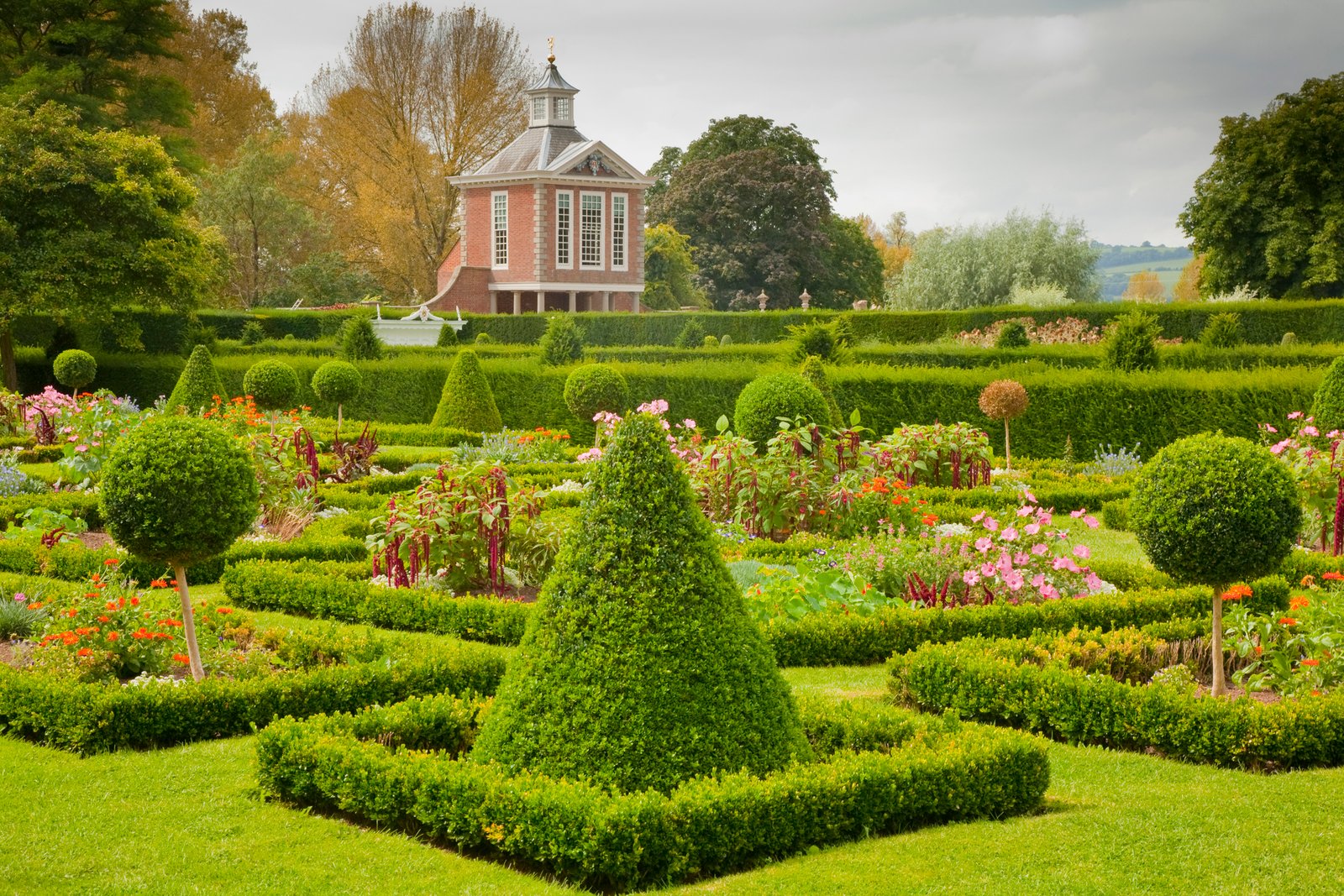
A beautiful front yard does not always need expensive decorations, complicated landscaping, or a large collection of colorful flowers. Sometimes, a simple combination of natural stones and healthy greenery is enough to create an attractive outdoor space. Stones add texture, structure, and a clean appearance, while green plants bring freshness and natural beauty to the entrance of a home.
Front yard garden designs with stones and greenery are suitable for many types of properties. They can make a small entrance look organized, improve the appearance of a modern house, and create a natural setting around traditional homes. Another advantage is that many stone-based garden designs require less maintenance than large areas of grass or seasonal flowers.
You can use decorative gravel, river rocks, natural boulders, stepping stones, stone borders, evergreen shrubs, ornamental grasses, and ground-cover plants to create different landscaping styles. The key is to combine these materials carefully so the front yard looks balanced rather than overcrowded.
Before starting, consider the size of your garden, the amount of sunlight it receives, the type of soil, and the plants that grow well in your climate. A thoughtful layout will help you create a front yard that remains attractive and practical throughout the year.
Here are 15 simple front yard garden designs using stones and greenery that can improve the appearance of your home entrance.
1. Decorative Gravel Garden with Evergreen Shrubs
A decorative gravel garden is one of the simplest ways to create a neat and modern front yard. Instead of covering the entire area with grass, use gravel as the main ground covering and add evergreen shrubs for natural color.
<AsyncImage query=”modern front yard decorative gravel garden with evergreen shrubs landscaping” aspectRatio=”16:9″ />
Choose gravel in a color that complements your home’s exterior. Light gray, beige, and natural white gravel can create a bright appearance, while darker stones provide contrast against green foliage.
Place evergreen shrubs at carefully selected points throughout the garden. Compact boxwood, suitable junipers, and other locally adapted evergreen varieties can provide structure and maintain greenery during different seasons.
You can also add small groups of ornamental grasses to introduce movement and different textures. Keep enough space between plants so they can grow without becoming overcrowded.
Before spreading gravel, prepare the ground properly and consider installing a suitable landscape fabric where appropriate. Make sure the soil can still drain water effectively and that plant roots have access to the growing conditions they need.
This design is especially useful for homeowners who want an organized front yard with fewer large planting areas.
2. Natural River Stone Garden with Green Plants
River stones have smooth surfaces and natural colors that create a relaxed outdoor appearance. They are available in different sizes and shades, making them useful for simple front yard landscaping.
<AsyncImage query=”front yard river stone garden with green plants and natural landscaping” aspectRatio=”16:9″ />
Create a small planting area near the entrance, beside a walkway, or along the front wall of your house. Cover the open ground with river stones and arrange green plants in small groups.
Choose plants that suit the sunlight and moisture conditions of the location. Small evergreen shrubs, ornamental grasses, and suitable ground-cover varieties can work well with river stones.
For a natural design, use stones in a mixture of sizes rather than selecting pieces that are all identical. Larger stones can act as focal points, while smaller stones fill the spaces around them.
Avoid placing stones too close to plant stems. Leave open areas around the base of plants so water can reach the soil and the roots can develop properly.
River stones are particularly attractive beside modern houses, natural stone walls, and simple garden pathways.
3. Stone Border Flower Bed with Greenery
A stone border can give an ordinary flower bed a clean and organized appearance. It creates a clear separation between the planting area and the surrounding lawn, pathway, or driveway.
<AsyncImage query=”front yard garden stone border with green shrubs and flowering plants” aspectRatio=”16:9″ />
Use natural stones, decorative blocks, or suitable landscape edging to define the shape of the flower bed. Curved borders can create a relaxed appearance, while straight lines work well with modern houses.
Inside the bed, combine compact evergreen shrubs with seasonal flowers and leafy plants. Green shrubs provide a permanent foundation, while flowering plants introduce color during the growing season.
Choose plants with similar watering and sunlight requirements so they can grow comfortably together.
A stone border is also useful for controlling the spread of grass into the planting area. However, it should be installed securely and positioned so it does not interfere with drainage or walking areas.
This design works well along house foundations, around trees, and beside front walkways.
4. Modern Front Yard with Large Stepping Stones
Large stepping stones can create a simple and attractive route through a front yard. They are especially useful when you want a defined walking path without covering the entire area with concrete or paving.
<AsyncImage query=”modern front yard large rectangular stepping stones with green grass and plants” aspectRatio=”16:9″ />
Choose stones with a shape and color that match your home’s architecture. Large rectangular slabs can create a modern look, while irregular natural stones provide a softer appearance.
Arrange the stones with comfortable walking distances between them. Make sure they are stable, level, and suitable for regular foot traffic.
Fill the spaces between the stepping stones with low-growing ground-cover plants, decorative gravel, or suitable grass. Avoid using plants that grow too tall or become slippery when wet.
Along the path, add small shrubs, ornamental grasses, or compact leafy plants. Repeating the same varieties on both sides can make the walkway look more organized.
This design is suitable for front yards where the entrance is set back from the street or driveway.
5. Minimalist Stone Garden with Sculptural Green Plants
A minimalist stone garden focuses on a few carefully selected elements instead of filling the entire space with many plants and decorations.
<AsyncImage query=”minimalist front yard stone garden with sculptural green plants modern house” aspectRatio=”16:9″ />
Start with a simple ground covering such as decorative gravel or small natural stones. Add a limited number of plants with interesting shapes, such as upright ornamental grasses, compact evergreen shrubs, or suitable architectural plants.
Leave open space between the planting groups. This gives each plant room to stand out and prevents the garden from looking crowded.
You can introduce one large natural stone as a focal point. Place it slightly away from the center for a balanced arrangement.
Minimalist landscaping works particularly well with modern homes, simple exterior colors, and clean architectural lines.
The most important part of this design is careful plant selection. Choose varieties that maintain an attractive shape and do not require constant trimming.
6. Front Yard Rock Garden with Low-Growing Greenery
A rock garden is a useful option for homeowners who want to combine natural stones with plants that remain relatively compact. It can make a small front yard look interesting without requiring a large lawn.
<AsyncImage query=”front yard rock garden with natural boulders and low growing green plants” aspectRatio=”16:9″ />
Use stones in different sizes to create a natural landscape. Position larger rocks first, then fill the surrounding areas with smaller stones and suitable plants.
Choose low-growing plants that can tolerate the conditions of your garden. Depending on your climate, suitable options may include creeping ground covers, compact ornamental grasses, and certain drought-tolerant perennials.
Arrange the plants in small groups between the rocks. Avoid placing every plant at equal distances because a natural rock garden usually looks better with an irregular arrangement.
Make sure the selected plants have suitable soil depth and drainage. Not every plant can grow successfully in a shallow gravel bed.
A rock garden can be especially attractive on sloping front yards where traditional flower beds may be difficult to maintain.
7. Stone Pathway with Green Borders
A stone pathway surrounded by greenery creates an inviting entrance and connects different areas of the front yard.
<AsyncImage query=”front yard stone pathway with green plant borders modern residential landscaping” aspectRatio=”16:9″ />
Choose natural stone slabs, stepping stones, or textured pavers that provide a stable walking surface. Arrange them in a straight or gently curved line leading toward the entrance.
On both sides of the path, plant compact shrubs, ground-cover plants, or ornamental grasses. Repeating similar plants along the edges creates a coordinated appearance.
Keep the planting low enough to maintain a clear walking route. Plants should not spread across the stones or make the surface difficult to use.
For additional contrast, place a narrow strip of decorative gravel between the pathway and the planting areas.
A stone pathway with green borders is suitable for both small and large front yards. It also creates a clear visual connection between the entrance, driveway, and garden.
8. Front Yard Garden with Black Decorative Stones
Black decorative stones create a strong contrast against green plants and can give a front yard a contemporary appearance.
<AsyncImage query=”modern front yard black decorative gravel with green shrubs landscaping” aspectRatio=”16:9″ />
Use black gravel or dark decorative stones as a ground covering in selected planting areas. Combine them with light-colored walls, concrete edging, or pale stepping stones for contrast.
Choose plants with attractive foliage, such as compact evergreen shrubs, ornamental grasses, and suitable leafy perennials.
Green plants become more noticeable against the dark background, creating a clean and dramatic appearance.
Avoid covering the entire front yard with dark stones if the area receives intense sunlight and becomes very hot. Some materials can absorb and retain heat, which may affect nearby plants.
Use black stones as an accent rather than an automatic choice for every garden area. A balanced combination of dark gravel, green foliage, and natural stone can create a more comfortable visual effect.
9. Small Front Yard Stone Garden Around the Entrance
A small stone garden near the front entrance can add natural beauty without taking up much space. It is a practical design for townhouses, narrow front yards, and homes with limited outdoor areas.
<AsyncImage query=”small front entrance stone garden with compact green shrubs and decorative rocks” aspectRatio=”16:9″ />
Begin with a clearly defined planting area beside the entrance or front steps. Use small decorative stones as ground covering and add a few compact plants.
Choose greenery that remains manageable as it grows. Dwarf shrubs, small ornamental grasses, and suitable ground-cover plants are good options when their growing requirements match the location.
Add one or two larger stones to create visual interest. Avoid using too many decorations because a small space can quickly look crowded.
A narrow stone border can help separate the garden from the walkway and keep the arrangement neat.
This design is easy to adapt. You can change the plant varieties, stone colors, or border materials to match the style of your home.
10. Natural Boulder Garden with Ornamental Grasses
Large natural boulders can create a strong focal point in a front yard. When combined with ornamental grasses, they produce a landscape that feels natural and balanced.
<AsyncImage query=”front yard landscaping with large natural boulders ornamental grasses and green plants” aspectRatio=”16:9″ />
Select a few stones with different shapes and sizes. Arrange them in small groups rather than placing every rock separately.
Add ornamental grasses around the stones to soften their edges. Choose varieties that suit your local climate and available growing space.
Some ornamental grasses develop attractive foliage throughout the year, while others produce decorative seed heads during certain seasons.
Use smaller ground-cover plants to fill open spaces without hiding the natural stones.
This design is particularly attractive in modern and contemporary front yards. It can also work well in natural-style gardens where large stones and plants are used to create an informal landscape.
11. White Gravel Garden with Compact Green Shrubs
White gravel can brighten a front yard and provide a clean background for green plants. It works especially well in smaller planting areas near modern entrances and light-colored houses.
<AsyncImage query=”white decorative gravel front yard garden with compact evergreen green shrubs” aspectRatio=”16:9″ />
Prepare the planting area and choose a suitable white or pale decorative gravel. Add compact shrubs in a simple arrangement, leaving enough room for their mature growth.
You can combine rounded shrubs with upright grasses to create different shapes. A few small flowering plants may also be included if they suit the available conditions.
Use dark edging or natural stone borders to define the garden. This creates a visible separation between the gravel and the surrounding lawn or walkway.
White gravel can show dirt, fallen leaves, and organic debris more easily than darker materials. Occasional cleaning and maintenance may therefore be necessary.
This design is a good choice for homeowners who prefer a bright, uncluttered garden with a limited number of plants.
12. Layered Green Garden with Stone Retaining Edges
A layered garden can make a sloping or uneven front yard more organized. Low stone retaining edges help separate planting levels and create clear sections for different plants.
<AsyncImage query=”front yard layered garden stone retaining walls green shrubs landscaping” aspectRatio=”16:9″ />
Divide the garden into two or more levels depending on the available slope and space. Use suitable retaining materials and make sure the structure is designed to handle the soil pressure and water movement.
Plant compact shrubs on the upper level and use lower-growing greenery along the front edge. Ornamental grasses and suitable perennials can soften the appearance of the stone walls.
A layered arrangement can also help make a large front yard feel more structured. Each level becomes a separate planting area while remaining part of the overall landscape.
Proper drainage is especially important when building retaining edges. Water pressure behind a poorly drained wall can cause movement or structural damage.
For larger or steep slopes, professional advice may be necessary before construction.
13. Stone Circle Garden with a Central Green Shrub
A circular stone garden can create a simple focal point in an open front yard. Its symmetrical shape gives the space a defined appearance without requiring many materials.
<AsyncImage query=”circular stone garden bed with central evergreen shrub front yard landscaping” aspectRatio=”16:9″ />
Create a circular border using natural stones or suitable landscape blocks. Place a compact evergreen shrub in the center and surround it with smaller plants or decorative gravel.
The central shrub should have a shape and mature size that suit the available space. Avoid choosing a large variety that will eventually cover the entire circle.
You can add low-growing greenery around the shrub to create a layered effect. If the garden receives enough sunlight, seasonal flowers may be added for extra color.
A circular garden can be placed in the center of a lawn, beside a driveway, or near the front entrance.
Keep the circle proportionate to the yard. A small circle can look lost in a very large space, while an oversized planting area may dominate a narrow front yard.
14. Front Yard Garden with Stone Planters
Stone planters provide a structured way to display greenery near the entrance. They can be used beside front steps, along a walkway, or near the garage.
<AsyncImage query=”front yard natural stone raised planters with green plants modern house entrance” aspectRatio=”16:9″ />
Choose stone planters that complement the materials and colors of your house. Natural stone gives a traditional appearance, while smooth concrete planters can create a modern look.
Fill the planters with suitable growing soil and select plants according to their size and light requirements.
Compact evergreen shrubs provide a permanent green foundation. Ornamental grasses and seasonal flowers can be added for variation.
Use planters of different heights if you want to create more visual interest. However, keep their arrangement simple so the entrance does not become crowded.
Make sure each planter has appropriate drainage holes. Without drainage, excess water can collect around the roots and damage the plants.
Stone planters are useful because they define planting areas while allowing homeowners to add greenery to paved or compact spaces.
15. Front Yard Garden with Stepping Stones and Ground Covers
Stepping stones combined with low-growing ground covers create a natural-looking front yard pathway. This design is especially useful when you want a softer alternative to a fully paved walkway.
<AsyncImage query=”front yard stepping stones surrounded by low growing green ground cover plants” aspectRatio=”16:9″ />
Choose stepping stones with a stable surface and arrange them along the desired route. Set each stone securely so it does not wobble when someone walks on it.
Plant suitable ground-cover varieties in the spaces between the stones. Choose plants that tolerate the amount of sunlight and foot traffic in the area.
Some ground covers can spread quickly, so check their growth habits before planting. Avoid varieties that become slippery or difficult to maintain around frequently used paths.
You can also use decorative gravel between the stones if living ground cover is unsuitable for the location.
The combination of stone and greenery creates a natural appearance and helps connect the walkway with the rest of the front yard.
How to Choose the Right Stones for Your Front Yard
The stones you select can influence the entire appearance of your garden. Different materials create different styles, and choosing the right type will help the landscape look coordinated with the house.
River Rocks
River rocks have smooth surfaces and natural shapes. They are useful for decorative garden beds, drainage features, and planting areas where a softer natural appearance is desired.
They are available in several sizes and colors, including gray, brown, cream, and mixed natural shades.
Decorative Gravel
Gravel is suitable for covering open ground, filling narrow spaces, and creating simple modern garden designs.
It is available in different colors and sizes. Choose a material that complements your plants and exterior finishes.
Natural Boulders
Large boulders can act as focal points in rock gardens. They add visual weight and help create a natural landscape.
Use them carefully because oversized stones can make a small front yard feel crowded.
Flat Stepping Stones
Flat stones are useful for creating walking paths through planted areas. Choose pieces with a stable surface and suitable thickness.
Make sure they are installed securely and do not create uneven walking conditions.
Stone Edging
Stone edging defines the shape of a flower bed and separates it from grass, paths, and other garden features.
Choose edging that matches the overall landscaping style and can withstand local weather conditions.
How to Combine Stones and Greenery Successfully
A good stone garden needs balance. Too many stones can make the space feel empty and hard, while too many plants can hide the materials and make the garden look overcrowded.
Start with a Simple Layout
Before buying materials, draw a basic plan of the front yard. Mark the entrance, walkway, driveway, existing trees, and areas where you want to add greenery.
This will help you decide where stones and plants should be placed.
Use a Limited Color Palette
Choose two or three main colors for the garden. For example, gray stones, green shrubs, and white flowers can create a clean appearance.
Natural brown stones can also work well with dark green foliage and warm-colored exterior materials.
Mix Plant Shapes
Use a combination of rounded shrubs, upright grasses, and low-growing plants. Different shapes create visual interest without requiring a large number of plant varieties.
Leave Space Around Plants
Do not cover the base of every plant with thick layers of stones. Leave enough open space for water to reach the soil and for stems to grow properly.
Repeat Materials
Repeating the same stone color or border material in different areas can make the front yard look connected.
For example, use similar stones beside the entrance and along the driveway to create a consistent landscape design.
Best Green Plants for Stone Front Yard Gardens
Greenery gives stone gardens their natural character. The right plants depend on your climate, soil, sunlight, and available space.
Evergreen Shrubs
Evergreen shrubs provide structure throughout the year. Compact varieties can be used near entrances, along pathways, and inside decorative gravel beds.
Check the mature height and width before planting so the shrubs do not block windows or walkways.
Ornamental Grasses
Ornamental grasses add movement and texture. Their narrow leaves contrast nicely with the solid shapes of stones and boulders.
Choose varieties that suit the size of your garden and do not require more water than you can provide.
Ground-Cover Plants
Ground covers can fill open spaces between stones and larger plants. Some varieties spread across the soil and help reduce exposed ground.
Select non-invasive varieties that suit your local conditions.
Small Perennials
Perennial plants can return for several growing seasons when grown in suitable conditions. They are useful for adding seasonal color around stone borders and shrubs.
Check their flowering period and mature size before adding them to the garden.
Drought-Tolerant Plants
If your front yard receives strong sunlight or experiences dry conditions, consider plants that can tolerate periods of limited water.
However, drought tolerance does not mean a plant needs no water. Newly planted greenery still needs suitable care while its roots become established.
How to Maintain a Stone and Greenery Garden
Stone gardens are often easier to maintain than large lawns, but they still require attention. Regular care keeps the materials clean and helps plants remain healthy.
Remove Leaves and Debris
Leaves, twigs, and other debris can collect between decorative stones. Remove them regularly to keep the garden looking neat.
A leaf blower or gentle hand cleaning may be useful, depending on the stone size and surrounding plants.
Control Weeds
Weeds can grow between stones, especially when soil and organic material collect in the gaps.
Remove unwanted growth early and check the planting area regularly. A properly prepared base and suitable edging can reduce some weed problems.
Water Plants Properly
Stone coverings do not eliminate the need for watering. Check soil moisture near plant roots and water according to the needs of each variety.
Avoid watering every plant according to one fixed schedule if their requirements are different.
Trim Overgrown Greenery
Prune shrubs and grasses when needed to maintain their shape and prevent them from covering pathways or blocking entrances.
Use the correct pruning time for each plant species.
Refresh Decorative Stones
Over time, gravel and decorative stones may become mixed with soil or spread outside their original area.
Rake the surface when necessary and replace material where it has become too thin.
Check Drainage
Make sure water flows away from the house and does not collect around plant roots or against exterior walls.
If a stone garden is installed on a slope, monitor the area after heavy rain to identify any erosion or movement.
Common Mistakes to Avoid
Using Too Many Different Stone Colors
A mixture of many unrelated stone colors can make a front yard look disorganized. Select a small number of complementary materials.
Choosing Plants That Grow Too Large
A small plant may eventually become a large shrub. Check mature dimensions before purchasing greenery.
Covering the Entire Yard with Gravel
Gravel can look attractive, but covering every part of the yard may create an overly hard appearance. Use planting areas and open spaces to maintain balance.
Ignoring Sunlight Requirements
Plants that need full sunlight may struggle in shaded areas. Similarly, shade-loving varieties may become stressed in strong afternoon sun.
Observe the garden before choosing plants.
Placing Stones Against Plant Stems
Decorative stones should not be piled directly against stems or trunks. Leave suitable space so moisture and air can move around the plant base.
Forgetting the Walking Route
Stone arrangements should never make the entrance difficult to reach. Keep paths stable, level, and free from spreading plants.
Frequently Asked Questions
Are stones and greenery good for front yard landscaping?
Yes. Stones and greenery can create an attractive landscape with clear structure and natural texture. They are suitable for modern, traditional, and minimalist homes.
What stones are best for front yard gardens?
River rocks, decorative gravel, natural boulders, stepping stones, and stone edging are all useful. The best choice depends on the garden design, walking requirements, drainage, and house style.
How can I make a small front yard look attractive with stones?
Use a simple arrangement with one main stone type, a few compact green plants, and a clearly defined pathway. Avoid overcrowding the space with large rocks or too many decorations.
Do stone gardens require maintenance?
Yes. Although they may require less work than large lawns, stone gardens still need weed control, debris removal, plant trimming, and occasional stone replacement.
Can flowers grow in a gravel garden?
Yes, provided the planting areas contain suitable soil and drainage. Gravel can be used around flowers, but it should not replace the growing medium required by their roots.
Are stone gardens suitable for hot climates?
They can be suitable, but some stones absorb heat and may increase temperatures around nearby plants. Choose heat-tolerant greenery and provide appropriate soil moisture and spacing.
How do I prevent weeds from growing between stones?
Prepare the ground properly, remove existing weeds, and use suitable landscape fabric where appropriate. Regularly remove new weeds before they become established.
Can I combine grass with decorative stones?
Yes. Grass can be used as a green area surrounded by stone borders or gravel sections. This combination creates contrast and prevents the front yard from looking too hard or completely paved.
Final Thoughts
A front yard garden made with stones and greenery can create a clean, welcoming, and attractive entrance without requiring complicated landscaping. Natural river stones, decorative gravel, stepping stones, raised borders, and evergreen plants offer many ways to improve the appearance of an outdoor space.
The best design depends on the size of your yard, the style of your home, and the growing conditions available. Start with a simple layout, select durable stone materials, and choose plants that suit your local climate.
Whether you prefer a minimalist gravel garden, a natural rock arrangement, or a stone pathway surrounded by greenery, thoughtful planning can turn an ordinary front yard into a beautiful and practical outdoor space.