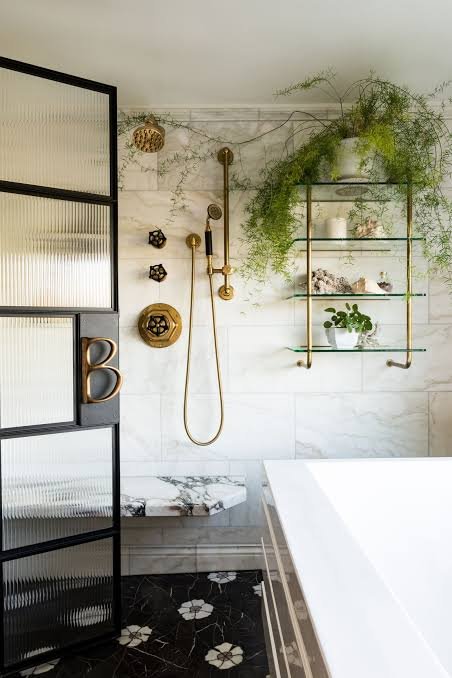
Bathrooms are often designed around practical features such as showers, sinks, bathtubs, mirrors, and storage cabinets. However, adding plants can make this functional space feel warmer, fresher, and more inviting. Greenery introduces natural color, softens hard surfaces, and creates a relaxing atmosphere that can make everyday routines more enjoyable.
Even a small bathroom can benefit from a carefully selected plant or two. A hanging planter near a window, a leafy plant on a vanity, or a compact arrangement on an open shelf can transform an ordinary bathroom into a peaceful indoor retreat.
The key to decorating with bathroom plants is choosing varieties that suit the available light, humidity, temperature, and space. Some plants enjoy humid conditions, while others need brighter light and careful watering. Understanding these requirements helps you create an attractive display without making plant care difficult.
Whether you have a spacious bathroom with a bathtub or a compact bathroom with limited floor space, these ideas can help you introduce greenery in a practical and beautiful way.
1. Place a Large Tropical Plant Beside the Bathtub
A large tropical plant beside the bathtub can create a relaxing, spa-inspired atmosphere. Its broad leaves introduce a natural focal point and make the bathing area feel more connected to nature.
Plants such as bird of paradise, certain palms, and large monstera varieties can work well when the bathroom receives enough natural light. Choose a plant that fits comfortably beside the tub without blocking access or making the space difficult to clean.
Use a decorative ceramic or woven-style planter that complements the bathroom’s colors. Neutral containers in white, beige, or natural brown create a calm appearance.
Before choosing a large plant, consider its mature size. A plant that looks small in a garden center may eventually become too wide or tall for a compact bathroom.
Helpful decorating tips:
- Position the plant where it receives suitable indirect light.
- Keep leaves away from direct contact with hot shower water.
- Choose a stable planter that will not tip easily.
- Leave enough room to clean around the bathtub.
- Rotate the container occasionally for balanced growth.
A large leafy plant can make the bathtub area feel like a peaceful indoor garden.
2. Decorate Bathroom Shelves with Small Green Plants
Bathroom shelves provide convenient places for displaying small plants. They are especially useful in bathrooms where floor space is limited.
Install one or two shelves above the toilet, beside the vanity, or on an unused wall. Arrange small plants with folded towels, decorative containers, and everyday bathroom accessories.
Compact plants such as pothos, peperomia, and small ferns can work well on shelves when their light and watering needs are met.
Avoid overcrowding the shelves. A few carefully arranged items usually look more attractive than a collection of unrelated decorations.
Ideas for arranging plants on shelves:
- Place a small leafy plant beside a stack of neatly folded towels.
- Use a trailing plant at the end of a shelf.
- Combine plants with simple ceramic containers.
- Leave some open space between decorative objects.
- Choose lightweight pots that are safe for wall-mounted shelves.
If the shelf is positioned near a shower, protect the surface from frequent water exposure. A waterproof tray beneath the plant can help prevent moisture damage.
3. Hang Pothos Plants Near a Bathroom Window
Pothos is a popular indoor plant because it produces attractive trailing stems and adapts to a range of indoor conditions. It can be particularly useful in bathrooms with windows that provide suitable natural light.
Hang a pothos planter near the window or place it on a high shelf. As the stems grow, they can gradually create a soft green display around the window area.
Pothos generally prefers bright, indirect light but can tolerate lower-light conditions. However, very dark bathrooms are not suitable for healthy long-term growth.
Allow the upper layer of potting mix to dry before watering again. Avoid leaving the roots in standing water.
Ways to display pothos:
- Use a hanging basket beside the window.
- Place it on a floating shelf above the vanity.
- Let its stems trail from a tall cabinet.
- Display it in a simple white or terracotta planter.
- Combine it with other compact indoor plants.
Keep pothos out of reach of pets and children because the plant is toxic if chewed.
4. Create a Small Bathroom Plant Corner
An unused bathroom corner can become an attractive green display with the right combination of plants and containers.
Start by selecting a corner that receives adequate light and does not interfere with doors, cabinets, or walking space. Place a larger plant on the floor and arrange smaller plants on a nearby stool or narrow stand.
A combination of different leaf shapes creates visual interest. For example, you can pair a broad-leaf plant with a compact fern and a trailing variety.
Use containers in similar colors to make the arrangement look coordinated. White, cream, gray, and natural wood tones are particularly suitable for calm bathroom interiors.
How to create the arrangement:
- Choose a corner with suitable lighting.
- Measure the available floor space.
- Select one medium or large plant.
- Add two smaller plants at different heights.
- Use waterproof trays beneath the containers.
- Keep enough space for cleaning and movement.
This idea works particularly well in bathrooms with unused corners beside a bathtub or vanity.
5. Add a Hanging Fern for a Soft Natural Look
Ferns have delicate foliage that can bring a soft, woodland-inspired feeling to bathroom interiors. Some varieties appreciate higher humidity, making them interesting choices for bathrooms with suitable natural light.
Boston ferns are commonly used in indoor displays because of their arching fronds. They can look beautiful in hanging baskets or on elevated shelves.
Hang a fern where its leaves have enough room to spread without touching walls or obstructing movement. A location near a bright window with indirect light is often suitable.
Ferns generally prefer consistently moist soil, but their roots should not remain waterlogged. Check the potting mix regularly and adjust watering according to the plant’s needs.
Decorating suggestions:
- Choose a natural fiber-style hanging basket.
- Hang the plant near a window.
- Combine it with neutral bathroom accessories.
- Allow the foliage to create a soft, flowing shape.
- Remove dry or damaged fronds to maintain its appearance.
If your bathroom has no window, a fern may struggle without suitable supplemental lighting.
6. Use a Small Plant on the Bathroom Vanity
The bathroom vanity is one of the easiest places to introduce greenery. A small plant beside the sink can add color without requiring a major change to the room.
Choose a compact plant that does not spread too widely or interfere with daily activities. Peperomia, small snake plants, and suitable varieties of pothos can be attractive options depending on the available light.
Place the plant in a decorative container that matches the vanity. A simple ceramic pot can create a clean and coordinated look.
Avoid placing the plant directly beside frequently splashed areas unless the container and plant are suitable for that location.
Practical styling ideas:
- Place one small plant beside a soap dispenser.
- Use a narrow tray to organize the plant and accessories.
- Choose a pot that complements the countertop.
- Keep the mirror area uncluttered.
- Leave enough room for everyday bathroom products.
A single well-positioned plant can make a vanity feel more welcoming without creating unnecessary clutter.
7. Create a Natural Display Above the Toilet
The wall above the toilet is often underused. A floating shelf can turn this area into a practical decorative display.
Install a moisture-resistant shelf at a comfortable height. Arrange a small plant, folded towels, and a simple storage container on the surface.
Trailing plants are particularly attractive because their stems soften the straight lines of the shelf.
Pothos and certain compact trailing plants may work well when the area receives enough indirect light. If the location is too dark, consider using a suitable grow light rather than expecting a plant to survive without adequate illumination.
Simple arrangement:
- Place a trailing plant at one end.
- Add a small basket for bathroom supplies.
- Keep the center area relatively open.
- Choose a shelf finish that matches the vanity or bathroom fittings.
- Use a waterproof tray beneath the planter.
Make sure the shelf is securely installed and can support the combined weight of the plants and decorations.
8. Decorate a Bathroom Window with Plants
A bathroom window can provide natural light and an excellent opportunity to display greenery.
Arrange small plants along the windowsill if it is wide and strong enough to support them. Choose plants according to the amount of direct sunlight the window receives.
Some plants prefer bright indirect light, while others can tolerate a little direct morning sunlight. Observe the window throughout the day before deciding which varieties to use.
Avoid overcrowding the windowsill because plants should not block ventilation or make the window difficult to open.
Plants to consider:
- Pothos for trailing foliage.
- Spider plants for arching leaves.
- Peperomia for compact growth.
- Small succulents for bright windows with appropriate conditions.
- Certain ferns for suitable indirect light and humidity.
Use matching pots for a neat appearance, or mix a few complementary container styles for a more relaxed look.
Remember that windowsills can become hot or cold depending on the season. Move sensitive plants if temperatures become unsuitable.
9. Use Snake Plants for a Modern Bathroom
Snake plants have upright, architectural leaves that work beautifully in modern bathroom interiors. Their narrow growth habit makes them suitable for corners, beside cabinets, and other areas where floor space is limited.
They are also relatively low-maintenance compared with many tropical houseplants. Snake plants prefer bright indirect light but can tolerate lower-light conditions for a period of time. Growth may become slower when light is limited.
Allow the potting mix to dry thoroughly between waterings. Overwatering is one of the most common causes of problems with snake plants.
A tall, narrow planter can emphasize the plant’s vertical shape and complement contemporary bathroom furniture.
Styling ideas:
- Place a snake plant beside a vanity cabinet.
- Use a tall ceramic planter.
- Position it near a bright window when possible.
- Combine it with simple black or brushed-metal accessories.
- Use one larger plant instead of several small decorations.
Snake plants are toxic if ingested, so keep them away from pets and children who may chew the leaves.
10. Make a Mini Indoor Garden Beside the Shower
If your bathroom has enough space, a small plant arrangement beside the shower can create a refreshing natural appearance.
Choose a location that receives suitable light but is not constantly exposed to heavy water splashes. Some plants appreciate humidity, but frequent direct contact with soap, shampoo, and hot water can damage foliage and affect the potting mix.
Use a small waterproof stand or plant stool to elevate the containers. Arrange plants at different heights for a layered appearance.
Compact ferns, suitable pothos varieties, and other humidity-tolerant houseplants can be considered depending on the available light.
Design suggestions:
- Use two or three plants rather than filling the entire area.
- Select containers with drainage holes.
- Place waterproof saucers beneath the pots.
- Keep plants away from shower controls and walking paths.
- Choose foliage with different shapes and textures.
This arrangement can make a simple shower area feel more natural and relaxing.
11. Add Plants to a Bathroom Ladder Shelf
A ladder shelf is a practical decorative feature for bathrooms that need additional storage. Its vertical design uses wall space efficiently while providing several levels for plants and accessories.
Place a narrow ladder shelf beside the vanity or against an unused wall. Use the upper levels for small plants and the lower levels for towels or baskets.
Trailing plants can be placed on higher shelves, while compact upright plants work well on lower levels.
Choose a shelf made from a material that can tolerate bathroom conditions. Untreated wood may become damaged by repeated exposure to moisture, so use an appropriate protective finish or choose a moisture-resistant alternative.
How to style the shelf:
- Place a trailing plant on the top shelf.
- Add a small upright plant at the middle level.
- Store folded towels below.
- Use matching baskets for small items.
- Leave some empty space to prevent a crowded appearance.
Secure the shelf properly, especially if children or pets can access it.
12. Choose Orchids for an Elegant Bathroom Display
Orchids can introduce a refined and elegant touch to bathroom interiors. Their flowers add color and contrast to spaces that are often dominated by neutral tiles and fixtures.
Phalaenopsis orchids are popular indoor varieties. They generally prefer bright, indirect light and a suitable growing medium that allows air to reach their roots.
A bathroom with a bright window may provide a useful environment, but humidity alone is not enough. Orchids still require appropriate light, watering, and airflow.
Display an orchid on a vanity, windowsill, or decorative shelf where it will not be knocked over.
Styling tips:
- Choose a simple ceramic outer pot.
- Keep the flowers away from direct hot air.
- Avoid allowing water to collect around the roots.
- Provide bright indirect light.
- Match the flower color with the bathroom’s overall palette.
White orchids work especially well in minimalist bathrooms, while pink and purple flowers can introduce a more decorative appearance.
13. Use Small Succulents on a Bright Bathroom Shelf
Succulents are attractive choices for bathrooms that receive plenty of natural light. Their compact shapes and interesting textures make them suitable for small shelves, windowsills, and vanity displays.
However, most succulents do not appreciate consistently damp soil. Bathrooms with poor ventilation or limited sunlight may not be suitable for them.
Choose varieties according to the light conditions available. Place them near a bright window and use a well-draining potting mix designed for succulents.
Water only when the soil has dried sufficiently. The frequency will depend on the plant, container, temperature, and light.
Display ideas:
- Arrange three small succulents in matching pots.
- Use a shallow decorative tray.
- Place them on a bright windowsill.
- Combine different leaf shapes for variety.
- Leave enough space between containers for airflow.
Avoid placing succulents directly beside a shower where water frequently splashes onto the leaves or soil.
14. Decorate with a Tall Indoor Palm
A suitable indoor palm can give a bathroom a tropical appearance. Its long, arching leaves add movement and make the space feel softer.
Areca palms and some other indoor palm varieties can work in bathrooms that offer sufficient indirect light and enough room for their mature size.
Place the palm in a corner where the foliage can spread without blocking the doorway or shower area. Use a stable planter with drainage holes and a waterproof saucer.
Indoor palms generally benefit from consistent care. Check their soil moisture and avoid allowing the roots to remain saturated.
Ways to style a bathroom palm:
- Choose a natural-colored planter.
- Place it beside a bathtub or tall cabinet.
- Pair it with warm wood accessories.
- Keep the surrounding area simple.
- Allow enough room for the leaves to spread naturally.
A palm can become the main decorative feature in a spacious bathroom.
15. Create a Minimalist Bathroom Plant Display
Minimalist bathroom interiors often feature simple colors, clean lines, and uncluttered surfaces. Plants can add natural character without disrupting this design style.
Instead of displaying many different varieties, choose one or two plants with distinctive shapes. A snake plant, compact peperomia, or small pothos can work well depending on the light conditions.
Use simple planters in white, beige, charcoal, or natural stone-inspired finishes.
Keep the display organized and avoid filling every available surface with decorations.
Minimalist design ideas:
- Place one plant on the vanity.
- Use a single floating shelf for greenery.
- Choose containers with simple shapes.
- Coordinate the planter color with bathroom fittings.
- Keep countertops mostly clear.
The goal is to make greenery feel like a natural part of the room rather than an additional layer of clutter.
16. Use a Wooden Plant Stand in an Empty Bathroom Corner
A wooden plant stand can add warmth to a bathroom dominated by tiles, glass, and metal.
Choose a compact stand that fits comfortably into an unused corner. Place one medium-sized plant on top and use the lower area for a small basket or additional decorative item if space allows.
Natural wood tones can complement beige tiles, white walls, and earthy bathroom accessories.
Because bathrooms are humid environments, untreated wood may absorb moisture and become damaged. Select a suitable protective finish or a material designed for humid indoor spaces.
Practical ideas:
- Choose a stand with a stable base.
- Use a waterproof tray beneath the planter.
- Keep the stand away from direct shower spray.
- Match its finish with existing furniture.
- Avoid placing heavy pots on narrow or unstable surfaces.
This simple addition can create a warm decorative feature without requiring a large renovation.
17. Combine Plants with Natural Bathroom Materials
Plants look particularly attractive when combined with natural materials such as wood, stone, bamboo, and woven textures.
If your bathroom already includes wooden cabinets, stone-inspired tiles, or neutral-colored accessories, greenery can help connect these elements into a cohesive design.
For example, place a small plant in a textured ceramic pot on a wooden vanity tray. Add folded cotton towels and a simple storage basket to complete the arrangement.
The combination of green leaves and natural textures creates a comfortable appearance without requiring expensive decorative changes.
Materials that complement bathroom plants:
- Light or medium-tone wood.
- Natural stone and stone-look surfaces.
- Matte ceramic containers.
- Woven baskets designed for suitable indoor use.
- Cotton towels in neutral shades.
- Simple glass accessories.
Make sure natural materials are suitable for humid conditions. Keep woven baskets and untreated wood away from areas that remain wet for long periods.
18. Create a Relaxing Bathroom Spa with Layered Greenery
A spa-inspired bathroom combines comfortable textures, calming colors, and simple natural details. Plants can help complete this look by introducing different shades of green and soft organic shapes.
Start with one medium-sized plant near the bathtub or vanity. Add a smaller plant to a shelf and a trailing variety to a hanging planter if the room has enough space.
Use warm lighting, neutral towels, and simple containers to create a coordinated appearance.
Avoid filling the bathroom with too many plants. A small selection of healthy, well-positioned plants usually looks more attractive than a crowded collection.
Elements for a spa-inspired display:
- A leafy floor plant.
- A small plant on the vanity.
- A trailing plant on a shelf.
- Neutral ceramic planters.
- Soft towels in white, beige, or muted green.
- Natural wood accessories.
- Clear surfaces and organized storage.
The result is a bathroom that feels more peaceful and connected to nature.
How to Choose the Best Plants for Your Bathroom
Not every houseplant is suitable for every bathroom. Before purchasing plants, consider the amount of natural light, available space, humidity, ventilation, and your ability to maintain them.
A plant that enjoys a humid environment may still struggle in a bathroom without enough light. Similarly, a plant that prefers dry soil may develop root problems if it is watered too frequently.
Consider the Available Natural Light
Light is one of the most important factors in choosing bathroom plants.
A bathroom with a large window may support a wide range of indoor plants. A bathroom with a small frosted window may have more limited options.
A bathroom without windows is more challenging. Most living plants need light to grow, so a completely dark room will require an appropriate grow light if you want to maintain living greenery.
Understand Humidity Requirements
Bathrooms often experience higher humidity than other rooms because of showers and baths.
Some plants, including certain ferns and tropical varieties, appreciate humid conditions. Other plants, such as many succulents, prefer drier environments.
Humidity does not replace watering requirements or proper airflow. Even humidity-loving plants can develop problems if their roots remain constantly wet.
Choose Plants That Fit the Available Space
Consider the plant’s mature size rather than choosing only by its appearance when purchased.
For a small bathroom, compact varieties and trailing plants are often practical. Larger bathrooms can accommodate floor plants, palms, and more substantial arrangements.
Avoid placing plants where they block cabinets, doors, towel rails, or walking areas.
Select Suitable Containers
The right planter helps protect bathroom surfaces and supports healthy plant growth.
Choose containers with drainage holes whenever possible. Use a waterproof saucer or tray to catch excess water and prevent damage to shelves and countertops.
Decorative outer pots can be used, but remove excess water after watering so the plant does not sit in a pool.
Best Bathroom Plants for Different Light Conditions
Choosing a plant according to available light makes it easier to maintain a healthy display.
| Bathroom condition | Plants to consider | Important care |
|---|---|---|
| Bright indirect light | Pothos, monstera, ferns | Avoid excessive direct sun |
| Bright window with some direct sun | Suitable succulents, some palms | Monitor heat and soil moisture |
| Medium indirect light | Pothos, snake plant, peperomia | Growth may be slower |
| Low natural light | Snake plant, pothos with caution | Supplemental light may be needed |
| No natural light | Living plants under grow lights | Provide a consistent light schedule |
These are general suggestions rather than guarantees. Individual plant varieties can have different requirements, so check the care needs of the specific plant you purchase.
Bathroom Plant Care Tips
A beautiful plant display requires regular attention. Fortunately, most bathroom plants do not need complicated care when they are placed in suitable conditions.
1. Avoid Overwatering
Bathroom humidity can make the soil dry more slowly. Check the potting mix before watering rather than following a fixed daily schedule.
Use your finger to check the upper layer of soil. If it is still moist, wait before watering plants that prefer partially dry conditions.
2. Provide Enough Light
Humidity cannot compensate for insufficient light. Place plants near suitable windows or use grow lights when natural light is inadequate.
Watch for signs such as pale leaves, weak growth, or unusually long stems, which may indicate that a plant needs more light.
3. Maintain Good Air Circulation
Bathrooms can become warm and humid, particularly after showers. Use an exhaust fan or open a window when possible to improve ventilation.
Good airflow helps reduce prolonged moisture around leaves and growing surfaces.
4. Clean Plant Leaves
Dust and bathroom residue can collect on leaves. Gently wipe broad leaves with a soft, damp cloth when necessary.
Avoid using harsh cleaning products or leaf-shining chemicals.
5. Check for Pests
Inspect the leaves, stems, and soil regularly. Look for small insects, sticky residue, webbing, or unusual leaf damage.
If you notice pests, isolate the affected plant and use an appropriate treatment.
6. Remove Damaged Leaves
Trim yellow, brown, or damaged leaves with clean scissors. Removing unhealthy foliage improves the plant’s appearance and helps you monitor its condition.
7. Use Suitable Potting Mix
Different plants need different growing conditions. Use a well-draining mix for plants that dislike wet roots and a suitable moisture-retaining mix for varieties that prefer consistently moist soil.
8. Protect Bathroom Surfaces
Water can damage wooden shelves, cabinets, and countertops. Always use appropriate waterproof saucers or trays beneath plant containers.
Common Mistakes to Avoid When Decorating with Bathroom Plants
Even attractive plants can become difficult to maintain if they are placed in unsuitable locations.
Choosing plants only for their appearance: A beautiful plant may not survive if the bathroom does not provide the light and growing conditions it needs.
Placing plants in completely dark spaces: Most plants need light for photosynthesis. A windowless bathroom generally requires a grow light for living plants.
Overcrowding the vanity: Too many pots can reduce useful counter space and make the bathroom feel cluttered.
Ignoring drainage: Containers without proper drainage can hold excess water and increase the risk of root rot.
Putting plants directly in shower spray: Repeated exposure to hot water and cleaning products can damage leaves and disturb the soil.
Using unsuitable materials: Untreated wood and some woven containers may deteriorate in humid environments.
Forgetting plant growth: A small plant can become much larger over time. Leave enough room for its mature size.
Frequently Asked Questions
1. What are the best plants for a bathroom?
Pothos, snake plants, certain ferns, peperomia, and some palms are popular choices. The best option depends on available light, ventilation, humidity, and the space you have.
2. Can I keep plants in a bathroom without a window?
Living plants generally need light to survive. If your bathroom has no window, use an appropriate grow light with a consistent schedule. Another option is to use high-quality artificial greenery.
3. Do bathroom plants need less water?
Not necessarily. Higher humidity may slow soil drying, but watering requirements depend on the plant species, potting mix, temperature, and light. Always check the soil before watering.
4. Which plants are suitable for small bathrooms?
Compact peperomia, small snake plants, and trailing pothos can be useful choices. Hanging planters and narrow shelves also help save floor space.
5. Can I put a plant beside my shower?
Yes, if the location has suitable light and the plant is protected from constant direct water spray. Avoid placing plants where hot water, soap, or shampoo regularly reaches their leaves and soil.
6. Are ferns good bathroom plants?
Some ferns appreciate the higher humidity found in bathrooms. They still need suitable light, airflow, and consistent moisture without waterlogged roots.
7. How many plants should I put in a bathroom?
There is no fixed number. A small bathroom may look attractive with one or two plants, while a larger bathroom can accommodate several. The arrangement should leave enough space for daily activities and cleaning.
8. Can succulents grow in bathrooms?
Succulents can grow in bright bathrooms with suitable light and good drainage. They are generally less suitable for bathrooms that remain dark and humid.
9. How can I keep bathroom plants healthy?
Provide suitable light, water according to each plant’s needs, maintain airflow, use appropriate potting mix, and inspect the leaves regularly. Avoid leaving containers filled with excess water.
10. Are bathroom plants safe for pets?
Not all houseplants are pet-safe. Pothos and snake plants, for example, can be harmful if chewed or swallowed. Check the toxicity of every plant before bringing it into a home with pets.
Conclusion
Bathroom plants are a simple way to introduce natural beauty into an everyday space. Whether you prefer a large tropical plant beside the bathtub, a trailing pothos on a floating shelf, or a small decorative plant on the vanity, greenery can make your bathroom feel more comfortable and inviting.
The most successful arrangements balance appearance with practical care. Choose plants according to the available light, humidity, ventilation, and room size. Use suitable containers, protect bathroom surfaces from water, and avoid overcrowding shelves and countertops.
You do not need a large bathroom or an expensive renovation to create a beautiful indoor plant display. Even one healthy plant in the right location can add warmth, color, and a refreshing natural touch to your bathroom.