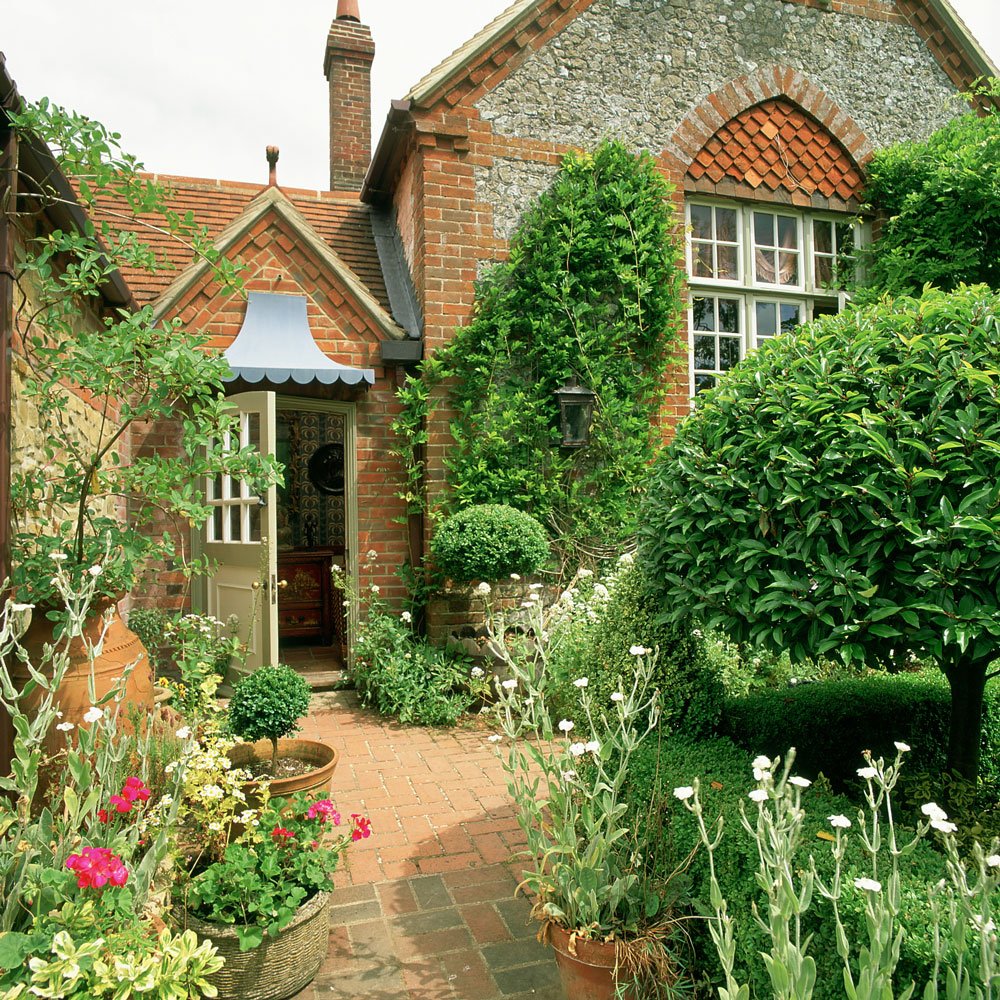
A small front garden can make a big difference to the appearance of your home. Even when you have limited outdoor space, the right combination of plants, decorative materials, pathways, and garden arrangements can create a beautiful and welcoming entrance.
Many homeowners believe that an attractive front garden requires a large lawn or spacious outdoor area. However, a small garden can look just as impressive when every section is planned carefully. Compact plants, vertical planters, decorative pots, raised flower beds, and natural stones can help transform even the narrowest entrance.
The secret to designing a small front garden is making smart use of available space. Instead of filling every corner with plants and decorations, choose a few attractive features that complement your home’s exterior. Keeping pathways clear, selecting plants with manageable growth habits, and using coordinated materials can make the garden feel more organized and spacious.
Whether your house has a narrow entrance, a small front lawn, or a limited planting area beside the driveway, there are many creative ways to improve its appearance.
In this guide, you will discover 15 small front garden ideas for houses with limited space, along with practical design tips to help you create an attractive outdoor area.
1. Create a Small Flower Bed Along the Front Walkway
A narrow flower bed along the front walkway is a simple way to add color to a small garden without using too much space.
Instead of creating a large planting area, use a narrow strip beside the pathway. This arrangement introduces flowers and greenery while leaving enough room for comfortable walking.
Choose compact flowering plants that do not spread excessively. Petunias, marigolds, begonias, alyssum, and suitable dwarf perennials can work well depending on your local climate.
Arrange taller plants toward the back and smaller flowers along the pathway edge. This creates a layered appearance without making the walkway feel crowded.
You can define the flower bed using bricks, natural stones, or simple concrete edging.
Design tips:
- Keep the flower bed narrow and organized.
- Select compact plant varieties.
- Choose two or three complementary flower colors.
- Leave enough room for walking.
- Remove faded flowers when necessary.
This design works particularly well for houses with a narrow entrance or a small front pathway.
2. Use Vertical Planters to Save Ground Space
Vertical planters are an excellent solution when your front garden has very little ground space.
Instead of arranging every plant on the ground, use walls, fences, and suitable vertical structures to display greenery.
You can install wall-mounted containers, vertical planting pockets, or a freestanding plant stand near the entrance.
Choose plants that are suitable for container growing and match the available sunlight. Trailing flowers, compact foliage plants, and suitable herbs can create an attractive display.
Make sure the structure is securely installed and can support the combined weight of containers, soil, and water.
Proper drainage is especially important because water dripping from upper containers can affect plants below.
Design tips:
- Use weather-resistant vertical structures.
- Choose lightweight containers where appropriate.
- Arrange plants according to their sunlight needs.
- Avoid blocking doors and windows.
- Check drainage regularly.
Vertical gardening makes use of otherwise empty wall space and allows you to enjoy more greenery without sacrificing valuable ground area.
3. Design a Small Garden with Decorative Pots
Decorative pots are a practical way to create a beautiful front garden without making permanent changes to the landscape.
You can arrange several containers beside the entrance, along the steps, or near the front wall.
Choose pots in different sizes but maintain a consistent style. For example, three containers in neutral shades can create a coordinated appearance.
Fill larger pots with compact evergreen shrubs or ornamental grasses. Smaller containers can hold seasonal flowers or trailing plants.
Terracotta pots provide a warm natural appearance, while concrete and matte-finish containers work well with modern homes.
Design tips:
- Select pots with drainage holes.
- Use different heights for visual interest.
- Keep the number of containers manageable.
- Choose plants suited to the available sunlight.
- Leave clear space around the entrance.
This idea is especially useful for houses with paved front yards and limited planting areas.
4. Create a Miniature Rock Garden
A small rock garden can transform an unused corner into an attractive landscaping feature.
Choose a sunny or partially shaded area depending on the plants you intend to grow.
Arrange a few natural stones of different sizes and add suitable compact plants between them.
Drought-tolerant succulents, small ornamental grasses, creeping ground covers, and compact shrubs can create an interesting combination.
Avoid overcrowding the arrangement. Leave enough open space so the stones and individual plants remain visible.
You can also use decorative gravel to cover exposed soil and create a neat finish.
Design tips:
- Choose stones with complementary colors.
- Use plants suitable for your local climate.
- Provide proper drainage.
- Avoid excessive decorations.
- Remove weeds before they become established.
A miniature rock garden is an excellent option for small front yards where traditional flower beds are difficult to install.
5. Install a Small Raised Flower Bed
A raised flower bed can make a small front garden look more organized and attractive.
It creates a clearly defined planting area and allows you to control the soil used for your flowers and shrubs.
You can construct a compact raised bed using bricks, concrete blocks, natural stones, or durable timber.
Position it beside the front wall, near the entrance, or along the edge of a walkway.
Fill it with suitable garden soil and arrange plants according to their mature size.
For a balanced appearance, use a few compact shrubs at the back and colorful low-growing flowers toward the front.
Design tips:
- Keep the raised bed proportional to your garden.
- Choose durable construction materials.
- Provide adequate drainage.
- Avoid planting oversized shrubs.
- Maintain clear walking space around the bed.
Raised flower beds are particularly useful when the existing soil is poor or when you want a neat, structured garden.
6. Add a Small Ornamental Tree as a Focal Point
A small ornamental tree can create a beautiful focal point without requiring a large garden.
Choose a tree with a manageable mature size and an attractive shape.
Depending on your climate and available space, suitable options may include compact Japanese maple varieties, dwarf citrus trees, small crape myrtles, or other locally adapted ornamental trees.
Plant the tree in a suitable location near the entrance or inside a small garden bed.
Surround its base with decorative mulch, ground covers, or a few low-growing flowers.
Make sure the tree has enough room for its roots and canopy to develop.
Design tips:
- Check the tree’s mature height and width.
- Avoid planting near underground utilities.
- Keep branches away from pathways.
- Choose a tree suited to local weather.
- Avoid overcrowding the area around its trunk.
A carefully selected ornamental tree adds height and natural beauty to a small front garden.
7. Use Hanging Baskets Around the Entrance
Hanging baskets are a useful way to introduce flowers and greenery without taking up valuable ground space.
They can be installed beneath a suitable porch roof, on secure wall brackets, or near entrance columns.
Choose baskets that complement your home’s exterior and fill them with plants suited to their location.
Trailing petunias, ivy, fuchsias, and other suitable cascading plants can create a beautiful display.
If your entrance receives strong sunlight, choose heat-tolerant varieties. For shaded entrances, select plants that perform well with limited direct sunlight.
Design tips:
- Install secure hanging brackets.
- Use containers with drainage.
- Choose lightweight materials.
- Avoid hanging baskets too low.
- Water according to plant requirements.
Hanging baskets are especially useful for narrow front gardens where there is little room for traditional flower beds.
8. Create a Narrow Garden Border Along the House
A narrow garden border can make the exterior of your house look more attractive while using very little space.
Choose a section along the front wall and create a simple planting bed.
Use compact evergreen shrubs, dwarf ornamental grasses, and low-growing flowers to introduce texture and greenery.
Arrange plants in repeated groups rather than mixing too many different varieties.
Add a layer of mulch or decorative gravel to cover exposed soil.
Leave enough space around windows, vents, drainage points, and building access areas.
Design tips:
- Select plants with compact growth habits.
- Avoid planting too close to the wall.
- Maintain clear access to windows and vents.
- Use consistent garden edging.
- Choose plants according to sunlight exposure.
A narrow border can soften the appearance of exterior walls and make a small entrance feel more welcoming.
9. Design a Small Front Garden with Stepping Stones
Stepping stones can make a small front garden look more spacious and interesting.
Instead of using a wide paved pathway, install a series of attractive stones that guide visitors toward your entrance.
Choose natural stone slabs, concrete stepping stones, or simple pavers.
Arrange them with comfortable spacing and make sure they remain stable and level.
Fill the surrounding spaces with decorative gravel, low-growing ground covers, or small ornamental plants.
Avoid using plants that spread across the walking surface or become slippery when wet.
Design tips:
- Choose non-slip materials.
- Keep spacing comfortable for walking.
- Use simple pathway shapes.
- Add low-growing greenery along the edges.
- Keep the entrance route unobstructed.
A stepping-stone pathway adds character while preserving more open planting space.
10. Combine Small Shrubs with Colorful Seasonal Flowers
Combining compact shrubs with seasonal flowers creates a balanced front garden with both permanent greenery and changing colors.
Evergreen shrubs provide structure throughout the year, while seasonal flowers introduce fresh colors during different growing periods.
Choose small shrubs that remain manageable in your available space.
Add seasonal flowers such as marigolds, petunias, pansies, or zinnias when local conditions are suitable.
Arrange the shrubs toward the back of the planting area and place smaller flowers along the front.
Design tips:
- Use compact shrub varieties.
- Select flowers suited to the current season.
- Avoid too many contrasting colors.
- Leave room for mature plant growth.
- Replace seasonal flowers when necessary.
This design works well for homeowners who want a colorful garden without filling the entire front yard with flowers.
11. Create a Modern Small Garden with White Gravel
White gravel can make a small front garden feel brighter and more organized.
It is particularly effective in narrow planting areas where a large lawn would be difficult to maintain.
Prepare a small section of ground and define it with suitable edging.
Spread white gravel evenly and add a few decorative plants to create contrast.
Dwarf shrubs, ornamental grasses, succulents, and compact foliage plants can work well depending on the local climate.
For additional interest, include one or two larger natural stones.
Design tips:
- Use white gravel with contrasting greenery.
- Keep the design simple.
- Install proper edging.
- Prepare the soil for drainage.
- Clean fallen leaves regularly.
White gravel can create a contemporary appearance and make a small outdoor area look neat.
12. Make Use of a Small Front Porch Garden
A small porch can become an attractive garden area with a few carefully selected plants.
You do not need to cover the entire porch with containers. Instead, create a balanced arrangement near the entrance.
Place a large planter beside the door and add two smaller pots near the steps.
You can also use a compact plant stand to display several smaller containers vertically.
Choose plants that match the light conditions beneath your porch roof.
Evergreen foliage, compact flowering plants, and suitable trailing varieties can create a welcoming appearance.
Design tips:
- Keep the doorway clear.
- Use matching or coordinated pots.
- Choose plants that tolerate porch conditions.
- Avoid placing containers where people may trip.
- Check drainage to protect the porch surface.
A small porch garden is a simple way to add greenery to a house with limited outdoor space.
13. Create a Small Garden with Low-Growing Ground Covers
Low-growing ground covers are useful for filling empty spaces in a small front garden.
Instead of leaving soil exposed, use suitable spreading plants to create a softer green surface.
Depending on your local climate and growing conditions, options may include creeping thyme, suitable sedums, dwarf mondo grass, and other compact ground covers.
Plant them around stepping stones, beneath selected shrubs, or along narrow garden borders.
Choose varieties that will not spread beyond their intended areas.
Remember that not every ground cover can tolerate foot traffic, so select an appropriate variety for the location.
Design tips:
- Choose plants suited to your soil.
- Check their spreading habits.
- Use them around decorative stones.
- Avoid blocking drainage areas.
- Maintain clear pathways.
Ground covers help create a natural appearance without requiring a large lawn.
14. Use a Corner Garden for an Empty Entrance Space
Small front yards often have unused corners that can become attractive garden features.
Instead of leaving these areas empty, create a compact corner arrangement using a few plants and decorative materials.
Place one taller plant near the back and arrange smaller shrubs or flowers around it.
You can add a few natural stones or a decorative container to complete the composition.
For a modern appearance, use a simple triangular or curved planting bed.
Choose plants that suit the amount of sunlight the corner receives.
Design tips:
- Keep the arrangement compact.
- Use plants of different heights.
- Avoid blocking windows or entrances.
- Choose a consistent material palette.
- Leave enough room for maintenance.
A corner garden makes use of space that might otherwise remain unused.
15. Design a Simple Front Garden with Symmetrical Planters
Symmetrical planters create a neat and welcoming appearance around a small entrance.
Place two matching containers on either side of your front door, porch steps, or entrance pathway.
Fill them with the same plant variety or use complementary arrangements with similar heights.
Compact evergreen shrubs, ornamental grasses, and seasonal flowers can all work well.
Choose containers that suit your home’s exterior. Neutral colors are particularly effective for modern and minimalist houses.
Make sure the containers do not interfere with door movement or walking space.
Design tips:
- Use matching container shapes.
- Select plants of similar size.
- Keep the entrance unobstructed.
- Choose durable outdoor materials.
- Maintain healthy soil and drainage.
This design is simple, attractive, and especially useful for homes with very limited planting space.
How to Make a Small Front Garden Look Bigger
A small front garden can feel more spacious when the design uses visual balance and avoids unnecessary clutter.
Choose Light and Neutral Materials
Light-colored paving, white gravel, and neutral planters can make a small outdoor area feel brighter.
You can combine these materials with green foliage to create contrast without overwhelming the space.
Use Vertical Space
Wall-mounted planters and hanging baskets allow you to introduce more greenery without covering the ground.
This is particularly useful for narrow entrance gardens.
Avoid Oversized Plants
Large shrubs and trees can quickly dominate a small space.
Choose compact varieties and consider their mature dimensions before planting.
Keep Pathways Simple
A clear walkway creates a more open appearance.
Avoid placing too many pots, decorations, or plants along the main entrance route.
Use Repeated Plant Groups
Repeating a few plant varieties makes the garden look organized.
Instead of mixing many different species, select a small collection and arrange them consistently.
Best Plants for Small Front Gardens
The right plant selection makes a significant difference in a small garden.
Here are some useful plant categories to consider.
Compact Evergreen Shrubs
Compact evergreen shrubs provide year-round greenery and structure.
Depending on local conditions, dwarf junipers, compact boxwood, and suitable small evergreen varieties can be useful options.
Colorful Seasonal Flowers
Seasonal flowers add color without requiring a permanent change to the garden layout.
Marigolds, petunias, begonias, and pansies are examples of flowers that may suit different seasons and climates.
Ornamental Grasses
Ornamental grasses provide attractive textures and movement.
Compact varieties such as blue fescue and suitable dwarf grasses can work well in narrow beds.
Succulents
Succulents are useful for sunny planting areas with well-draining soil.
Choose varieties that can tolerate the temperature and rainfall conditions in your region.
Ground Cover Plants
Ground covers can fill empty spaces and reduce exposed soil.
Select varieties according to sunlight, soil, moisture, and spreading behavior.
Common Mistakes to Avoid in Small Front Garden Design
Designing a small garden requires careful planning because every section of space matters.
Overcrowding the Garden
Too many plants can make a small front yard feel messy and difficult to maintain.
Use a limited selection of plants and leave open spaces between them.
Choosing Large Containers
Oversized pots can take up valuable walking space.
Select containers that are proportional to your entrance and available planting area.
Ignoring Plant Growth
A small nursery plant may eventually become too large for your garden.
Always check the mature size before planting.
Using Too Many Colors
A mixture of too many flower and container colors can make a small garden appear visually crowded.
Choose a coordinated color palette and repeat it throughout the space.
Blocking the Entrance
Plants and decorations should never make it difficult to reach the front door.
Keep pathways, steps, and doorways clear.
Forgetting Drainage
Small gardens still need proper drainage.
Avoid creating planting beds where water collects near the house or entrance.
Budget-Friendly Tips for Small Front Garden Landscaping
You can create a beautiful small front garden without spending a lot of money.
Start by cleaning the existing area and removing unwanted weeds. Sometimes trimming existing plants and organizing the entrance can make a noticeable difference.
Reuse suitable pots and containers rather than purchasing everything new.
Choose a few healthy plants and arrange them carefully instead of buying many varieties.
You can also grow some flowers from seeds or propagate suitable plants from established garden specimens.
Use locally available stones and simple garden edging to define planting areas.
If your budget is limited, complete the project in stages. Begin with the entrance and walkway, then improve the remaining planting areas over time.
How to Maintain a Small Front Garden
A small garden is generally easier to manage when its design is simple and its plants are suitable for the local climate.
Water regularly according to plant needs: Check soil moisture and avoid following the same watering schedule for every variety.
Remove weeds early: Small weeds are easier to remove before they spread throughout the planting beds.
Trim plants when necessary: Prune shrubs according to their natural growth habits and specific requirements.
Clean pathways and containers: Remove fallen leaves, dirt, and debris to maintain a neat entrance.
Replace seasonal flowers: Remove damaged or finished seasonal plants and replace them when appropriate.
Check drainage: Make sure containers and garden beds do not hold excessive water.
Final Thoughts
A small front garden can be beautiful, practical, and welcoming even when your home has very limited outdoor space.
The best approach is to use every available area carefully. Vertical planters, decorative pots, narrow flower beds, compact shrubs, stepping stones, and miniature rock gardens can all help transform a small entrance.
Choose plants according to your climate, sunlight, and available space. Keep the design simple, avoid overcrowding, and use coordinated materials to create a balanced appearance.
You do not need a large lawn or an expensive landscaping project to make your home look attractive. With thoughtful planning and a few carefully selected features, even the smallest front garden can become a lovely part of your home.