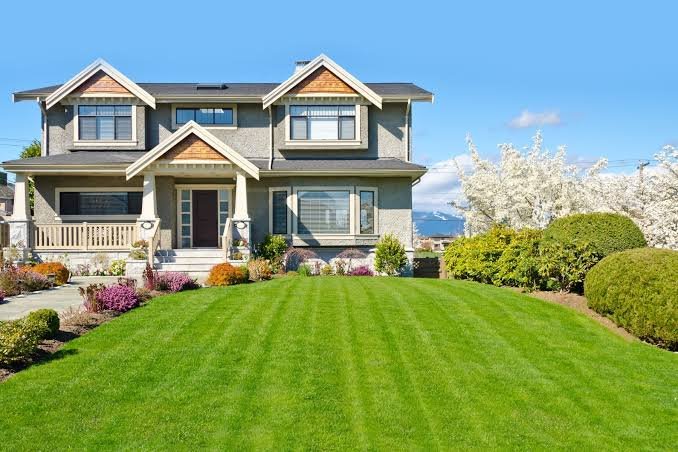
Your front yard is the first thing people notice when they visit your home. A beautiful garden can make an ordinary house look more welcoming, attractive, and well-maintained. Whether you have a large front lawn, a small entrance, or a narrow garden area, the right landscaping choices can completely transform your outdoor space.
Creating an attractive front yard does not always require expensive materials or professional landscaping. Simple flower beds, decorative stones, colorful plants, attractive pathways, and well-placed garden containers can make a significant difference. Even a few carefully selected plants can create a beautiful entrance that reflects your personal style.
The best front yard garden design combines beauty, functionality, and easy maintenance. It should complement your home’s exterior while leaving enough space for walking, parking, and everyday activities.
In this guide, you will discover 20 front yard garden ideas that can help improve your home’s curb appeal. Each idea includes practical suggestions, suitable plants, and decorating tips to help you create an outdoor space that looks beautiful throughout the year.
1. Create a Colorful Flower Bed Along the Walkway
A flower bed along your front walkway is one of the easiest ways to make your home entrance more attractive. Colorful flowers create a welcoming atmosphere and guide visitors naturally toward your front door.
You can design a narrow flower bed on one or both sides of the walkway. Choose flowers with different heights, colors, and blooming seasons to keep the garden visually interesting.
Petunias, marigolds, zinnias, and begonias are excellent choices for colorful flower beds. Place taller plants toward the back and shorter flowers near the pathway to create a balanced arrangement.
Adding a clean border made from bricks, natural stones, or concrete edging helps define the flower bed and keeps soil from spreading onto the walkway.
Design tips:
- Choose two or three complementary flower colors.
- Plant taller flowers behind shorter varieties.
- Add dark mulch to create contrast.
- Keep the walkway edges neat.
- Remove faded flowers regularly.
This design works especially well for traditional homes, cottages, and modern houses that need a little extra color around the entrance.
2. Design a Modern Garden with Decorative Stones
Decorative stones can give your front yard a clean and contemporary appearance. They are particularly useful for homeowners who want an attractive garden without maintaining a large grassy area.
Start by selecting a small section near the entrance, driveway, or front windows. Remove unwanted weeds, prepare the soil, and install landscape fabric where appropriate. Arrange decorative stones over the prepared surface.
You can use white pebbles, gray gravel, river rocks, or natural-colored stones depending on your home’s exterior.
Combine the stones with ornamental grasses, small shrubs, succulents, or architectural plants. The contrast between natural greenery and decorative stones creates a beautiful modern landscape.
For an interesting arrangement, place larger rocks around selected plants and use smaller pebbles to cover the remaining ground.
Design tips:
- Use one main stone color for a coordinated appearance.
- Combine different stone sizes carefully.
- Add drought-tolerant plants.
- Install proper edging to prevent stones from spreading.
- Keep decorative areas free from fallen leaves.
This idea is ideal for contemporary homes and homeowners who prefer a tidy outdoor space.
3. Add Symmetrical Plants Around Your Front Door
Symmetrical landscaping creates a balanced and elegant entrance. It works particularly well when your front door is positioned in the center of the house or has a clearly defined entrance area.
Place matching plants on both sides of the front door, steps, or entrance pathway. Large decorative pots filled with evergreen shrubs can create a sophisticated appearance.
Boxwood, dwarf juniper, ornamental grasses, and compact evergreen plants are useful options. If you prefer flowers, choose matching containers filled with seasonal blooms.
The most important part of this design is maintaining a consistent arrangement. Similar plant heights, matching containers, and coordinated colors make the entrance appear organized.
You can also add matching outdoor lanterns or simple pathway lighting to complete the look.
Design tips:
- Choose matching containers.
- Keep plant heights relatively similar.
- Avoid overcrowding the entrance.
- Use evergreen plants for year-round structure.
- Trim shrubs regularly to maintain their shape.
A symmetrical garden is a simple way to give your house a polished and welcoming appearance.
4. Create a Beautiful Garden Around a Small Tree
A small ornamental tree can become the focal point of your front yard. Instead of leaving the surrounding area empty, create a circular or curved flower bed around its base.
Japanese maple, flowering dogwood, crape myrtle, and other suitable small ornamental trees can add height, texture, and seasonal interest.
Surround the tree with low-growing flowers, ground covers, or decorative mulch. Avoid planting anything too close to the trunk because trees need sufficient space for healthy growth.
A stone border can help define the circular garden bed. You can also place a few decorative rocks around the planting area for a natural appearance.
Select plants that tolerate the amount of sunlight and shade beneath the tree.
Design tips:
- Choose a tree appropriate for your available space.
- Keep soil and mulch away from the trunk.
- Use shallow-rooted companion plants carefully.
- Maintain enough room for the tree to grow.
- Avoid overcrowding the surrounding flower bed.
This design adds natural beauty and creates a focal point that makes your front yard more memorable.
5. Build a Small Cottage-Style Front Garden
A cottage-style garden brings a relaxed, colorful, and welcoming atmosphere to your home. It is perfect for homeowners who enjoy flowers and natural-looking landscaping.
Instead of arranging plants in perfectly straight rows, combine different flowers, shrubs, and greenery in soft, flowing groups.
Roses, lavender, daisies, salvia, foxgloves, and seasonal flowers can create a charming garden when their growing conditions are compatible.
Use a mixture of flower heights and textures. Taller plants can be positioned toward the back, while shorter flowers and ground covers fill the front.
A small gravel pathway, wooden garden edging, or natural stone border can complete the cottage-inspired appearance.
Design tips:
- Mix flowers with different blooming periods.
- Use curved flower bed edges.
- Combine colorful flowers with green foliage.
- Allow sufficient growing space.
- Remove weeds before they spread.
A cottage garden makes the front of your home feel warm, inviting, and full of personality.
6. Use Raised Flower Beds for a Neat Landscape
Raised flower beds are a practical way to organize your front yard. They create clear planting areas and make it easier to control soil quality, drainage, and plant arrangements.
You can build raised beds using wood, bricks, natural stone, or concrete blocks. Choose a material that complements your home’s exterior.
Position the raised bed beside the front steps, along the house, or near the driveway. Fill it with suitable garden soil and arrange plants according to their mature sizes.
Low-growing flowers can cover the front edge, while compact shrubs and taller flowering plants provide height toward the back.
Raised beds are also useful in yards where the existing soil is poor or uneven.
Design tips:
- Choose durable, weather-resistant materials.
- Make sure excess water can drain properly.
- Avoid making beds too narrow for the plants.
- Select plants according to sunlight exposure.
- Maintain a consistent border style.
A well-designed raised flower bed gives your front yard a structured and attractive appearance.
7. Add Decorative Planters Near the Entrance
Decorative planters are an excellent solution when you want to improve your entrance without changing the entire garden.
Large pots can be placed beside the front door, near porch steps, or along the walkway. They create visual interest and allow you to introduce flowers and greenery in areas where planting directly into the ground is difficult.
Choose containers that complement your home’s architecture. Terracotta pots create a warm traditional appearance, while concrete and matte-finish planters suit modern homes.
Fill your containers with a combination of upright plants, trailing greenery, and colorful flowers.
For example, a tall ornamental grass can provide height, while trailing plants soften the edges of the container.
Design tips:
- Use containers with drainage holes.
- Choose appropriately sized pots.
- Combine different plant textures.
- Keep container arrangements balanced.
- Move sensitive plants according to seasonal conditions.
Decorative planters are especially useful for small front yards, porches, and homes with limited planting space.
8. Create a Beautiful Garden Border Along the House
A garden border along the front exterior can make your house appear more connected to its surroundings.
Instead of leaving the area beneath your windows or along the foundation empty, create a narrow planting bed with carefully selected shrubs and flowers.
Dwarf boxwood, compact hydrangeas, ornamental grasses, lavender, and suitable flowering perennials can add texture and color.
Use plants that will not grow too large or block windows, vents, or access points. Leave enough clearance between the plants and the building to allow air circulation and maintenance.
A layer of natural mulch can make the planting area look tidy while helping retain soil moisture.
Design tips:
- Select plants according to their mature width.
- Keep shrubs away from windows and vents.
- Use repeated plant groups for consistency.
- Avoid planting directly against the foundation.
- Maintain enough space for pruning.
A foundation garden border is a simple way to soften the appearance of exterior walls and create a finished landscape.
9. Install a Natural Stone Garden Pathway
A stone pathway adds character and functionality to your front yard. It gives visitors a clear route to your entrance while creating an attractive landscape feature.
You can use stepping stones, flagstones, natural stone slabs, or gravel paths depending on your preferred design.
For a natural garden appearance, arrange irregular stepping stones through a small planting area. Fill the spaces between the stones with suitable ground covers or decorative gravel.
For a more formal entrance, choose evenly spaced rectangular stones with clean edges.
Make sure the pathway is stable, reasonably level, and wide enough for comfortable walking.
Design tips:
- Choose non-slip materials.
- Keep the walking surface stable.
- Use consistent spacing between stepping stones.
- Add low-growing plants along the edges.
- Provide adequate lighting for evening use.
A natural stone pathway can make even a simple front yard look carefully designed.
10. Plant Evergreen Shrubs for Year-Round Beauty
Evergreen shrubs provide structure and greenery throughout the year. Unlike seasonal flowers, many evergreen plants maintain their foliage during colder months.
This makes them useful for creating a front yard that remains attractive even when flowering plants are not in bloom.
Dwarf juniper, boxwood, compact hollies, and suitable local evergreen varieties can be used around pathways, windows, and entrance areas.
Arrange shrubs in small groups rather than scattering them randomly. Repeating the same plant variety in several locations helps create a coordinated appearance.
You can combine evergreen shrubs with seasonal flowers to add changing colors throughout the year.
Design tips:
- Choose shrubs suitable for your climate.
- Consider their mature height and width.
- Maintain space between individual plants.
- Prune only when appropriate for the species.
- Combine evergreen plants with seasonal flowers.
Evergreen landscaping provides a dependable foundation for an attractive front yard.
11. Design a Low-Maintenance Succulent Garden
A succulent garden is a beautiful option for sunny front yards where traditional flower beds may require frequent watering.
Succulents come in many shapes, colors, and sizes. Their interesting forms create a modern appearance, especially when combined with decorative gravel and natural stones.
You can arrange different varieties in a shallow raised bed, a stone-bordered garden, or large outdoor containers.
Choose varieties that are suitable for your local climate and outdoor temperatures. Most succulents require well-draining soil and should not remain in waterlogged conditions.
Combine larger architectural succulents with smaller spreading varieties to create depth.
Design tips:
- Use well-draining soil.
- Avoid excessive watering.
- Provide sunlight suitable for each variety.
- Leave space for mature growth.
- Protect frost-sensitive varieties during cold weather.
This garden style is useful for homeowners who prefer an organized landscape with relatively simple watering requirements.
12. Add a Colorful Garden Around Your Mailbox
A mailbox garden is a small detail that can make your front yard more attractive.
The area around your mailbox often remains unused, but it can become a beautiful focal point with a few flowers and decorative plants.
Create a small circular or rectangular flower bed around the mailbox post. Use low-growing plants that will not block visibility or interfere with mail delivery.
Petunias, marigolds, alyssum, dwarf ornamental grasses, and compact flowering perennials can work well depending on the local climate.
A small stone border can define the planting area and protect it from surrounding grass.
Design tips:
- Keep the mailbox accessible.
- Avoid tall plants that block visibility.
- Choose flowers that tolerate the available sunlight.
- Use a simple decorative border.
- Keep the surrounding area tidy.
This small garden feature can add charm without requiring a large investment.
13. Create a Modern Minimalist Front Yard
Minimalist landscaping focuses on simplicity, clean lines, and carefully selected plants.
Rather than filling every available space with flowers and decorations, choose a few attractive features and give them room to stand out.
For example, combine a small ornamental tree, a decorative gravel bed, and two or three groups of architectural plants.
Use a limited color palette with green foliage, natural stone, and neutral materials. Concrete stepping stones can create a simple pathway through the garden.
Ornamental grasses, dwarf shrubs, agave varieties suitable for your climate, and other structural plants can add visual interest without making the design look crowded.
Design tips:
- Keep the plant selection simple.
- Use clean geometric shapes.
- Avoid unnecessary decorations.
- Repeat a few materials throughout the space.
- Maintain clear walking areas.
A minimalist front yard looks modern, organized, and visually calm.
14. Use Curved Flower Beds for a Softer Appearance
Curved flower beds create a more natural and flowing appearance than straight planting borders.
They are especially effective in front yards with open lawns, large trees, or wide pathways.
Start by marking a gentle curve along the lawn using a garden hose or flexible rope. Once you are happy with the shape, prepare the planting area and install edging if needed.
Fill the bed with flowering plants, ornamental grasses, and compact shrubs.
You can place taller plants toward the center or back of the bed and smaller plants along the outer edge.
Use mulch to cover exposed soil and help reduce weed growth.
Design tips:
- Keep curves smooth and balanced.
- Avoid overly complicated shapes.
- Choose plants with different heights.
- Repeat selected flowers for a coordinated appearance.
- Maintain a clean lawn edge.
Curved flower beds can make a front yard feel more spacious and visually interesting.
15. Decorate Your Front Porch with Hanging Baskets
Hanging baskets are a useful way to introduce flowers and greenery when ground space is limited.
They can be installed beneath a porch roof, near entrance columns, or along a covered front veranda.
Choose lightweight containers with suitable drainage and secure hanging hardware. Make sure baskets are positioned high enough to avoid interfering with people walking underneath.
Trailing petunias, fuchsias, ivy, and other suitable trailing plants can create beautiful displays.
For a coordinated appearance, use matching baskets or repeat the same flower colors across several containers.
Remember that hanging baskets can dry out more quickly than plants growing in the ground, so check their moisture regularly.
Design tips:
- Choose plants suitable for the available light.
- Use containers with drainage.
- Secure baskets properly.
- Water according to weather and plant needs.
- Remove dead flowers and leaves.
Hanging baskets add color at eye level and make a front porch feel more welcoming.
16. Create a Tropical-Inspired Front Yard Garden
A tropical-inspired garden can make your entrance feel lush, fresh, and relaxing.
This style uses large leaves, layered greenery, bold foliage, and selected flowering plants to create a rich landscape.
Depending on your climate, suitable choices may include canna lilies, ornamental ginger, tropical hibiscus, elephant ears, and other locally adapted foliage plants.
Arrange taller plants toward the back and shorter plants near the front. Use natural stone or mulch around the planting beds to create a clean finish.
In cooler climates, select hardy alternatives or grow tropical plants in containers that can be moved into protected areas when necessary.
Design tips:
- Combine different leaf shapes and sizes.
- Select plants suited to your local weather.
- Allow enough room for large foliage.
- Avoid overcrowding the entrance.
- Keep the planting area well-drained.
This garden style works particularly well in warm regions and gives the front of your home a vibrant appearance.
17. Add Outdoor Lighting to Highlight Your Garden
Outdoor lighting can make your front yard attractive after sunset while improving visibility around pathways and entrances.
Instead of illuminating every corner, focus on important features such as trees, flower beds, steps, and decorative pathways.
Low-voltage landscape lights can be installed along walkways. Small spotlights can highlight ornamental trees or architectural plants.
Warm lighting often creates a comfortable and welcoming atmosphere around residential entrances.
Solar-powered garden lights are another option for areas that receive sufficient sunlight during the day.
Design tips:
- Illuminate steps and walking surfaces.
- Highlight selected plants rather than every feature.
- Avoid lights that shine directly into windows.
- Use outdoor-rated lighting equipment.
- Position wiring safely and protect it from garden tools.
Thoughtful lighting makes your garden more useful and visually appealing during the evening.
18. Build a Small Rock Garden with Ornamental Plants
A rock garden is a beautiful landscaping option for homeowners who want a natural appearance with interesting textures.
It works particularly well in areas where traditional lawns are difficult to maintain or where the ground has a slope.
Start by arranging several natural rocks of different sizes. Position the largest rocks first and use smaller stones to create a natural composition.
Add suitable ornamental grasses, creeping ground covers, compact shrubs, or drought-tolerant plants.
Make sure the soil drains properly, especially if you are growing plants that dislike excessive moisture.
Avoid arranging rocks in perfectly straight lines. Natural groupings generally look more attractive.
Design tips:
- Use stones with complementary colors.
- Group rocks in natural-looking arrangements.
- Choose plants that suit the soil and sunlight.
- Leave sufficient growing space.
- Control weeds before they become established.
A rock garden creates a distinctive landscape that requires relatively little ongoing maintenance once established.
19. Create a Front Yard Garden with Seasonal Flowers
Seasonal flowers allow you to change the appearance of your front yard throughout the year.
Instead of relying on one type of flower, select plants that bloom during different seasons. This helps maintain color and interest as the weather changes.
Spring displays may include pansies and suitable bulbs. Summer gardens can feature zinnias, petunias, and marigolds. In suitable climates, autumn displays can include chrysanthemums and ornamental cabbages.
Choose flowers according to your local planting season rather than following a fixed calendar. Growing conditions vary by region.
You can arrange seasonal flowers in existing flower beds, containers, or borders along the entrance walkway.
Design tips:
- Select flowers with compatible growing requirements.
- Combine early, mid-season, and late-season bloomers.
- Remove faded flowers where appropriate.
- Prepare beds before planting.
- Add perennial plants for lasting structure.
Seasonal planting keeps your front yard fresh and gives you an opportunity to experiment with different color combinations.
20. Combine Grass, Flowers, and Decorative Pathways
If you have enough outdoor space, combining a small lawn, colorful flower beds, and decorative pathways can create a balanced front yard.
The lawn provides an open green area, while flower beds introduce color and texture. A stone or paved pathway connects the entrance with the driveway or street.
Start by deciding how much lawn you actually need. Leave enough space for walking and other activities, then use the remaining areas for planting beds and decorative features.
Add compact shrubs near the house and colorful flowers along the pathway. A few decorative stones or containers can complete the design without making the garden look crowded.
This arrangement works well for many traditional and modern homes because it combines different landscape elements in a practical way.
Design tips:
- Keep the main walking route clear.
- Use flowers to soften pathway edges.
- Choose grass suitable for your climate.
- Group plants according to their watering needs.
- Maintain clear boundaries between lawn and flower beds.
The combination of greenery, flowers, and stone creates an attractive front yard that feels welcoming and well-organized.
How to Choose the Best Front Yard Garden Design
Not every landscaping idea works equally well for every home. Before choosing a design, consider your available space, climate, sunlight, soil, and maintenance requirements.
A carefully planned garden will generally look better and remain easier to manage than one filled with plants that do not suit the growing conditions.
Consider the Size of Your Front Yard
The available space should guide your landscaping decisions.
For a small front yard, choose compact shrubs, vertical planters, narrow flower beds, and decorative stones. Avoid oversized trees and large containers that make the area feel crowded.
For a medium-sized yard, you can combine flower beds, pathways, lawn areas, and a few ornamental plants.
Large front yards provide more flexibility. You can create separate garden sections, add ornamental trees, or design curved planting beds around open lawn areas.
The goal is to use the space efficiently without filling every empty area.
Understand Your Sunlight Conditions
Sunlight plays an important role in plant health.
Some flowers need several hours of direct sunlight, while others grow better in partial shade.
Before planting, observe how sunlight moves across your front yard throughout the day.
Sunny areas may be suitable for marigolds, zinnias, lavender, and many ornamental grasses. Shadier locations may be better for begonias, impatiens, and suitable foliage plants.
Always check the specific requirements of the plants you choose.
Select Plants According to Your Climate
A beautiful garden should be suitable for the weather in your area.
Consider summer temperatures, rainfall, humidity, winter conditions, and seasonal changes.
In hot regions, heat-tolerant plants and efficient watering methods can help maintain a healthy garden.
In cooler regions, evergreen shrubs and cold-tolerant perennials can provide structure throughout the year.
Native and locally adapted plants are often excellent choices because they are suited to regional growing conditions.
Plan Your Garden Maintenance
Before installing a garden, think about how much time you can spend caring for it.
Flower gardens may need regular watering, pruning, deadheading, and seasonal replacement.
Shrubs and evergreen plants may require occasional trimming and general care.
Decorative gravel gardens can reduce some routine maintenance, although weeds and fallen leaves still need attention.
Choose a design that fits your schedule rather than selecting plants that require more attention than you can provide.
Common Mistakes to Avoid in Front Yard Landscaping
Even attractive plants and expensive materials cannot create a successful landscape if the overall arrangement is poorly planned.
Avoid these common mistakes when designing your front yard.
Planting Too Many Different Flowers
Using too many unrelated colors and plant varieties can make the garden appear disorganized.
Instead, choose a small collection of plants and repeat them throughout the garden. This creates visual consistency.
Ignoring Mature Plant Sizes
Small plants can grow much larger than expected. If you plant shrubs too close together, they may eventually block windows, pathways, and entrance areas.
Check the mature height and width of each plant before purchasing it.
Choosing Plants Without Checking Sunlight
A shade-loving plant may struggle in strong afternoon sunlight, while a sun-loving flower may not bloom well in a dark location.
Match plants to the actual light conditions of each planting area.
Forgetting About Drainage
Poor drainage can damage roots and create unhealthy growing conditions.
Before installing flower beds or decorative stone areas, make sure excess water can drain properly.
Making the Entrance Too Crowded
Large planters, dense shrubs, and oversized decorations can make a front entrance difficult to use.
Keep the main walkway clear and leave enough room around doors and steps.
Using Too Many Decorative Materials
Combining many different stone colors, edging materials, and decorative objects can make the landscape look inconsistent.
Choose a limited number of materials that complement your home’s exterior.
Budget-Friendly Ways to Improve Your Front Yard Garden
You do not need a large budget to create an attractive outdoor space. Small improvements can make a noticeable difference when they are planned carefully.
Start with cleaning and trimming. Remove weeds, collect fallen leaves, trim overgrown shrubs, and clean existing pathways. These simple tasks can immediately improve the appearance of your front yard.
Reuse existing containers. Old pots and suitable containers can be cleaned and reused for flowers or greenery. Make sure they have proper drainage.
Divide suitable perennial plants. Some established perennials can be divided into smaller plants and replanted in other garden areas. This is an affordable way to expand your flower beds.
Use mulch strategically. Organic mulch can help improve the appearance of planting beds while reducing moisture loss and weed growth.
Improve one section at a time. Instead of redesigning the entire front yard immediately, begin with the entrance or walkway. Complete one section before moving to another.
Choose plants that suit your climate. Locally adapted plants can reduce replacement costs and make long-term garden care easier.
How to Maintain a Beautiful Front Yard Garden Throughout the Year
Regular maintenance helps keep your front yard healthy and attractive.
Water Plants According to Their Needs
Different plants require different amounts of water. Check soil moisture before watering rather than following the same schedule for every plant.
Water deeply when needed and avoid keeping soil constantly wet.
Early morning is often a suitable time for watering because it allows plants to absorb moisture before the hottest part of the day.
Remove Weeds Regularly
Weeds compete with garden plants for nutrients, water, and growing space.
Remove small weeds before they become established. Adding an appropriate layer of mulch can help reduce future weed growth.
Prune Shrubs Carefully
Pruning helps maintain the shape of many shrubs and removes damaged or unhealthy growth.
However, different plants have different pruning requirements. Check the flowering and growth habits of each species before cutting it back.
Replace Damaged Seasonal Flowers
Seasonal flowers eventually finish blooming. Remove unhealthy plants and replace them when appropriate for the growing season.
This keeps flower beds fresh and prevents empty spaces from making the garden look neglected.
Keep Pathways and Borders Clean
Sweep leaves from pathways, remove soil from paved areas, and check decorative edging regularly.
A clean pathway can make the entire front yard appear more organized.
Final Thoughts
A beautiful front yard garden can transform the appearance of your home and create a welcoming entrance for family, friends, and visitors. From colorful flower beds and decorative stone arrangements to evergreen shrubs and modern minimalist landscaping, there are many ways to improve your outdoor space.
The best design depends on your home’s architecture, available space, climate, and personal preferences. You do not need to use all 20 ideas in one garden. Choose a few features that work well together and build your landscape gradually.
Start with a clean walkway, add suitable plants, introduce attractive borders, and consider decorative lighting for the evening. With thoughtful planning and regular maintenance, your front yard can become a beautiful part of your home that you enjoy throughout the year.