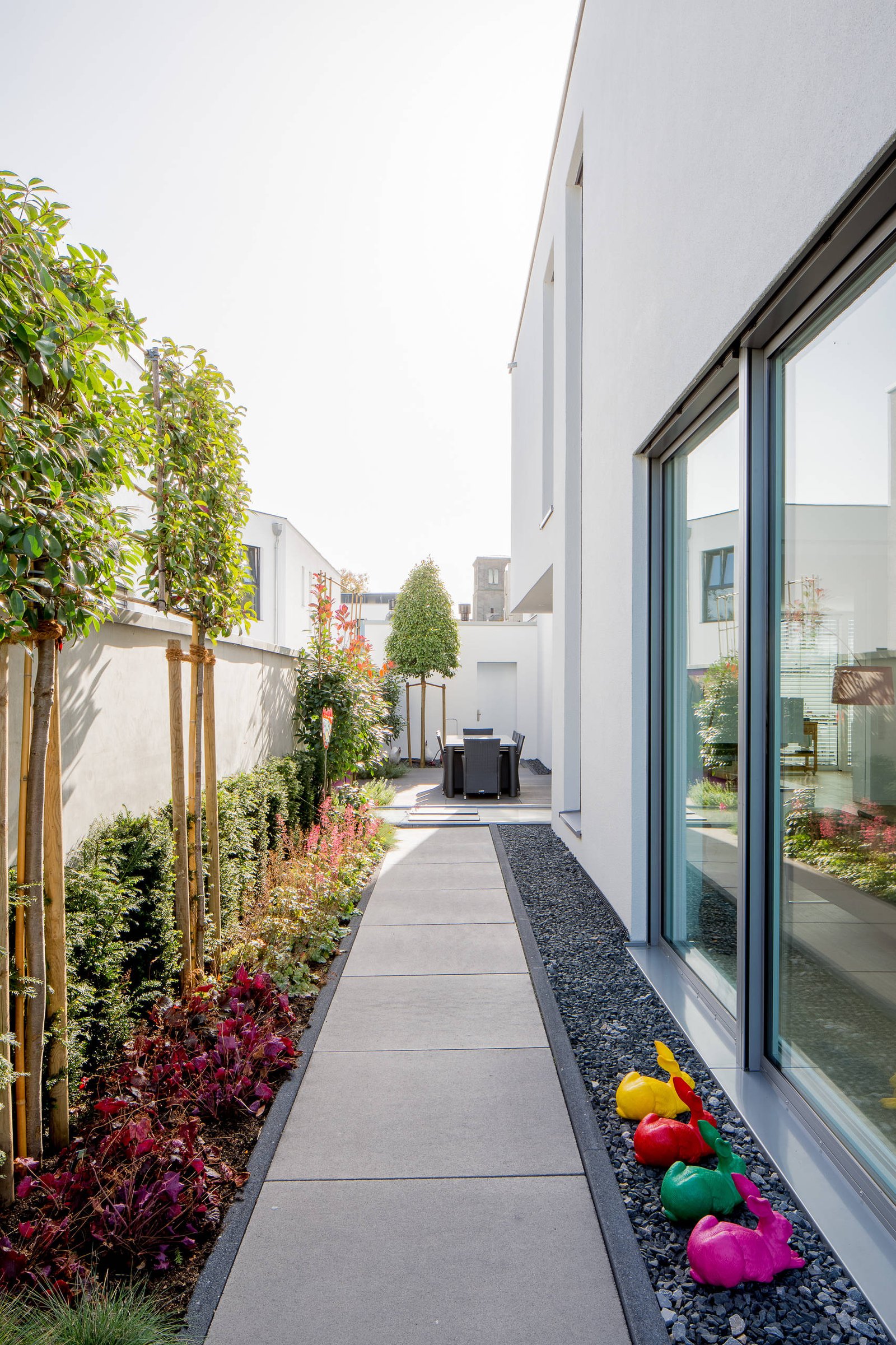
A beautiful garden can become one of the most attractive features of a home. Whether you have a spacious backyard, a small front yard, a courtyard, or a compact patio, thoughtful garden design can turn an ordinary outdoor area into a peaceful and inviting space.
A garden gallery is a creative way to display plants, flowers, decorative objects, outdoor artwork, and landscaping features together. Instead of arranging everything randomly, you can create a visually balanced outdoor space where every corner has a purpose. A garden gallery can include colorful flower beds, vertical plant displays, decorative pots, stone pathways, water features, outdoor sculptures, and comfortable seating areas.
Modern garden gallery designs often combine natural materials with simple layouts. Wooden planters, stone borders, greenery, warm lighting, and carefully selected decorations can create an elegant appearance without making the garden feel crowded.
The best part is that you do not need a professional landscape designer or a large budget to create a beautiful garden gallery. With a little planning, you can use affordable materials and plants that suit your climate and available space.
In this guide, you will discover 20 beautiful garden gallery ideas for modern homes and outdoor spaces, along with practical tips for choosing plants, arranging decorations, organizing small gardens, and maintaining an attractive outdoor environment.
1. Create a Colorful Flower Garden Gallery
A colorful flower garden gallery is a wonderful way to bring life and personality to an outdoor space. Flowers create natural patterns, introduce different textures, and make a garden feel cheerful throughout the growing season.
You can create a flower gallery by arranging different varieties in organized beds, decorative containers, or along a garden pathway. Choose flowers with different heights, shapes, and blooming periods to maintain visual interest.
For example, tall flowering plants can create a background, medium-height flowers can fill the center, and low-growing varieties can form attractive borders.
Ideas for creating a colorful flower display:
- Combine flowers with complementary colors.
- Use different plant heights to create layers.
- Arrange flowers around a garden entrance.
- Add decorative pots beside pathways.
- Choose varieties with different flowering seasons.
A balanced color scheme can make the garden look more organized. You can choose a soft combination of white, pink, and lavender or create a brighter display using yellow, orange, red, and purple flowers.
Remember to select plants according to your local climate, sunlight, and soil conditions.
2. Design a Modern Minimalist Garden Gallery
A minimalist garden gallery focuses on simplicity, clean lines, and carefully selected natural elements. Instead of filling the entire space with decorations, this design uses a limited number of plants and materials to create a calm environment.
Modern minimalist gardens often feature simple pathways, structured planting beds, neutral-colored stones, wooden details, and carefully positioned trees.
You can use a small group of ornamental grasses, evergreen shrubs, or architectural plants to create a neat appearance.
Essential elements of a minimalist garden:
- Simple geometric planting beds.
- Neutral-colored stone or gravel.
- A limited plant selection.
- Clean pathways.
- Minimal outdoor furniture.
- Subtle lighting.
This design works particularly well in contemporary homes and small outdoor spaces. The limited number of elements makes the garden easier to maintain while creating a sophisticated appearance.
3. Build a Vertical Garden Gallery for Small Spaces
A vertical garden gallery is an excellent solution when ground space is limited. Instead of spreading plants across the floor, you can arrange them vertically using wall planters, hanging containers, shelves, or purpose-built plant frames.
Vertical gardens can transform plain walls and fences into attractive green displays.
You can grow herbs, small flowering plants, compact foliage varieties, and other plants suitable for vertical containers.
Ways to create a vertical garden gallery:
- Install wall-mounted planters.
- Use a strong wooden plant shelf.
- Arrange hanging pots at different heights.
- Create a living wall with suitable planting pockets.
- Combine decorative foliage with flowering plants.
Before installing a vertical garden, check the wall’s strength and choose containers with proper drainage. Protect the wall from excessive moisture and make sure every plant receives enough light.
This idea is especially useful for balconies, courtyards, patios, and narrow backyard spaces.
4. Create a Beautiful Garden Pathway Gallery
A garden pathway can become an important decorative feature rather than simply a route through the outdoor space.
Stone stepping paths, brick walkways, gravel paths, and concrete slabs can all create attractive designs. You can arrange plants along the edges to make the pathway feel connected to the rest of the garden.
For a natural appearance, use irregular stepping stones surrounded by low-growing plants or gravel. For a modern garden, choose large rectangular slabs with clean gaps between them.
Pathway decoration ideas:
- Add flowers along both sides.
- Use decorative stones around stepping slabs.
- Install subtle pathway lighting.
- Place small planters near pathway corners.
- Create a curved walkway through a flower bed.
Keep the pathway comfortable and safe to walk on. Use stable materials, maintain an appropriate walking width, and avoid plants that spread into the walking area.
5. Design a Rustic Garden Gallery with Wooden Elements
A rustic garden gallery uses natural materials to create a warm and relaxed outdoor environment. Wood, stone, clay pots, vintage containers, and flowering plants work beautifully together in this style.
You can use wooden benches, reclaimed timber planters, decorative garden signs, and simple wooden shelves to create a welcoming atmosphere.
A rustic design does not need to look perfectly symmetrical. Natural arrangements and slightly irregular planting patterns often make the space feel more charming.
Rustic garden gallery ideas:
- Use wooden raised garden beds.
- Add old-style clay pots.
- Create a small wooden plant shelf.
- Place a rustic bench near flowers.
- Decorate a garden corner with natural stones.
Choose materials that are suitable for outdoor use. Reclaimed wood should have a known history and should not contain harmful chemical treatments.
6. Create a Peaceful Japanese-Inspired Garden Gallery
A Japanese-inspired garden gallery focuses on simplicity, balance, natural materials, and a peaceful atmosphere. It can be created in a small courtyard or a larger backyard.
Typical elements include carefully placed stones, gravel, evergreen plants, ornamental grasses, small trees, and water features.
The arrangement should feel natural rather than overcrowded. Each feature should have enough space to stand out.
Elements to consider:
- Smooth natural stones.
- Gravel or carefully arranged pebbles.
- A small water feature.
- Evergreen shrubs.
- A simple wooden bench.
- A modest stone lantern.
You can create a dry garden using gravel and carefully positioned stones if you do not have space for a water feature.
Avoid adding too many decorative objects. The beauty of this style comes from simplicity and thoughtful placement.
7. Display Decorative Garden Pots in a Gallery Arrangement
Decorative pots provide a simple way to create a garden gallery without changing the entire landscape.
You can arrange containers in groups near an entrance, along a patio wall, around a seating area, or beside a garden pathway.
Use pots of different heights and shapes to create an interesting display. However, choose a limited color palette so the arrangement looks coordinated.
Terracotta, stone-effect, charcoal, and neutral-colored containers are popular choices for modern and natural gardens.
Container arrangement ideas:
- Group three pots of different heights.
- Place matching containers beside an entrance.
- Arrange flowering pots along a patio edge.
- Use tall planters to frame a seating area.
- Combine foliage plants with colorful flowers.
Make sure every container has suitable drainage holes and enough room for healthy root growth. Select plants according to the container’s size and the amount of sunlight available.
8. Build a Garden Gallery Around a Decorative Fountain
A fountain can become the main focal point of a garden gallery. The sound and movement of water add a peaceful atmosphere, while the fountain itself creates an attractive centerpiece.
You can place a small fountain in the middle of a flower garden, near a seating area, or in a decorative courtyard.
Surround it with carefully selected plants, natural stones, and a simple pathway. Avoid placing too many decorations close to the fountain because they can compete with the main feature.
Fountain garden gallery ideas:
- Create a circular flower bed around a fountain.
- Use natural stones near the water feature.
- Add low-growing plants around its base.
- Place a bench nearby for relaxation.
- Install suitable outdoor lighting for evening use.
Choose a fountain that matches the available space. A large fountain may overwhelm a small courtyard, while a small tabletop-style water feature may be difficult to notice in a spacious backyard.
9. Create a Garden Gallery with Outdoor Wall Art
Outdoor wall art can turn a plain garden wall or fence into a decorative feature. It adds personality and creates a visual connection between the home and outdoor space.
You can use weather-resistant metal artwork, suitable outdoor murals, decorative wall panels, or carefully selected garden signs.
For a natural appearance, choose artwork featuring leaves, flowers, birds, or simple botanical patterns.
Wall decoration ideas:
- Install a metal leaf design.
- Create a botanical mural on a suitable wall.
- Hang weather-resistant decorative panels.
- Use a simple outdoor mirror in an appropriate protected location.
- Combine wall art with climbing plants.
Make sure the artwork is designed for outdoor conditions. Secure it properly and avoid materials that may deteriorate quickly when exposed to rain and sunlight.
10. Design a Cottage-Style Garden Gallery
A cottage-style garden gallery is full of natural charm, colorful flowers, and relaxed planting arrangements.
This style often includes mixed flower borders, climbing plants, winding pathways, decorative containers, and simple seating areas.
Instead of arranging every plant in straight rows, combine flowers and foliage in informal groups. Choose plants that bloom at different times so the garden remains interesting throughout the season.
Cottage garden features:
- Colorful flower borders.
- Climbing roses or suitable flowering vines.
- Natural stone pathways.
- Wooden or metal garden benches.
- Decorative clay pots.
- Flowering shrubs.
A cottage-style garden can work in both large and small spaces. In a compact area, use vertical planting and a few carefully selected flower varieties to maintain the same relaxed character.
11. Create a Modern Garden Gallery with Raised Planters
Raised planters provide structure and organization while allowing you to display plants at different heights.
You can use wooden boxes, metal planters, stone structures, or modern concrete-style containers. Arrange them along a wall, beside a pathway, or around an outdoor seating area.
Raised planters are particularly useful for gardens where the ground soil is unsuitable or where you want to separate different planting areas.
Design ideas:
- Create a row of matching raised planters.
- Use rectangular containers for a modern layout.
- Combine ornamental grasses with flowering plants.
- Add herbs near an outdoor kitchen.
- Use tall planters to define a patio boundary.
Choose planters with appropriate depth and drainage. Consider the weight of filled containers, especially when placing them on balconies or raised decks.
12. Design a Garden Gallery with Natural Stone Features
Natural stone can give a garden gallery a timeless and elegant appearance. It works well with modern, rustic, traditional, and cottage-style outdoor designs.
You can use stone borders, stepping stones, decorative rock arrangements, gravel sections, and low retaining walls.
The natural colors and textures of stone provide contrast against green plants and colorful flowers.
Stone garden gallery ideas:
- Create a small stone pathway.
- Add decorative pebbles around planters.
- Build a low stone flower-bed border.
- Arrange large stones near ornamental grasses.
- Use stone features around a water fountain.
Choose stones that suit the scale of the garden. Large rocks can become attractive focal points in spacious gardens, while smaller stones are often more suitable for compact spaces.
13. Build a Garden Gallery with Hanging Plants
Hanging plants create a layered garden display and make use of vertical space. They are particularly useful for patios, balconies, pergolas, and covered outdoor seating areas.
You can hang baskets from suitable hooks, beams, or specially designed plant stands.
Choose plants according to the available sunlight, temperature, and watering conditions. Flowering varieties can add color, while trailing foliage plants create a softer appearance.
Hanging garden ideas:
- Arrange flower baskets along a pergola.
- Hang matching containers near an entrance.
- Use trailing plants on a covered patio.
- Combine different basket sizes.
- Place hanging pots above a small seating area.
Make sure hooks and supports can safely carry the weight of fully watered containers. Water carefully to avoid damaging furniture and outdoor flooring.
14. Create a Tropical Garden Gallery
A tropical-inspired garden gallery uses lush foliage, layered greenery, and bold plant shapes to create an inviting atmosphere.
Large-leaf plants, palms, ornamental grasses, and suitable flowering plants can help create a tropical appearance.
This style works particularly well in warm climates, although plant selection should always match local growing conditions.
Tropical garden gallery features:
- Large-leaf foliage plants.
- Palms suitable for the local climate.
- Layered planting arrangements.
- Natural stone pathways.
- Wooden garden furniture.
- A small water feature.
Place larger plants toward the back and smaller plants toward the front to create depth.
If you live in an area with cold winters, select plants that can tolerate local temperatures or grow sensitive varieties in containers that can be moved to a protected location.
15. Design a Garden Gallery with a Comfortable Seating Corner
A garden gallery becomes more useful when it includes a comfortable place to sit and enjoy the surroundings.
A small seating corner can be created with a wooden bench, outdoor chairs, a compact table, or a simple built-in seat.
Surround the seating area with flowers, decorative pots, and suitable greenery to create a relaxing outdoor retreat.
Seating corner ideas:
- Place a bench beneath a suitable tree.
- Create a small patio with two chairs.
- Add flower planters around the seating area.
- Use outdoor cushions made for exterior conditions.
- Install subtle lighting for evening relaxation.
Keep enough space around the furniture for comfortable movement. Choose weather-resistant materials and store removable cushions when they are not in use.
16. Create a Garden Gallery with Decorative Lighting
Lighting can make a garden gallery attractive after sunset. It highlights plants, pathways, architectural features, and decorative objects.
You can combine solar pathway lights, warm string lights, wall sconces, lanterns, and suitable spotlights to create different lighting zones.
The best results usually come from using lighting selectively rather than illuminating every part of the garden.
Lighting ideas:
- Place solar lights along a garden pathway.
- Highlight a tree with a suitable spotlight.
- Hang string lights above a seating area.
- Add decorative lanterns beside planters.
- Use subtle lights around a water feature.
Choose outdoor-rated fixtures and follow safety instructions, particularly around water and electrical connections. Use timers or motion sensors where appropriate to reduce unnecessary nighttime lighting.
17. Build a Butterfly and Pollinator Garden Gallery
A butterfly and pollinator garden gallery combines beauty with environmental value. It creates a welcoming habitat for butterflies, bees, and other beneficial insects.
You can design the garden using nectar-rich flowers, suitable host plants, flowering herbs, and natural planting areas.
Choose plant varieties that are appropriate for local pollinators and climate conditions.
Useful garden features:
- Flowering plants with accessible nectar.
- Native flowering species.
- A variety of bloom periods.
- A shallow, safe water source where appropriate.
- Areas with shelter and suitable habitat.
- Reduced use of harmful pesticides.
Avoid using bright nighttime lighting throughout the pollinator garden. Many insects are sensitive to artificial light, so keep decorative lighting limited and direct it away from planting areas.
18. Create a Small Courtyard Garden Gallery
A courtyard garden gallery can transform an enclosed outdoor space into a peaceful green retreat.
Courtyards often have walls on several sides, making them suitable for vertical gardens, decorative pots, small trees, and compact seating areas.
Choose plants according to the amount of sunlight reaching the courtyard. Some enclosed spaces receive only a few hours of direct sunlight, while others may be bright throughout the day.
Courtyard design ideas:
- Add a central decorative planter.
- Install a vertical garden on one wall.
- Use a small stone or brick pathway.
- Place a compact bench in a quiet corner.
- Add a small fountain if space allows.
- Use matching containers for a coordinated look.
Good drainage and airflow are important in enclosed spaces. Avoid overcrowding plants, and choose materials that can withstand moisture.
19. Create a Garden Gallery with Recycled and DIY Decorations
A DIY garden gallery allows you to add personality without spending a lot of money.
You can use suitable reclaimed materials to create planters, decorative stands, simple garden signs, and other outdoor features.
For example, old clay pots can be repainted with outdoor-safe finishes, while clean wooden crates can be converted into decorative plant displays.
Affordable DIY garden decoration ideas:
- Turn suitable wooden crates into plant stands.
- Reuse clean containers as decorative planters.
- Create simple painted garden signs.
- Make a pebble border around a flower bed.
- Build a small plant shelf from suitable timber.
- Decorate a seating corner with handmade accessories.
Always check the safety of reused materials. Avoid containers that previously held chemicals or other hazardous substances, and make sure painted or treated surfaces are suitable for outdoor use.
20. Create a Seasonal Garden Gallery
A seasonal garden gallery changes its appearance throughout the year. Instead of relying on one permanent flower display, you can introduce plants and decorations that suit different seasons.
This approach keeps the garden visually interesting and gives you opportunities to try new combinations.
For example, spring can feature fresh flowers and young foliage, while summer can include colorful flowering plants and lush greenery. Autumn can introduce warm colors and decorative containers, while winter can focus on evergreen plants and simple structural features.
Seasonal display ideas:
- Plant spring-flowering bulbs where suitable.
- Use summer flowers in decorative containers.
- Add autumn-colored plants and natural decorations.
- Display evergreen shrubs during colder months.
- Change removable pots and accessories throughout the year.
Choose plants according to your local climate rather than following a seasonal planting schedule designed for a different region.
How to Plan a Beautiful Garden Gallery at Home
Creating an attractive garden gallery becomes easier when you plan the space before buying plants and decorations.
Step 1: Understand Your Available Space
Start by measuring the garden or outdoor area you want to decorate.
Identify the location of pathways, walls, gates, seating areas, and existing plants. Notice which areas receive sunlight and which remain shaded.
A simple layout drawing can help you decide where to place different features.
Step 2: Choose a Garden Style
Select a style that complements your home and personal preferences.
Popular options include:
- Modern minimalist.
- Rustic farmhouse.
- Cottage garden.
- Japanese-inspired.
- Tropical.
- Natural woodland.
- Contemporary courtyard.
You can combine elements from different styles, but try to maintain a consistent appearance.
Step 3: Select a Color Scheme
A coordinated color scheme helps make the garden look more organized.
For a peaceful appearance, use green foliage with white, lavender, and soft pink flowers.
For a bright and cheerful garden, combine yellow, orange, red, and purple flowering plants.
You can also use neutral materials such as gray stone, natural wood, and terracotta containers to balance strong flower colors.
Step 4: Arrange Plants in Layers
Plant layering creates depth and makes the garden easier to view.
Use taller plants toward the back, medium-height plants in the middle, and low-growing plants near the front.
In island beds that can be viewed from every direction, taller plants can be positioned toward the center.
Always consider the mature height and width of each plant rather than arranging them only according to their size at purchase.
Step 5: Add Decorative Features
Once the planting layout is planned, introduce a few decorative elements.
These might include a bench, fountain, stone pathway, outdoor artwork, lanterns, or decorative pots.
Avoid adding too many objects. A few well-chosen features usually create a more attractive gallery than a crowded collection.
Step 6: Plan Lighting and Maintenance
Consider how the garden will look and function after sunset.
Add suitable lighting to pathways, entrances, seating areas, and selected focal points.
Also plan how you will water, prune, clean, and maintain the space. A beautiful design should be practical enough to care for regularly.
Best Plants for a Beautiful Garden Gallery
Choosing suitable plants is essential for creating a healthy and attractive outdoor display.
Flowering Plants
Flowering plants add color and seasonal interest.
Depending on local climate and growing conditions, suitable choices may include:
- Marigolds.
- Petunias.
- Zinnias.
- Geraniums.
- Roses.
- Lavender.
- Cosmos.
- Seasonal flowering bulbs.
Check each variety’s sunlight, watering, and temperature requirements before planting.
Foliage Plants
Foliage plants provide structure and greenery even when flowering plants are not in bloom.
Examples include:
- Ferns.
- Hostas.
- Ornamental grasses.
- Suitable evergreen shrubs.
- Decorative foliage varieties.
Choose foliage plants that match the available light and local climate.
Climbing Plants
Climbing plants can decorate fences, pergolas, trellises, and garden walls.
Depending on the growing environment, options may include suitable climbing roses, jasmine, flowering vines, and other locally appropriate varieties.
Provide strong support and enough room for mature growth.
Small Trees and Shrubs
Small trees and shrubs add height and structure to a garden gallery.
They can also provide shade, privacy, and attractive focal points.
Choose varieties that fit the available space and will not interfere with buildings, underground services, or pathways as they mature.
Garden Gallery Ideas for Different Home Sizes
Not every home has the same amount of outdoor space. The best garden gallery should fit your property and daily needs.
Small Homes and Compact Backyards
For a small backyard, focus on vertical displays, decorative pots, compact seating, and a simple pathway.
Choose plants that remain manageable and avoid large structures that occupy too much floor space.
Large Homes and Spacious Gardens
A larger garden can include several decorative zones.
You might create a flower gallery, a seating corner, a water feature, and a separate vegetable garden.
Use pathways and consistent materials to connect the different sections.
Homes with Narrow Side Gardens
Narrow side gardens can become attractive with wall planters, slim raised beds, climbing plants, and simple pathway lighting.
Keep the walking area clear and use vertical space wherever possible.
Homes with Courtyards
Courtyards are ideal for decorative pots, small trees, vertical gardens, and compact water features.
Select plants according to the amount of light and ventilation available.
Common Garden Gallery Design Mistakes to Avoid
A garden gallery should look attractive while remaining easy to use and maintain. Avoid these common mistakes when planning your outdoor space.
1. Adding Too Many Decorations
Too many decorative objects can make the garden look cluttered.
Choose a few focal features and allow plants and open space to balance the arrangement.
2. Ignoring Plant Size
Small plants may eventually become large shrubs or trees.
Check their mature size before planting and leave enough room for healthy growth.
3. Choosing Plants Without Checking Sunlight
A plant that requires full sun may struggle in a shaded courtyard.
Observe the sunlight in your garden and select plants according to the conditions.
4. Using Too Many Different Materials
Combining many colors, textures, and materials can make the garden feel disorganized.
Choose a small group of materials, such as wood, stone, and metal, and use them consistently.
5. Forgetting Drainage
Poor drainage can damage plants and create standing water.
Make sure containers, raised beds, and pathways are designed to manage excess water properly.
6. Creating Difficult Pathways
A beautiful pathway is not useful if it is too narrow, uneven, or slippery.
Use stable materials and maintain comfortable access throughout the garden.
7. Ignoring Maintenance Requirements
Some plants require regular pruning, watering, or seasonal care.
Choose plants that match the amount of time you can realistically spend maintaining the garden.
Frequently Asked Questions About Garden Gallery Design
1. What is a garden gallery?
A garden gallery is a thoughtfully arranged outdoor display that combines plants, flowers, decorative features, pathways, and other landscaping elements. It can be designed in a small courtyard, backyard, front garden, or spacious outdoor area.
2. How can I create a beautiful garden gallery at home?
Start by choosing a garden style and measuring your available space. Arrange plants in layers, select a coordinated color scheme, and add a few decorative features such as planters, pathways, seating, or lighting.
3. What are the best garden gallery ideas for small spaces?
Vertical gardens, hanging plants, compact flower beds, decorative containers, wall art, and small seating corners are useful choices for limited spaces.
4. How can I make my garden look modern?
Use clean pathways, simple planting beds, neutral-colored materials, structured greenery, and minimalist outdoor furniture. Avoid overcrowding the space with unnecessary decorations.
5. Which flowers are best for a colorful garden gallery?
Marigolds, petunias, zinnias, roses, geraniums, and cosmos can provide attractive colors in suitable climates. Select varieties according to local weather, sunlight, and growing conditions.
6. Can I create a garden gallery on a small budget?
Yes. Start with affordable plants, simple containers, safe recycled materials, and a few DIY decorations. You can improve the design gradually rather than purchasing everything at once.
7. How do I decorate a garden wall?
You can use weather-resistant wall art, vertical planters, hanging pots, climbing plants, or suitable decorative panels. Make sure the wall can support the installation and that water does not collect behind the decorations.
8. What materials are best for garden gallery decoration?
Wood, natural stone, brick, metal, clay, and outdoor-rated composite materials are common choices. Select materials that suit your climate, garden style, and maintenance requirements.
9. How can I make my garden attractive at night?
Use subtle pathway lighting, warm string lights, decorative lanterns, and suitable spotlights around selected trees or garden features. Keep brightness balanced and use outdoor-rated fixtures.
10. How do I keep my garden gallery organized?
Choose a consistent style, group plants by their requirements, maintain clear pathways, and limit the number of decorative objects. Regular pruning and cleaning also help keep the space attractive.
11. Can I combine a vegetable garden with decorative landscaping?
Yes. Raised vegetable beds, herb planters, decorative borders, and climbing supports can be incorporated into an attractive garden layout. Choose a sunny location for vegetables and keep decorative features from blocking essential light.
12. How often should I update my garden gallery?
There is no fixed schedule. You can refresh seasonal flowers, replace damaged decorations, prune plants, and adjust container arrangements whenever needed. A seasonal review is a useful way to keep the garden looking fresh.
Final Thoughts
A beautiful garden gallery can make your home more welcoming and provide a peaceful place to relax, enjoy nature, and spend time outdoors. Whether you prefer colorful flower displays, modern minimalist landscaping, rustic wooden decorations, or a peaceful Japanese-inspired garden, there are many ways to create an outdoor space that reflects your personal style.
Start with a clear layout, choose plants that suit your climate, and use a consistent combination of natural materials and decorative features. Add pathways, seating, lighting, and planters only where they improve the appearance or function of the garden.
You do not need a large backyard or an expensive landscaping project to create something beautiful. Even a small patio or courtyard can become an attractive garden gallery with thoughtful plant selection and careful arrangement.
With regular care and a little creativity, your garden can become a beautiful extension of your home that you can enjoy throughout the year.