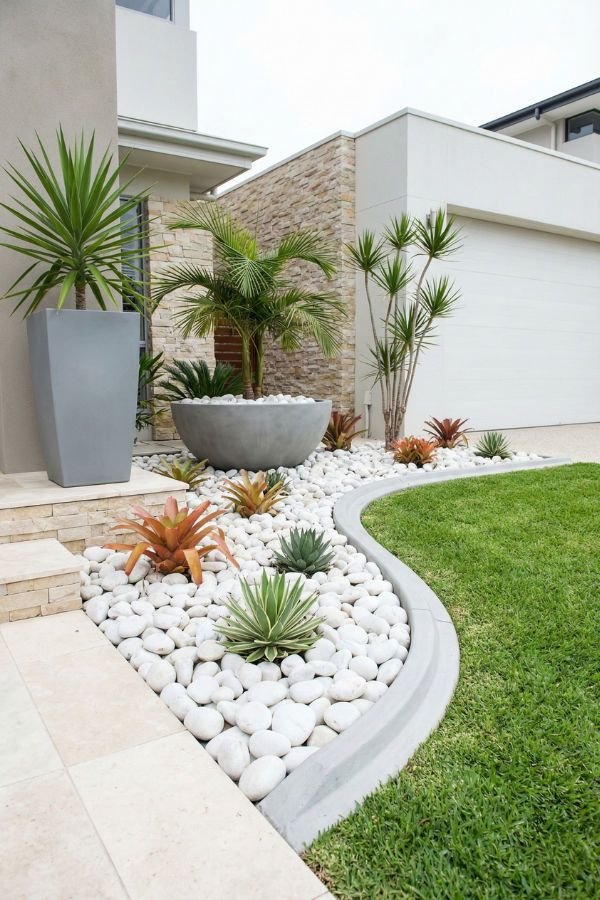
A beautiful front yard garden can make your home look more welcoming, attractive, and well-maintained. However, keeping an outdoor space looking beautiful does not have to involve hours of watering, pruning, weeding, and cleaning every week. With the right plants, landscaping materials, and garden layout, you can create an attractive front yard that requires relatively little maintenance.
Low-maintenance landscaping is especially useful for busy homeowners who want to enjoy a beautiful outdoor space without spending too much time caring for it. Instead of choosing plants that need constant attention, focus on hardy shrubs, drought-tolerant flowers, evergreen greenery, decorative stones, and practical garden arrangements.
A well-planned low-maintenance front yard can also reduce water consumption, limit unnecessary gardening work, and keep your home’s entrance looking organized throughout the year.
Whether you have a small front garden, a large lawn, or a narrow entrance area, there are many ways to create a beautiful landscape with less effort.
In this guide, you will discover 18 low-maintenance front yard garden ideas for busy homeowners, along with practical planting suggestions and useful tips for keeping your outdoor space attractive.
1. Create a Decorative Gravel Garden
A decorative gravel garden is one of the easiest ways to reduce routine front yard maintenance. Instead of covering every available area with grass or seasonal flowers, use decorative gravel as a ground covering around selected plants.
Begin by choosing a section near your entrance, driveway, or front windows. Remove existing weeds and prepare the ground. Install appropriate landscape fabric where useful, making sure water can drain properly.
Spread gravel evenly across the prepared area and add a few decorative plants to create visual interest.
Dwarf junipers, suitable succulents, ornamental grasses, and compact evergreen shrubs can work well in gravel gardens.
Choose gravel in a color that complements your house. White, gray, beige, and natural brown stones are popular choices.
Why this idea works:
- Reduces the amount of lawn that needs mowing.
- Creates a clean and organized appearance.
- Works with many modern landscaping styles.
- Can be combined with drought-tolerant plants.
- Requires relatively little routine attention.
Maintenance tip: Remove fallen leaves and occasional weeds regularly. Gravel gardens are not completely maintenance-free, but they can reduce many common gardening tasks.
2. Plant Evergreen Shrubs for Year-Round Greenery
Evergreen shrubs are excellent for homeowners who want a front yard that remains attractive throughout the year.
Unlike many seasonal flowers, evergreen plants maintain their foliage during different seasons. This provides consistent color and structure without requiring frequent replacement.
Suitable choices may include dwarf juniper, compact boxwood, certain hollies, and locally adapted evergreen shrubs.
Plant them along the front of your house, beside the entrance, or around a walkway.
For a neat appearance, repeat the same shrub variety in several locations. This creates visual consistency and makes the garden easier to manage.
Before planting, check the mature height and width of each shrub to prevent overcrowding.
Why this idea works:
- Provides greenery throughout the year.
- Reduces the need for seasonal flower replacement.
- Creates natural borders around the house.
- Works in both small and large front yards.
- Requires less frequent pruning when suitable compact varieties are selected.
Maintenance tip: Water new shrubs while they establish and prune them according to their specific growth requirements.
3. Design a Front Yard with Drought-Tolerant Plants
Drought-tolerant plants are a practical option for homeowners who want to reduce frequent watering.
These plants are adapted to growing in conditions where water may be limited. Many have specialized leaves, roots, or growth habits that help them manage dry periods.
Depending on your climate, suitable options may include lavender, rosemary, sedum, certain ornamental grasses, and locally adapted succulents.
Create a planting bed near the entrance or along the driveway. Arrange plants according to their mature size and water requirements.
Use gravel or organic mulch to cover exposed soil and improve the overall appearance.
Remember that drought-tolerant does not mean that plants never need water. Newly planted varieties still require appropriate watering while their roots develop.
Why this idea works:
- Helps reduce long-term watering requirements.
- Offers different leaf shapes and textures.
- Can create an attractive natural landscape.
- Works well in sunny front yards.
- Can be combined with decorative stones.
Maintenance tip: Choose plants suited to your actual soil and climate rather than selecting varieties only because they are labeled drought-tolerant.
4. Replace Part of Your Lawn with Decorative Stones
Large lawns can require regular mowing, edging, watering, and seasonal care.
If you want to reduce these tasks, consider replacing part of the lawn with decorative stone landscaping.
You do not need to remove the entire grassy area. Start with sections near the house, driveway, or garden borders.
Create a defined planting bed using natural stones, decorative gravel, and a few hardy plants.
For example, combine compact shrubs with ornamental grasses and small flowering plants.
You can also create a decorative stone border around an existing tree.
This approach reduces the area that needs regular mowing while keeping some green space in your front yard.
Why this idea works:
- Reduces lawn maintenance.
- Creates attractive landscape features.
- Helps organize different garden sections.
- Works well with modern homes.
- Allows you to use hardy decorative plants.
Maintenance tip: Install proper edging to keep stones in place and prevent grass from spreading into the decorative areas.
5. Use Low-Growing Ground Cover Plants
Ground cover plants can create a beautiful green surface while reducing the need to maintain traditional lawn grass in suitable locations.
These plants spread across the soil and cover empty areas, helping reduce exposed soil and limiting opportunities for some weeds to establish.
Depending on the local climate and growing conditions, options may include creeping thyme, certain sedums, mondo grass, and other suitable spreading plants.
Use ground covers around stepping stones, beneath selected shrubs, or along the edges of planting beds.
Choose varieties that match the amount of sunlight and moisture available.
Some ground covers tolerate light foot traffic, while others are easily damaged. Check their intended use before planting them beside frequently used pathways.
Why this idea works:
- Covers empty planting spaces.
- Adds natural greenery.
- Can reduce the need for traditional lawn care.
- Creates a softer appearance around stones.
- Works in different garden styles.
Maintenance tip: Choose a ground cover appropriate for the planting location and control its spread before it reaches unwanted areas.
6. Create a Simple Rock Garden
A rock garden is a practical option for homeowners who prefer natural landscaping with fewer complicated planting arrangements.
Start by selecting an area that receives suitable sunlight and has good drainage.
Arrange several natural rocks of different sizes to create a balanced composition. Position larger stones first and use smaller rocks to fill the surrounding spaces.
Add a few hardy ornamental plants between the rocks.
Suitable choices may include drought-tolerant succulents, compact grasses, creeping ground covers, and locally adapted small shrubs.
Avoid placing too many plants or decorations in the same area. The natural stone arrangement should remain the main feature.
Why this idea works:
- Reduces the need for large flower beds.
- Creates an attractive natural appearance.
- Can work in sunny or sloped areas with suitable plants.
- Requires relatively little trimming.
- Combines well with modern and traditional homes.
Maintenance tip: Remove weeds early and check drainage to prevent water from collecting around plant roots.
7. Install Large Planters with Hardy Plants
Large decorative planters are a convenient way to create an attractive entrance without installing complicated flower beds.
Place one or two large containers beside the front door, near porch steps, or along the walkway.
Choose containers made from durable materials such as concrete, ceramic, or weather-resistant resin.
Fill them with hardy evergreen shrubs, ornamental grasses, or other plants suitable for container growing.
You can also use seasonal flowers if you enjoy changing the appearance of your entrance occasionally.
Select containers with drainage holes and use an appropriate potting mixture.
Larger containers often retain moisture longer than very small pots, although watering requirements still depend on the plant and weather.
Why this idea works:
- Requires little ground preparation.
- Creates an attractive focal point.
- Makes it easy to change garden arrangements.
- Works well in small front yards.
- Allows you to control the planting soil.
Maintenance tip: Choose plants that do not require frequent trimming and check containers regularly for drainage problems.
8. Plant Ornamental Grasses Along Your Walkway
Ornamental grasses are an excellent choice for homeowners who want an attractive garden with relatively simple care.
They add texture, movement, and height without requiring the same attention as many flowering plants.
Popular options include blue fescue, fountain grass, feather reed grass, and other climate-appropriate varieties.
Plant them in small groups along your front walkway or inside a decorative border.
For a balanced design, combine different heights and textures while maintaining enough space between plants.
Some ornamental grasses remain attractive through much of the year, while others need seasonal cutting back.
Why this idea works:
- Adds natural movement to the garden.
- Provides texture throughout the growing season.
- Can reduce the need for colorful seasonal flowers.
- Works with decorative stones and modern pathways.
- Many varieties require relatively little pruning.
Maintenance tip: Remove dead foliage when appropriate and divide overcrowded clumps according to the plant’s growth requirements.
9. Create a Low-Maintenance Garden with Mulch
Mulch is a useful material for improving the appearance and maintenance of front yard planting beds.
It covers exposed soil, helps conserve moisture, and can reduce weed growth when applied correctly.
Choose organic mulch such as shredded bark, wood chips, or suitable composted materials.
Spread it around shrubs, trees, and flowering plants while keeping it away from plant stems and tree trunks.
For a coordinated appearance, use the same mulch throughout several planting areas.
You can combine dark mulch with green shrubs and colorful flowers to create a beautiful contrast.
Why this idea works:
- Helps conserve soil moisture.
- Reduces some weed growth.
- Makes planting beds look organized.
- Can improve soil as organic materials decompose.
- Provides a consistent garden appearance.
Maintenance tip: Check mulch depth periodically and replace or refresh it as necessary. Avoid piling it against trunks or stems.
10. Design a Small Front Yard with Compact Shrubs
Compact shrubs are useful for creating a neat front garden without allowing plants to take over the available space.
Choose varieties that naturally remain small or grow slowly.
Dwarf juniper, compact boxwood, small evergreen shrubs, and suitable flowering shrubs can be attractive options.
Plant them in a simple arrangement near the house or along the walkway.
For an organized appearance, repeat the same variety rather than choosing many unrelated shrubs.
Leave enough room between plants so they can reach their mature size without becoming overcrowded.
Why this idea works:
- Creates a structured landscape.
- Reduces frequent trimming when compact varieties are selected.
- Works well in narrow planting areas.
- Provides long-lasting greenery.
- Can complement modern and traditional homes.
Maintenance tip: Research the mature size of every shrub before purchasing it.
11. Build a Raised Garden Bed with Perennial Plants
Perennial plants return for multiple growing seasons, making them useful for reducing the need to replace flowers every year.
A raised garden bed filled with suitable perennials can create a beautiful front yard while keeping the planting area organized.
Construct the bed using bricks, natural stones, concrete blocks, or durable timber.
Choose perennial plants that suit your climate and soil conditions. Depending on the region, options may include salvia, daylilies, coneflowers, lavender, and ornamental grasses.
Arrange taller varieties toward the back and smaller plants toward the front.
Although perennials return over multiple seasons, they still need appropriate watering, occasional division, and seasonal care.
Why this idea works:
- Reduces repeated annual planting.
- Creates a defined garden space.
- Allows you to combine different flowering periods.
- Makes planting arrangements easier to manage.
- Can provide long-lasting seasonal interest.
Maintenance tip: Select plants with similar growing requirements and remove dead foliage when necessary.
12. Create a Minimalist Garden with Three Main Plant Varieties
A minimalist garden can be one of the easiest landscaping styles to maintain.
The idea is to use only a few plant varieties and repeat them throughout the front yard.
For example, choose one evergreen shrub, one ornamental grass, and one low-growing ground cover.
Arrange them in simple groups along the entrance or inside a decorative gravel bed.
Use consistent borders and neutral landscaping materials to create a coordinated appearance.
Avoid adding too many decorative accessories or complicated planting patterns.
This design works especially well for modern homes with clean architectural lines.
Why this idea works:
- Simplifies plant selection.
- Creates a coordinated appearance.
- Makes garden care easier to organize.
- Reduces visual clutter.
- Works in both small and medium-sized yards.
Maintenance tip: Choose plants with compatible sunlight and watering requirements.
13. Add a Low-Maintenance Garden Border Around Your House
A narrow garden border can improve your home’s exterior without requiring a large landscaping project.
Create a planting area along the front wall using compact shrubs, evergreen plants, and suitable ground covers.
Choose varieties that do not require frequent pruning and will not grow too large for the available space.
Use mulch or decorative gravel to cover the soil between plants.
Keep the border away from vents, access points, and areas where water needs to drain.
Avoid placing plants directly against exterior walls.
Why this idea works:
- Makes exterior walls look more attractive.
- Creates a defined landscape.
- Uses relatively little planting space.
- Can be maintained with simple gardening tasks.
- Provides a natural transition between the house and lawn.
Maintenance tip: Inspect the border regularly to remove weeds and prevent plants from blocking windows or other important features.
14. Use Solar Garden Lights with Simple Planting Beds
Solar garden lights can improve the appearance of your front yard without requiring complicated electrical installation.
Place small solar lights along the walkway, near selected shrubs, or around decorative garden beds.
Combine the lights with a simple planting arrangement containing evergreen greenery, ornamental grasses, and low-growing flowers.
Choose outdoor lights designed to withstand the weather in your area.
Solar lights require adequate sunlight during the day, so avoid positioning them beneath dense trees or covered areas.
Why this idea works:
- Adds evening visibility.
- Highlights important garden features.
- Can reduce dependence on wired lighting.
- Complements simple landscaping designs.
- Requires relatively little installation work.
Maintenance tip: Clean solar panels occasionally and check batteries according to the manufacturer’s recommendations.
15. Replace High-Maintenance Flowers with Hardy Perennials
Some seasonal flowers require frequent watering, deadheading, and replacement.
If you prefer a garden that needs less regular attention, consider using hardy perennials suited to your region.
Plants such as salvia, daylilies, coneflowers, and certain ornamental grasses can provide lasting garden structure.
Select varieties based on local growing conditions and their mature sizes.
Arrange them in groups to create a natural appearance.
You can still add a small number of seasonal flowers when you want extra color, but the main structure of your garden will remain in place.
Why this idea works:
- Reduces annual flower replacement.
- Provides repeated seasonal growth.
- Offers different colors and textures.
- Can attract beneficial pollinators.
- Creates a more established garden appearance.
Maintenance tip: Choose reliable perennial varieties and divide them when they become overcrowded.
16. Create a Low-Maintenance Front Yard Without Grass
A grass-free front yard can be a practical option for homeowners who want to reduce mowing and lawn care.
Instead of traditional grass, combine decorative gravel, natural stones, evergreen shrubs, and drought-tolerant plants.
Create separate sections using simple edging.
A stone pathway can lead toward the entrance, while decorative planting beds add greenery around the house.
Use locally suitable ground covers where you want a softer surface.
Make sure the design provides comfortable access and does not create excessive heat around frequently used areas.
Why this idea works:
- Eliminates regular lawn mowing in converted areas.
- Creates a modern appearance.
- Allows you to use drought-tolerant plants.
- Works well in small front yards.
- Reduces the amount of lawn equipment required.
Maintenance tip: Plan for occasional weed removal, leaf cleaning, and plant care even in a grass-free garden.
17. Plant Slow-Growing Trees as Garden Focal Points
A suitable slow-growing ornamental tree can create a beautiful front yard without requiring constant trimming.
Choose a tree that fits your available space and has a manageable mature size.
Depending on your region, suitable options may include certain Japanese maple varieties, compact crape myrtles, and small ornamental trees.
Plant the tree in a location where its mature canopy will not block pathways, windows, driveways, or overhead cables.
Surround the base with a simple mulch bed and a few compatible low-growing plants.
Avoid overcrowding the area around the trunk.
Why this idea works:
- Creates a natural focal point.
- Adds height and visual interest.
- Can provide shade as it matures.
- Reduces the need for many smaller decorative features.
- Works with several landscaping styles.
Maintenance tip: Choose a tree with the right mature size and avoid varieties that require frequent shaping.
18. Combine Decorative Stones with Evergreen Ground Covers
Combining decorative stones with evergreen ground covers creates an attractive front yard that stays green without requiring a large lawn.
Select a planting area beside your entrance or along a garden border.
Arrange small groups of suitable evergreen ground covers and fill the surrounding spaces with decorative gravel or natural stones.
This combination creates contrast between different textures while keeping the overall design simple.
Choose ground covers that match your soil, sunlight, and moisture conditions.
Some varieties spread quickly, so check their growth habits before planting.
Why this idea works:
- Combines natural greenery with decorative materials.
- Reduces exposed soil.
- Can limit the amount of grass requiring maintenance.
- Creates an attractive year-round planting area.
- Works in modern and natural-style gardens.
Maintenance tip: Keep spreading plants within their intended area and remove unwanted weeds before they become established.
How to Choose the Best Low-Maintenance Plants
Choosing the right plants is the most important part of creating a low-maintenance front yard.
A plant that thrives in your local conditions generally requires less intervention than one struggling with unsuitable soil, sunlight, or weather.
Choose Native and Locally Adapted Plants
Native plants are often a practical choice because they are naturally suited to the local environment.
They may be better adapted to regional rainfall, temperature changes, and soil conditions.
Research plants commonly grown in your area or ask a local nursery for recommendations.
Consider Mature Plant Size
Compact and slow-growing varieties can reduce trimming requirements.
Before buying a plant, check how tall and wide it will become.
This helps prevent overcrowding and avoids the need to remove plants later.
Group Plants According to Water Needs
Plants that need similar amounts of water should generally be placed together.
This makes irrigation easier and reduces the risk of overwatering some plants while underwatering others.
Select Plants According to Sunlight
Observe how much direct sunlight different areas of your front yard receive.
Choose sun-loving plants for exposed areas and shade-tolerant varieties for covered or shaded locations.
Prioritize Long-Lasting Greenery
Evergreen shrubs and suitable perennial plants can provide a permanent garden structure.
They reduce the need to replace large numbers of seasonal flowers every year.
Practical Ways to Reduce Front Yard Garden Maintenance
Good landscaping choices make a difference, but a few simple habits can also reduce gardening work.
Install Drip Irrigation
Drip irrigation delivers water close to plant roots and can reduce water waste compared with poorly directed watering.
It is particularly useful for flower beds, shrubs, and rows of plants.
Choose an appropriate system and check it periodically for leaks or blocked emitters.
Apply Mulch Correctly
Mulch helps retain soil moisture and suppress weeds.
Spread it evenly around plants while leaving space around stems and tree trunks.
Refresh organic mulch as it decomposes.
Use Proper Garden Edging
Edging separates lawns, pathways, gravel, and planting beds.
It helps keep different landscape materials in their intended areas and reduces repeated cleanup work.
Avoid Overcrowding
Overcrowded gardens can become difficult to maintain.
Give every plant enough space to grow and receive sunlight and airflow.
Choose Quality Plants
Healthy plants that are suitable for your region generally establish more successfully.
Inspect plants before purchasing and avoid varieties with visible damage or unhealthy roots.
Common Mistakes to Avoid in Low-Maintenance Landscaping
Low-maintenance landscaping does not mean that you can ignore the garden completely. Some design choices can actually increase the amount of work required later.
Choosing Plants Only for Their Appearance
A beautiful plant may not be suitable for your local climate or soil.
Research its growing requirements before purchasing it.
Using Too Many Small Pots
Many small containers can require frequent watering and create additional cleaning work.
A few larger containers with suitable plants may be easier to manage.
Selecting Fast-Growing Shrubs
Fast-growing shrubs can quickly become too large for small planting areas.
Choose compact varieties whenever possible.
Ignoring Weed Prevention
Leaving large areas of bare soil can encourage weed growth.
Use appropriate mulch, ground covers, or decorative stones to reduce exposed soil.
Forgetting About Drainage
Even drought-tolerant plants can suffer when their roots remain waterlogged.
Prepare planting areas carefully and provide suitable drainage.
Choosing Artificially Complicated Designs
Too many different borders, pathways, plants, and decorative features can increase maintenance.
Keep your layout simple and focus on a few well-chosen elements.
How to Create a Low-Maintenance Front Yard on a Budget
You can create an attractive low-maintenance landscape without purchasing everything at once.
Start with the areas that need the most attention.
If your front lawn requires too much mowing, consider converting one section into a decorative gravel bed.
If your entrance looks empty, add two large planters with hardy evergreen plants.
If your garden contains many weeds, improve the planting beds with suitable mulch and ground covers.
You can also divide established perennial plants to create additional planting groups.
Reuse suitable stones, containers, and existing garden materials whenever possible.
Work on one section at a time instead of trying to transform the entire yard in one weekend.
This approach helps spread the cost and allows you to see how each change affects the overall appearance.
Final Thoughts
A beautiful front yard does not need to demand hours of gardening work every week. With the right landscaping choices, you can create an attractive outdoor space that is easier to manage and suitable for your everyday routine.
Decorative gravel, evergreen shrubs, drought-tolerant plants, ornamental grasses, perennial flowers, and large planters are all useful options for busy homeowners.
The key is to select plants that suit your local climate, choose materials that are easy to maintain, and avoid overcrowding your available space.
Start with a simple garden layout, replace high-maintenance areas gradually, and focus on long-lasting plants that provide year-round structure.
With thoughtful planning and occasional care, your front yard can remain attractive, welcoming, and well-organized without requiring constant attention.