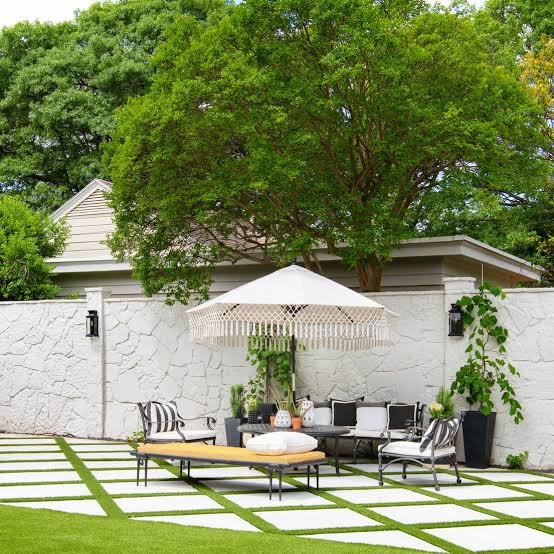
A beautiful front yard flower bed can make a home feel welcoming, attractive, and full of life. Flowers add color, texture, and natural beauty to the entrance, while carefully arranged plants help create a polished outdoor space. Even a small flower bed beside the front door, along a walkway, or near the driveway can make a noticeable difference to the overall appearance of a house.
Front yard flower beds do not need to be complicated or expensive. With the right combination of flowers, greenery, edging, and decorative details, homeowners can create attractive garden spaces that suit different house styles. A simple arrangement of colorful annual flowers may be perfect for a traditional home, while ornamental grasses, evergreen shrubs, and carefully selected perennials can create a more modern look.
The most successful flower beds combine beauty with practical planning. Before choosing plants, consider the amount of sunlight your front yard receives, the type of soil, available space, and how much time you can spend maintaining the garden. Selecting flowers that suit the local climate will help them grow more successfully and remain attractive throughout the season.
Below are 20 front yard flower bed ideas that can transform an ordinary home entrance into a colorful and inviting outdoor space.
1. Curved Flower Beds Along the Front Walkway
Curved flower beds are an attractive way to soften the straight lines of a front walkway. Instead of using a narrow rectangular planting area, create gentle curves along one or both sides of the path. This design makes the entrance feel more natural and gives the garden a relaxed appearance.
<AsyncImage query=”curved colorful flower beds along front walkway residential house landscaping” aspectRatio=”16:9″ />
Plant colorful flowers in groups rather than scattering individual plants throughout the bed. Petunias, marigolds, salvia, and begonias can create a cheerful display, while small evergreen shrubs provide structure between flowering plants.
Choose plants according to their mature size so they do not spread across the walkway. Keep taller flowers toward the back and shorter varieties near the edge. This arrangement creates depth without blocking the path.
Curved flower beds work particularly well in front yards with open lawns. They can also help connect the entrance, driveway, and other landscape features into one coordinated design.
2. Colorful Flower Beds Around the Front Porch
A flower bed around the front porch can make the entrance feel warm and welcoming. Planting flowers near porch steps, railings, and foundation walls adds natural color to areas that might otherwise look plain.
<AsyncImage query=”colorful front porch flower bed garden with pink white and purple flowers” aspectRatio=”16:9″ />
Choose a mixture of flowering plants with different heights. Taller plants can be placed near the porch wall, medium-sized flowers in the middle, and compact varieties along the front edge.
Pink petunias, white alyssum, purple salvia, and seasonal begonias can create a balanced combination. If the porch receives limited sunlight, consider shade-tolerant plants such as impatiens and begonias.
Avoid planting flowers too close to the porch foundation. Leave enough space for maintenance, drainage, and access to the exterior walls.
This design is especially useful for homes with a visible front porch because it creates a natural connection between the house and the garden.
3. White and Green Flower Bed for an Elegant Entrance
A white and green flower bed creates a clean, peaceful, and elegant appearance. Instead of using many bright colors, this design focuses on different shades of green combined with white flowers.
<AsyncImage query=”elegant white flower bed with green shrubs in front of modern house entrance” aspectRatio=”16:9″ />
White roses, white petunias, hydrangeas, and alyssum can provide soft floral color. Add evergreen shrubs, ornamental grasses, and leafy plants to create contrast and structure.
This combination works well with white, gray, beige, and modern neutral-colored houses. It also looks attractive beside stone pathways and dark exterior walls.
To keep the flower bed interesting, use plants with different leaf shapes and heights. Large leaves can provide a background for smaller flowers, while low-growing plants create a neat border.
A white and green garden may require regular removal of faded flowers and damaged leaves to maintain its fresh appearance. However, its simple color palette makes it easier to coordinate with other outdoor decorations.
4. Raised Flower Beds Along the House Foundation
Raised flower beds are a practical option for homeowners who want a defined and organized front yard. They lift flowers slightly above ground level and create a clear boundary between the house and the surrounding landscape.
<AsyncImage query=”raised front yard flower beds along house foundation brick edging colorful flowers” aspectRatio=”16:9″ />
You can build raised beds using natural stone, bricks, concrete blocks, or landscape timber. Choose a material that complements the exterior of your house.
Fill the bed with suitable garden soil and compost, making sure that water can drain properly. Plant compact flowers near the front and taller varieties toward the back.
Geraniums, petunias, marigolds, and compact ornamental grasses are useful options for sunny areas. For partially shaded locations, choose plants that can grow successfully with less direct sunlight.
Raised beds also make planting and maintenance more convenient because the garden area is clearly separated from the lawn. However, avoid piling soil or mulch directly against exterior siding or covering ventilation openings.
5. Pink and Purple Flower Bed for a Soft Garden Look
Pink and purple flowers create a beautiful combination that gives a front yard a gentle and colorful appearance. These shades work well together because they provide contrast without making the garden look overly busy.
<AsyncImage query=”pink and purple flower bed front yard garden landscaping” aspectRatio=”16:9″ />
Use pink petunias, purple salvia, lavender, and other suitable flowering plants to create layers of color. Place taller purple flowers toward the back and shorter pink varieties near the front.
Silver-leaved plants can add another layer of contrast. Lavender, for example, offers attractive foliage and fragrant flowers when grown in suitable conditions.
This combination looks particularly attractive beside light-colored homes, white fences, and stone walkways.
For a more organized appearance, repeat the same colors in several sections instead of using a different arrangement in every corner. Repeating plants helps connect separate flower beds and makes the overall landscape feel more intentional.
6. Flower Beds with Natural Stone Edging
Natural stone edging gives a front yard flower bed a neat and timeless appearance. Stones create a visible border between flowers, grass, and walkways while adding texture to the landscape.
<AsyncImage query=”front yard colorful flower bed with natural stone edging landscaping” aspectRatio=”16:9″ />
Choose stones that complement the exterior materials of your home. Light-colored stones work well with white and beige houses, while darker stones can create contrast beside modern buildings.
Arrange the stones along the edge of the flower bed, keeping their height and spacing consistent. Fill the planting area with suitable soil and add flowers in groups.
Low-growing flowers such as alyssum, petunias, and creeping varieties can soften the edge of the stones. Taller plants can be positioned farther back to create a balanced arrangement.
Natural stone edging is durable and can reduce the amount of grass that grows into the flower bed. It also helps maintain a clear shape, making routine garden maintenance easier.
7. Circular Flower Bed Around a Small Tree
A circular flower bed around a small front yard tree can turn an ordinary tree into an attractive garden feature. The flowers create a colorful border while the tree provides height and natural shade.
<AsyncImage query=”circular flower bed around small front yard tree colorful flowers landscaping” aspectRatio=”16:9″ />
Create a circular planting area around the tree, leaving enough room for the trunk and its roots. Avoid digging deeply or adding excessive soil around the base because this can damage the tree.
Choose flowers that match the amount of sunlight available beneath the tree. Shade-tolerant begonias and impatiens may work in areas with limited sunlight, while suitable sun-loving flowers can be used around trees with open canopies.
Use a low stone or brick border to define the circle. Arrange flowers in repeating groups for a tidy appearance.
The result is a garden feature that adds color without requiring a large amount of yard space. It is particularly useful for homes with a small ornamental tree near the entrance.
8. Low-Growing Flower Bed Along the Driveway
A low-growing flower bed along the driveway adds color without blocking visibility or interfering with vehicle movement. It can make a plain driveway look more connected to the rest of the front yard.
<AsyncImage query=”low growing colorful flower bed along residential driveway landscaping” aspectRatio=”16:9″ />
Choose compact plants that remain within the available planting space. Petunias, alyssum, dwarf marigolds, and suitable ground-cover flowers can work well in sunny locations.
Keep taller shrubs and large plants away from corners where drivers need a clear view. Leave enough distance between the flower bed and the driveway so that vehicle doors, walking areas, and drainage are not affected.
A narrow stone border can help prevent soil and mulch from spreading onto the driveway.
For a coordinated design, repeat the same flower colors near the entrance and along the driveway. This creates a consistent appearance and makes the front yard feel more organized.
9. Cottage-Style Flower Bed with Mixed Blooms
A cottage-style flower bed is ideal for homeowners who enjoy a relaxed garden filled with different colors and textures. Rather than arranging flowers in strict rows, this design uses a natural combination of flowering plants.
<AsyncImage query=”cottage style front yard flower bed mixed colorful flowers traditional house” aspectRatio=”16:9″ />
Combine suitable varieties of roses, daisies, salvia, cosmos, and other flowers that grow well in your climate. Add a few leafy plants to fill gaps and create visual balance.
Plant flowers in small groups and allow some varieties to grow slightly above others. This creates a layered appearance that feels natural rather than overly formal.
A cottage-style bed can look beautiful beside a traditional house, wooden fence, or stone pathway. It is also a good option for homeowners who enjoy changing their seasonal flower combinations.
Although the design appears informal, it still benefits from regular maintenance. Remove weeds, trim damaged stems, and divide overcrowded plants when necessary.
10. Modern Flower Bed with Repeating Plant Groups
A modern front yard flower bed often looks best when it uses a simple planting pattern. Repeating the same flowers or shrubs creates a clean and organized appearance.
<AsyncImage query=”modern minimalist front yard flower bed repeating ornamental grasses and flowers” aspectRatio=”16:9″ />
Choose two or three main plant varieties rather than filling the entire bed with different species. For example, combine compact white flowers, ornamental grasses, and small evergreen shrubs.
Arrange the plants in repeating groups with consistent spacing. Use dark mulch or decorative gravel to create a neat background that makes the foliage stand out.
This design works particularly well with modern houses that have simple exterior lines, neutral colors, and geometric landscaping.
The main advantage of repeating plant groups is that the garden looks coordinated throughout the year. Evergreen plants provide structure when seasonal flowers are not blooming.
11. Front Yard Flower Bed with Wooden Borders
Wooden borders can give a flower bed a warm and natural appearance. They work well with traditional homes, cottages, farmhouse-style houses, and gardens with wooden fences.
<AsyncImage query=”front yard flower bed with wooden garden edging colorful flowers” aspectRatio=”16:9″ />
Use outdoor-rated timber or suitable landscape edging designed for ground contact. Arrange the border around the planting area and secure it properly so it remains in place.
Inside the bed, plant colorful flowers such as marigolds, petunias, zinnias, or other varieties suitable for your climate. Add low-growing greenery along the wooden edge to soften its appearance.
Wooden borders are useful for separating flower beds from lawns and pathways. They also help define irregular planting areas.
Check the wood periodically for damage, rot, or movement. Choosing durable materials and installing them correctly will help the border remain attractive for longer.
12. Flower Bed with Red and Yellow Seasonal Flowers
Red and yellow flowers create a bright and energetic front yard display. These warm colors naturally attract attention and can make the home entrance feel cheerful.
<AsyncImage query=”red and yellow seasonal flowers front yard garden bed landscaping” aspectRatio=”16:9″ />
Marigolds, zinnias, petunias, and other suitable seasonal flowers can be used to create this combination. Choose varieties that have similar sunlight and watering requirements.
Arrange red flowers in larger groups and use yellow flowers to create contrasting sections. You can also add white flowers or green foliage to soften the strong color combination.
This design is especially attractive near the front walkway, porch steps, or driveway entrance.
Seasonal flower beds are useful because they allow homeowners to change the garden’s appearance throughout the year. When one flowering season ends, replace faded plants with varieties suited to the next season.
13. Layered Flower Bed with Different Plant Heights
A layered flower bed uses plants of different heights to create depth and visual interest. It is a useful design for front yards where the garden can be viewed directly from the street.
<AsyncImage query=”layered front yard flower bed tall flowers medium shrubs low ground cover landscaping” aspectRatio=”16:9″ />
Begin by placing taller plants toward the back of the bed. These may include suitable ornamental grasses, flowering shrubs, or taller perennial flowers.
Add medium-height plants in the middle and compact flowers along the front edge. This arrangement allows each group to remain visible without being hidden by larger plants.
Choose a coordinated color palette to prevent the bed from looking crowded. Repeating two or three flower colors can create a balanced appearance.
Layered planting works well along house foundations, fences, and wider front yard borders. It also helps make a shallow garden bed look fuller.
Remember to consider the mature height and spread of every plant. Proper spacing prevents overcrowding and gives each plant enough room to grow.
14. Lavender Flower Bed Near the Front Entrance
Lavender is an attractive choice for homeowners who want a front yard garden with fragrant flowers and silvery-green foliage. Its purple blooms can create a calm and elegant appearance.
<AsyncImage query=”lavender flower bed near front entrance house landscaping” aspectRatio=”16:9″ />
Plant lavender in a sunny location with well-draining soil. It generally performs best when it receives plenty of sunlight and is not kept in constantly wet soil.
Arrange several lavender plants in a line or small groups near the walkway. Add white gravel or natural stone edging to create a clean border.
Lavender can be combined with white flowers, ornamental grasses, and other plants that prefer similar growing conditions.
Avoid placing lavender in a shaded or poorly drained area. Excess moisture around the roots can lead to problems, especially in heavy soil.
When established in a suitable location, lavender can provide attractive foliage and seasonal flowers while giving the entrance a pleasant natural character.
15. Flower Bed with Decorative Gravel and Colorful Blooms
Decorative gravel can make a front yard flower bed look clean and organized. It also provides a useful contrast against colorful flowers and green foliage.
<AsyncImage query=”front yard flower bed decorative gravel colorful flowers modern landscaping” aspectRatio=”16:9″ />
Start by preparing the planting area and improving the soil where flowers will grow. Add decorative gravel around the plants after arranging the planting layout.
Choose flowers that suit the sunlight and drainage conditions. Compact flowering plants, small shrubs, and suitable ornamental grasses can create an attractive combination.
Gravel comes in different sizes and colors. Light gravel can brighten a shaded-looking garden, while darker gravel creates a strong contrast with pale flowers.
Do not spread gravel directly against plant stems or tree trunks. Leave enough space around the base of each plant and make sure water can reach the soil.
This design is particularly useful for homeowners who prefer a tidy garden with clearly defined planting areas.
16. Small Flower Bed Beside the Front Steps
A small flower bed beside the front steps can improve the entrance without requiring a large garden. It is a practical choice for narrow front yards, townhouses, and homes with limited outdoor space.
<AsyncImage query=”small colorful flower bed beside front house entrance steps” aspectRatio=”16:9″ />
Use compact plants that will not spread across the steps or block the entrance. Begonias, petunias, dwarf marigolds, and small flowering perennials can be suitable depending on the available sunlight.
If the space is narrow, arrange plants in a simple row or small cluster. A low border made from bricks or stones can keep the planting area neat.
Choose flowers that complement the front door and exterior color. For example, white flowers can create a fresh appearance beside a dark door, while pink and purple blooms can add softness to a neutral entrance.
Make sure the flower bed does not interfere with walking space, drainage, or access to the steps.
17. Flower Bed with Evergreen Shrubs and Seasonal Flowers
Combining evergreen shrubs with seasonal flowers creates a front yard that remains attractive throughout the year. Evergreen plants provide permanent structure, while seasonal flowers add changing colors.
<AsyncImage query=”front yard flower bed evergreen shrubs with colorful seasonal flowers” aspectRatio=”16:9″ />
Choose compact evergreen shrubs that suit the size of the planting area. Place them toward the back or at regular intervals to create a consistent foundation.
Fill the open spaces with seasonal flowers. Petunias, marigolds, pansies, and other suitable varieties can provide color during different growing seasons.
The combination works well because the shrubs remain visible even when seasonal flowers are removed or replaced.
Avoid planting shrubs too close together. Allow enough space for their mature size so they do not become overcrowded or require constant trimming.
This is a practical design for homeowners who want a flower bed that looks organized without depending entirely on short-lived blooms.
18. Front Yard Flower Bed with White Picket Fence
A white picket fence creates a classic garden appearance, especially when paired with colorful flowers. It can define the front yard while providing an attractive background for the planting area.
<AsyncImage query=”white picket fence with colorful front yard flower bed cottage garden” aspectRatio=”16:9″ />
Plant flowers along the inside of the fence to create a continuous border. Roses, daisies, salvia, petunias, and other suitable flowers can provide a cheerful display.
Use a combination of heights to keep the arrangement interesting. Taller flowering plants can grow near the fence, while low-growing flowers fill the front edge.
A white fence works particularly well with pink, purple, red, and blue flowers. Green shrubs can be added to provide structure between flowering groups.
Keep the plants trimmed so they do not completely cover the fence. A little space between the flowers and the fence also makes maintenance easier.
This idea is especially suitable for cottage-style homes and traditional front yards.
19. Symmetrical Flower Beds on Both Sides of the Entrance
Symmetrical flower beds create a balanced and formal appearance. This design works especially well when a front entrance has a centered door, steps, or walkway.
<AsyncImage query=”symmetrical colorful flower beds on both sides of front house entrance” aspectRatio=”16:9″ />
Create two similar planting areas on either side of the walkway or entrance steps. Use the same flower varieties, colors, and general arrangement to maintain visual balance.
For example, both beds can include small evergreen shrubs at the back, medium-height flowers in the middle, and compact blooms along the front edge.
Symmetry does not mean every plant must be identical in size. However, keeping the overall shapes and color combinations similar will help create a coordinated appearance.
This arrangement looks attractive with traditional homes, modern entrances, and properties with formal landscaping.
If the available space is limited, use two narrow beds with a few carefully selected plants instead of trying to create large planting areas.
20. Mixed Flower Bed with a Small Decorative Garden Feature
A small decorative feature can become the focal point of a front yard flower bed. This might be a simple garden ornament, a small birdbath, a decorative planter, or a modest stone feature.
<AsyncImage query=”front yard mixed colorful flower bed with small decorative garden birdbath” aspectRatio=”16:9″ />
Choose one main feature rather than filling the garden with many ornaments. Place it where it can be seen from the entrance or walkway without obstructing movement.
Surround the feature with flowers of different heights. Low-growing plants can create a border, while medium-height flowers add color around the central decoration.
For a natural look, combine flowering plants with ornamental grasses and evergreen foliage. Keep the colors coordinated so the decorative feature remains the main focal point.
Make sure the feature is stable and suitable for outdoor conditions. If you use a birdbath, clean it regularly and keep the surrounding area free from standing water.
This design allows homeowners to add personality to the front yard while keeping the flower bed attractive and functional.
How to Choose the Right Flowers for a Front Yard Bed
Choosing suitable flowers is one of the most important steps in creating a successful front yard garden. A beautiful design will only remain attractive if the plants can grow well in the available conditions.
Consider Sunlight
Observe how much direct sunlight your front yard receives during the day. Some areas receive full sun, while others remain shaded by the house, trees, or nearby buildings.
- Full-sun areas: Consider suitable varieties of petunias, marigolds, zinnias, and salvia.
- Partially shaded areas: Begonias and some varieties of impatiens may be suitable.
- Shaded areas: Choose shade-tolerant plants that can grow with limited direct sunlight.
Always check the growing requirements of the exact plant variety before purchasing it.
Choose Flowers That Suit Your Climate
Climate affects flowering time, plant growth, and watering needs. A flower that performs well in a cool region may struggle in a hot climate.
Select plants that can tolerate your area’s typical temperatures. In warm regions, look for heat-tolerant varieties and provide suitable watering during dry periods.
For colder regions, choose flowers that can tolerate the local winter conditions or grow seasonal varieties that can be replaced when temperatures change.
Combine Annuals and Perennials
Annual flowers usually complete their life cycle within one growing season, while perennial plants can return for several years under suitable conditions.
Using both types can create a flower bed that changes with the seasons while maintaining a permanent garden structure.
Annual flowers are useful when you want to refresh colors regularly. Perennials are helpful when you prefer plants that can remain in the same location for multiple growing seasons.
Check Mature Plant Size
Do not choose plants based only on how they look in small nursery pots. Check their expected height and spread before planting.
A plant that becomes too large can cover nearby flowers, block walkways, or make the flower bed look crowded.
Leave enough space between plants to allow air circulation and healthy growth.
How to Arrange Flowers for a Beautiful Front Yard
The arrangement of flowers can make a major difference to the appearance of a front yard bed. Even inexpensive plants can look attractive when they are placed carefully.
Use a Layered Planting Layout
Place taller plants at the back, medium-height flowers in the center, and low-growing varieties along the front edge.
This layout works well for flower beds beside house walls, fences, and other boundaries.
For beds that can be viewed from every direction, place taller plants near the center and shorter plants around the outer edge.
Repeat Flower Colors
Repeating the same colors in different parts of the garden creates a more coordinated appearance.
For example, pink flowers can be repeated near the porch, walkway, and driveway. White flowers can be used to connect colorful sections and create visual balance.
Avoid using too many unrelated colors in one small planting area.
Mix Different Textures
Flowers are only one part of an attractive garden. Leaves, grasses, shrubs, and ground-cover plants also contribute to the overall design.
Combine broad leaves with fine grasses, compact shrubs, and delicate flowers to create a more interesting planting arrangement.
Leave Enough Growing Space
Newly planted flowers may look small, but they will grow over time. Leaving enough space between them helps prevent overcrowding.
Proper spacing also allows sunlight and air to reach the plants, reducing the risk of certain plant diseases.
Best Materials for Flower Bed Borders
A clear border helps define a flower bed and keeps the planting area separate from the lawn or walkway.
Brick Edging
Brick edging creates a traditional and organized appearance. It works well with many house styles and can be arranged in straight or curved patterns.
Natural Stone
Natural stone adds texture and gives the garden a timeless appearance. It is particularly suitable for homes with stone pathways, retaining walls, or natural landscaping.
Concrete Edging
Concrete borders are available in different shapes and finishes. They can create a neat appearance and are useful for gardens with simple geometric layouts.
Wooden Edging
Wood creates a warm and natural look. Choose durable outdoor materials and inspect them regularly for signs of deterioration.
Metal Edging
Metal edging provides a slim, modern boundary. It is useful when you want to separate a flower bed from grass without creating a thick visible border.
Choose edging based on the garden’s overall style, available budget, and the amount of maintenance you are willing to perform.
How to Prepare a Front Yard Flower Bed
Good preparation helps flowers establish healthy roots and grow successfully.
1. Select the Planting Area
Choose a location that is visible from the street or entrance and provides suitable sunlight for the plants you want to grow.
Avoid areas where water regularly collects after rain. Poor drainage can damage roots and reduce plant growth.
2. Remove Weeds and Unwanted Grass
Clear the planting area before adding flowers. Remove weeds and grass roots so they do not compete with new plants for water and nutrients.
If the bed is beside a lawn, install a suitable border to make future maintenance easier.
3. Improve the Soil
Loosen the soil and add suitable compost or organic matter when needed. This can improve soil structure and provide nutrients for plant growth.
If you are unsure about the soil condition, consider testing it before making major adjustments.
4. Arrange Plants Before Planting
Place nursery pots on the ground according to your planned layout. Step back and look at the arrangement from different angles.
Move plants around until the colors, heights, and spacing look balanced.
5. Plant at the Correct Depth
Follow the planting instructions for each flower variety. Most plants should be placed at approximately the same depth as they were growing in their nursery containers.
Avoid burying stems or leaving roots exposed.
6. Water the New Plants
Water newly planted flowers thoroughly to help settle the soil around their roots.
Afterward, follow the watering needs of each variety rather than using the same schedule for every plant.
Common Mistakes to Avoid in Front Yard Flower Beds
A flower bed can lose its beauty when plants are selected or arranged without considering their growing needs.
Planting Flowers Too Closely
Overcrowding makes it difficult for plants to receive enough sunlight and airflow. It can also create competition for water and nutrients.
Always check the recommended spacing before planting.
Choosing Flowers Without Checking Sunlight
A sun-loving flower may struggle in a shaded area, while a shade-tolerant plant may become stressed under strong direct sunlight.
Observe the planting area before purchasing flowers.
Using Too Many Different Colors
A large number of unrelated colors can make a small flower bed look untidy.
Choose a simple color scheme and repeat the same shades throughout the garden.
Ignoring Drainage
Poor drainage can cause roots to remain wet for long periods. This may lead to root damage and other growing problems.
Improve the planting area’s drainage before installing flowers.
Forgetting About Mature Plant Size
Large shrubs and spreading flowers can quickly outgrow a small bed.
Choose varieties that fit the available space and leave room for future growth.
Blocking the Entrance or Walkway
Flowers should improve the entrance, not make it difficult to use.
Keep paths, steps, doors, and driveway visibility clear when planning the planting arrangement.
How to Maintain Front Yard Flower Beds
Regular maintenance helps keep flower beds colorful and healthy throughout the growing season.
Water According to Plant Needs
Different flowers require different amounts of water. Some prefer consistently moist soil, while others grow better when the soil dries slightly between watering sessions.
Check the soil before watering instead of relying only on a fixed schedule.
Water near the base of the plants when possible. This helps deliver moisture to the roots and keeps foliage drier.
Remove Faded Flowers
Deadheading means removing faded flowers from plants that benefit from this practice.
It can improve the appearance of the garden and encourage continued flowering in certain varieties.
However, not every plant needs deadheading, so check the requirements of each species.
Control Weeds
Remove weeds before they become established. They compete with flowers for water, nutrients, and space.
A layer of suitable mulch can help reduce weed growth and improve the appearance of the planting area.
Trim Plants When Necessary
Remove damaged stems and trim plants according to their growth habits.
Avoid cutting plants too heavily without checking their pruning requirements. Some flowers bloom on new growth, while others produce flowers on older stems.
Replace Seasonal Flowers
When annual flowers finish their growing season, remove them and prepare the bed for new plants.
You can change the color scheme according to the season while keeping permanent shrubs and perennials in place.
Inspect the Garden Regularly
Look for yellow leaves, damaged stems, pests, and signs of plant disease.
Early attention can prevent small problems from affecting the entire flower bed.
Budget-Friendly Ways to Create Beautiful Flower Beds
A colorful front yard does not require a large landscaping budget. Careful plant selection and simple materials can create an attractive result.
Start with a Small Planting Area
Instead of transforming the entire front yard at once, begin with one flower bed near the entrance.
Once the plants become established, you can gradually add more planting areas.
Use Smaller Plants
Small nursery plants are often less expensive than mature specimens. With proper care, many will grow and fill the available space over time.
Divide Suitable Perennials
Some perennial plants can be divided when they become established. This allows you to create additional planting groups without purchasing entirely new plants.
Only divide varieties that respond well to this method, and do so during an appropriate growing period.
Reuse Suitable Garden Materials
Old bricks, natural stones, and suitable timber may be reused as flower bed borders.
Make sure reused materials are safe, durable, and appropriate for outdoor use.
Grow Flowers from Seeds
Some annual flowers can be grown from seeds at a lower cost than purchasing mature plants.
Follow the seed packet instructions for sowing depth, spacing, and growing conditions.
Choose Plants That Return
Perennials and suitable evergreen plants can provide long-term value because they do not need to be replaced every season.
Combine them with a smaller number of annual flowers for seasonal color.
Frequently Asked Questions
What are the best flowers for front yard flower beds?
The best flowers depend on your climate, soil, and sunlight conditions. Petunias, marigolds, salvia, zinnias, begonias, and suitable perennial flowers are popular choices. Select varieties that can grow successfully in your local environment.
How do I make a front yard flower bed look fuller?
Use plants with different heights and textures. Place taller plants toward the back, medium-height flowers in the middle, and compact varieties along the front edge. Allow enough space for plants to reach their mature size.
Are raised flower beds good for front yards?
Yes. Raised flower beds can create clear planting areas, improve organization, and make some gardening tasks easier. They are especially useful when the existing soil is poor or the ground is difficult to work with. Proper drainage and suitable construction materials are important.
What colors look best in a front yard flower bed?
Pink and purple, white and green, red and yellow, and blue and white are attractive combinations. The best choice depends on the exterior colors of your home and the overall garden style.
How deep should a front yard flower bed be?
The required depth depends on the plants being grown and the existing soil. Many ordinary flowering plants can grow in a prepared garden bed with adequate rooting depth, while larger shrubs and deep-rooted plants may require more space. Check the needs of the selected varieties before preparing the bed.
How can I keep flower beds low-maintenance?
Choose plants suited to your climate and sunlight conditions. Use suitable mulch, install clear edging, select appropriate perennials, and avoid overcrowding. Group plants with similar watering requirements to make maintenance easier.
Should flower beds be placed directly against the house?
Flower beds can be placed near the house, but they should be designed carefully. Maintain proper drainage, avoid piling soil or mulch against siding, and keep required ventilation openings clear. Leave enough access for exterior maintenance.
Can I create a flower bed in a small front yard?
Yes. A small flower bed beside the entrance, along the walkway, or near the porch can add plenty of color. Use compact flowers, narrow borders, and a limited color palette to keep the area organized.
Final Thoughts
Front yard flower beds are a simple way to add color, character, and natural beauty to a home’s entrance. Whether you prefer curved planting areas, raised beds, cottage-style flowers, or modern arrangements with repeating plant groups, the right design can make your outdoor space more welcoming.
Start by considering your available space, sunlight, soil, and local climate. Choose flowers that suit these conditions, arrange them with different heights and textures, and use suitable borders to keep the planting area organized.
With thoughtful planning and regular care, even a small flower bed can become an attractive feature that improves the appearance of your entire front yard.